

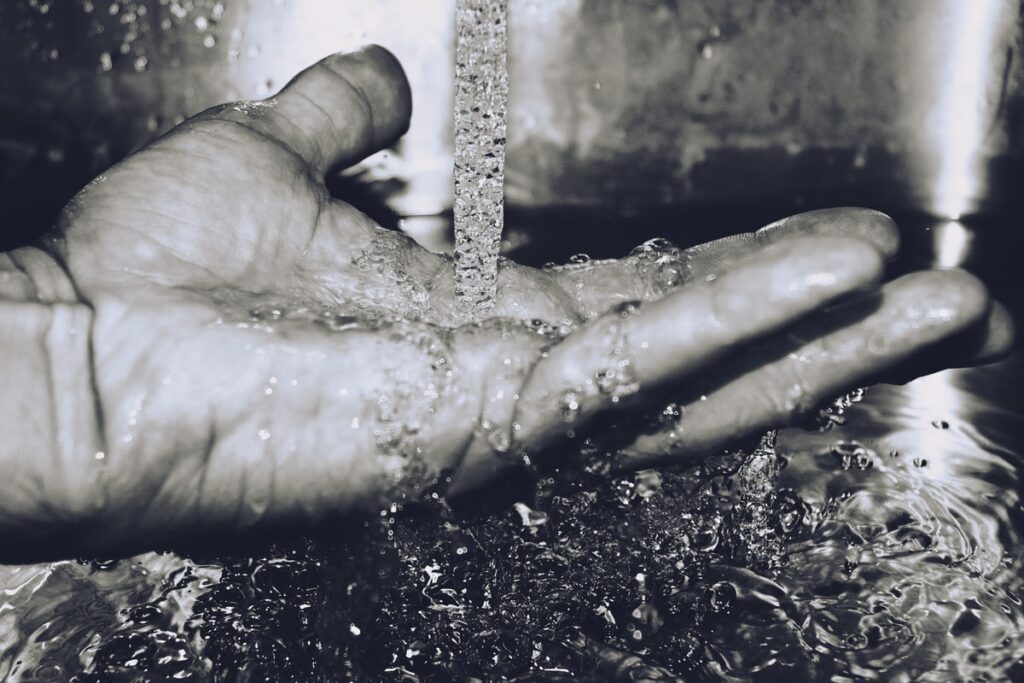
Water is more than mere sustenance in the sacred texts; it is a multifaceted symbol woven throughout the fabric of the Bible. Its representation ranges from the literal to the metaphorical, encapsulating themes of purity, life, spiritual renewal, and divine guidance. The recurrent imagery of water provides profound insights into the human condition and our intricate relationship with the divine. This exploration delves deeply into the symbolic meanings of water within biblical narratives, allowing us to appreciate its unique appeal.
At its core, water signifies life itself—a sustaining force essential for survival. In the very act of creation, as described in Genesis, the world emerges from chaotic waters: “The Spirit of God was hovering over the waters” (Genesis 1:2). This juxtaposition of primordial chaos with the spirit’s hovering presence conjures the image of birth and possibility. The waters of creation not only give rise to life but also suggest a divine order emerging from disorder, establishing a sacred connection between the material world and the Creator.
The symbolism of water takes a transformative turn in its association with the concepts of purification and baptism. Water is a purging element, illustrating a ritualistic cleansing of sins and moral impurities. John the Baptist’s use of water for the baptism of repentance profoundly underscores this notion. It serves as a powerful metaphor for spiritual rebirth—a reclamation of one’s innocence and a fresh start on the path toward righteousness. In Matthew 3:11, John emphasizes, “I indeed baptize you with water unto repentance: but he that comes after me is mightier than I.” The water here signifies not only a physical cleansing but an invitation into a more profound understanding of spiritual awakening.
Moreover, the motif of water woven intricately throughout scripture often conveys a sense of divine sustenance. The Israelites’ journey through the wilderness exemplifies this starkly. In the desolation of the desert, God provides water from a seemingly inconsequential rock (Exodus 17:1-7), demonstrating His unwavering commitment to nourish and sustain His people—even amidst their doubt and despair. This miraculous provision illustrates the notion that divine support is abundant, just as water flows freely from natural springs. It reminds us of God’s ability to meet our needs, even in the barren places of our lives.
In a more abstract sense, water serves as a metaphor for the all-encompassing grace of God. The wellspring of life flowing from the throne of God (Revelation 22:1) is depicted as both a literal river and a spiritual reality. This river represents the continuous outpouring of divine favor and mercy, inviting all to partake in its refreshing waters. The imagery resonates deeply, for just as earthly water quenches physical thirst, so too does the divine flow satiate the spiritual hunger inherent within every individual. It beckons us toward a profound relationship with the divine—one characterized by trust, reliance, and intimate communion.
Furthermore, the Bible also explores the tumultuous nature of water, which reflects humanity’s internal struggles and the external forces of chaos. The mighty waters in Psalm 46:1-3 provide a vivid reminder that life can be unpredictable and fraught with turmoil. “Though its waters roar and be troubled, though the mountains shake with the swelling thereof.” Here, water evokes images of fear, upheaval, and uncertainty. Yet, amid this cacophony, the Psalmist affirms God as a refuge, helping us to navigate our trials and tribulations. This duality—water as both life-giving and potentially destructive—encapsulates the human experience, highlighting our vulnerability and need for divine intervention during life’s tempests.
The New Testament further accentuates water’s significance through the narrative of Jesus, who articulates his mission in striking terms. In John 4:14, He exclaims, “But whoever drinks of the water that I will give him will never thirst again.” This profound declaration introduces a new paradigm: the spiritual water He offers transcends the physical realm, quenching a thirst that extends beyond the body’s needs. Jesus transforms water into a representation of eternal life, grace, and the fulfillment found in Him alone. Such imagery not only captivates the mind but also pierces the soul, inviting all to partake in the invigorating essence of His presence.
To further emphasize this theme of fulfillment, consider the role of water in the metaphors of the living water and the flow of the Spirit. The Holy Spirit is sometimes illustrated as water, flowing gently but powerfully into the hearts of believers. This idea is vividly captured in John 7:38-39, where Jesus proclaims that those who believe in Him will have rivers of living water flow from their hearts. The photographs of this flowing water are redolent with promise, imbuing the hearts of believers with vitality, purpose, and passion to enact change in the world. It illustrates how, flowing through the followers of Christ, divine inspiration can ignite transformation and foster reconciliation within communities.
In summation, water operates on multiple levels as a potent symbol in the Bible, reflecting the complexity of human existence and our quest for meaning. From the act of creation to the cleansing waters of baptism, and from the tumultuous seas of life’s trials to the refreshing springs of grace, water embodies a rich tapestry of spiritual significance. The unique appeal of this symbolism lies in its capacity to resonate deeply within the human experience, inspiring profound reflection and connection to the divine. Just as both chaos and order intermingle, so too does water remind us of the sacred intertwining of life, faith, and the enduring promise of divine providence.

