

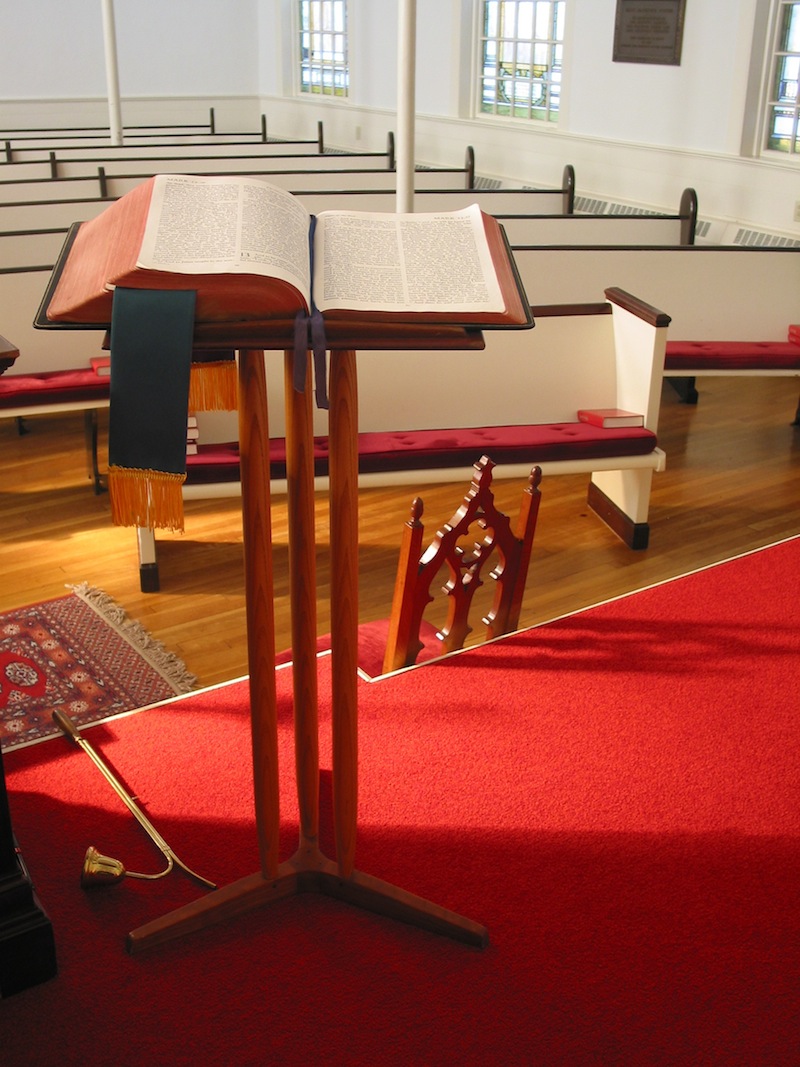
In the realm of Christianity, the term “Bible Church” evokes a multitude of interpretations and implications. These churches, often characterized by their unwavering commitment to Scripture, provide a distinctive approach to faith that resonates deeply with many individuals. This examination delves into what constitutes a Bible Church, encompassing its origins, foundational beliefs, and the compelling reasons behind its growing prominence in contemporary society.
The roots of the Bible Church movement can be traced back to the Reformation, where the emphasis on sola scriptura—notion that Scripture alone is the ultimate authority in matters of faith—laid the groundwork. The Reformation ignited a fervent desire to return to the original texts of the Bible, stripping away centuries of tradition and doctrinal embellishment. This drive for authenticity and direct engagement with Scripture catalyzed the formation of various congregations that rejected the hierarchical structures of mainstream denominations. Consequently, the concept of the Bible Church emerged as a response, championing biblical fidelity over cultural conformity.
At its core, a Bible Church prioritizes a commitment to the teachings of the Bible. They typically emphasize a literal interpretation of Scripture and a dedication to preaching its unadulterated message. This adherence fosters a community that not only values the biblical text but actively engages with it, sparking personal reflections and collective discussions. As one ventures into the fellowship of a Bible Church, the atmosphere often resonates with an earnest pursuit of truth, where the teachings of the Bible are interwoven into the very fabric of the congregation’s identity.
Distinctively, Bible Churches often eschew traditional liturgical practices, gravitating instead towards a more casual and accessible worship environment. This approach encourages congregants to experience faith on a personal level, forging connections that are authentic and impactful. The format of worship may vary dramatically—from contemporary music that captivates the spirit to theological discourses that challenge the intellect. This diversity in expression reflects the dynamic essence of a Bible Church, where the mainstay remains the unwavering pursuit of biblical knowledge and understanding.
Another pivotal aspect of Bible Churches is their distinct ecclesiology. Most Bible Churches operate with congregational governance, allowing the church body to engage in decision-making processes. This model not only promotes a sense of ownership among members but also fosters an intimate community structure that emphasizes accountability and discipleship. The collective input shape the direction of the church, thereby cultivating an environment intimately linked to the individual believer’s experience and growth.
In the contemporary landscape, the appeal of Bible Churches can be attributed to societal shifts that have prompted a search for authenticity and substance. In an era marked by skepticism and disillusionment, many individuals gravitate towards communities that prioritize transparency and honesty in their spiritual pursuits. The Bible Church model encourages personal inquiry and reflective spiritual practices. This contrasts with the often perfunctory nature of more traditional worship experiences, where forms may overshadow the essence of faith.
Moreover, the Bible Church’s emphasis on the inerrancy of Scripture resonates profoundly with those seeking certainty in a world fraught with ambiguity. By anchoring their beliefs and practices in an immutable text, congregants find solace and stability. This inherent quest for truth often permeates every aspect of a Bible Church, nurturing an environment where inquiry is encouraged and theological discussions thrive.
One cannot overlook the community aspect fostered within Bible Churches. The relational dynamic cultivated among members functions as a reinforcing mechanism for personal faith journeys. Through small groups, Bible studies, and communal gatherings, congregants share experiences, explore Scripture together, and encourage one another in their spiritual growth. This sense of belonging is significant, providing individuals with a support system that transcends merely attending services. As the congregation navigates the complexities of life, they draw strength from one another, enhancing both their spiritual and interpersonal development.
While some may critique the simplicity of the Bible Church approach, arguing that it overlooks tradition and sacramental elements crucial to the Christian experience, adherents champion its straightforward commitment to biblical teachings. The minimalist worship style, where emphasis is placed on the Word over rituals, reflects a conscientious decision to focus on what many believe is the essence of Christian faith: an intimate relationship with God cultivated through Scriptural engagement.
Furthermore, the global proliferation of Bible Churches indicates a burgeoning interest in this form of Christian expression. As societies become increasingly fragmented, the Bible Church offers a welcoming environment for those searching for genuine connections. The ability to engage with scripture and practical teachings in a communal setting fosters an atmosphere of growth and empowerment, appealing to both seasoned believers and seekers alike.
In conclusion, the Bible Church phenomenon epitomizes a transformative movement within Christianity, drawing on a rich heritage while addressing contemporary spiritual needs. These churches signify more than mere gatherings—they represent a collective movement towards authentic faith, earnest inquiry, and community engagement. As society continues to grapple with existential dilemmas, the enduring allure of the Bible Church prevails, providing answers, community, and a clearer understanding of spiritual truths.

