

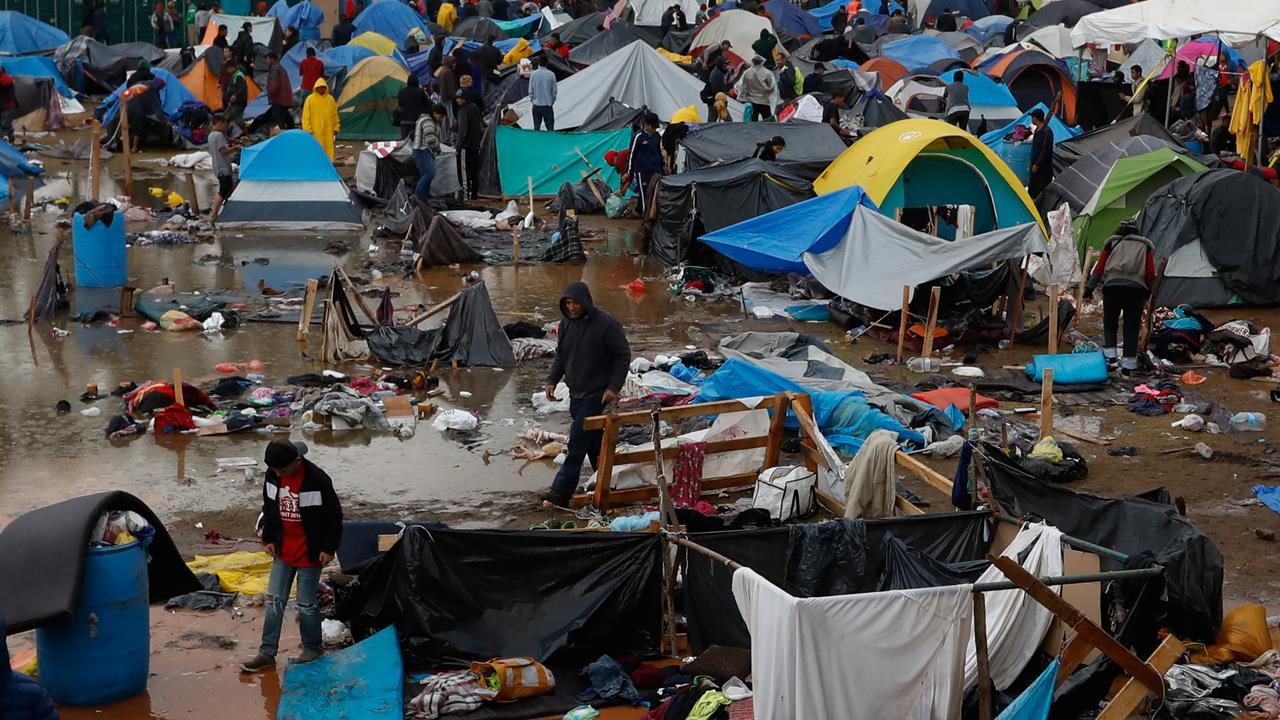
Throughout history, the pages of the Bible have served as a compass for billions of souls, guiding them through ethical dilemmas, cultural crises, and existential queries. Amongst these pages lies a profound discourse on the treatment of outsiders, strangers, and, notably, illegal immigrants. This narrative traverses a deep well of spiritual wisdom and humanity, inviting contemplation on our values and the moral fabric of our society.
The Biblical notion of hospitality is often illustrated through the concept of the “stranger.” In the Book of Exodus, the Israelites are enjoined to treat the stranger with the utmost respect and kindness, as they too were once strangers in a foreign land. Exodus 22:21 exhorts, “You shall not wrong a stranger or oppress him, for you were strangers in the land of Egypt; I am the Lord your God.” Here, we witness a metaphorical thread weaving through the texts—our past hardships ought to inform our treatment of those who now find themselves in vulnerable positions.
This biblical admonition can be likened to the practice of planting seeds in fertile soil. Humanity reaps what is sown; when we cultivate kindness and compassion, the fruits of understanding and unity bear tangible rewards. In the lens of scripture, the prohibition against oppression serves as a stark reminder of our collective history. The exhortation to remember one’s own struggles alongside those foreign to us illuminates a deeply ingrained moral imperative: to offer solace and refuge to those seeking safety and belonging.
An integral part of the biblical discourse about how to treat immigrants is encapsulated in the concept of “loving thy neighbor.” The parable of the Good Samaritan (Luke 10:25-37) epitomizes this principle, presenting a narrative where a Samaritan aids a wounded traveler. The Samaritan does not inquire about the man’s legal status or place of residence; his compassion transcends barriers. This tale serves not merely as an instructive moral anecdote but as a clarion call for action—the divine mandate to aid others, irrespective of their origins.
Delving deeper, both the Old and New Testaments underscore the importance of social justice. Leviticus 19:34 articulates this beautifully, stating, “The stranger who resides with you shall be to you as one of your citizens; you shall love him as yourself, for you were strangers in the land of Egypt: I am the Lord your God.” Such imperatives reflect a vision of community where inclusivity reigns supreme. It challenges systematic inequities and resonates with the moral responsibility of collective stewardship.
Yet, just as a river may branch into streams, the conversation surrounding illegal immigrants is often fraught with diverging thoughts. Some view immigration through a lens of legality, armed with laws designed to regulate and, in some cases, isolate. The complexity of modern immigration systems often leads to the alienation of those who have crossed borders seeking refuge—a stark contrast to biblical prompts urging empathy. The idea of “laws” becomes akin to a towering wall; towering, yet uncompromisingly rigid, devoid of the warmth of love that scripture advocates.
Here, one must question—should laws ignore the underlying human narratives or minimize the inherent dignity of individuals seeking better lives? The Bible does not shy away from advocating mercy—frequently stressing that mercy triumphs over judgment (James 2:13). Might we endeavor to embody this principle? To view illegal immigration through the lens of kindness and understanding rather than fear and judgement may unlock the transformative essence that scripture calls us to embody.
Furthermore, the theme of redemption permeates biblical texts, encapsulating the idea that all individuals possess the potential for renewal and grace. Narratives of tax collectors, sinners, and the lost proffer a rich tapestry reflecting the belief that everyone, regardless of their past, is deserving of compassion and hope. This paradigm suggests that when we view immigrants, particularly those living without security, as infinitely redeemable, we align ourselves closer to the teachings of Christ.
Despite the challenges we face in society regarding illegal immigration, the Bible continuously calls us towards a more profound understanding of human dignity. An enlightening passage from Matthew 25:35 states, “For I was hungry, and you gave me food, I was thirsty, and you gave me drink, I was a stranger, and you welcomed me.” It intimates that our mettle as human beings is assessed by our capacity to embrace those who find themselves marginalized. The values of mercifulness, compassion, and acceptance knit together the fabric of this moral injunction.
Moreover, the act of welcoming the stranger transcends simply legal interpretations; it calls for the cultivation of empathy. Empathy acts as a bridge, one that connects disparate experiences and fosters understanding. In recognizing the fears, dreams, and aspirations that immigrants carry, we can build communities fortified by mutual respect rather than division. We become, in essence, partakers in the divine narrative of humanity.
As we thread the needle through the teachings found in scripture, it is critical to remember that each life carries an intrinsic value that surpasses the mere labels of legality and documentation. Each immigrant embodies a million hopes—hopes for prosperity, safety, and family which cannot be dismissed lightly.
In this era of division and discord, may we lean into the teachings of the Bible, allowing them to guide our actions and frame our relationships with those on the margins. The clarion call remains clear: let us not merely dismiss or judge, but rather embrace our collective calling to foster a world defined by love, understanding, and compassion. Each act of kindness serves as a seed, woven into the very fabric of our communities—a testament to a life lived in the spirit of hospitality that scripture urges us to embody.

