

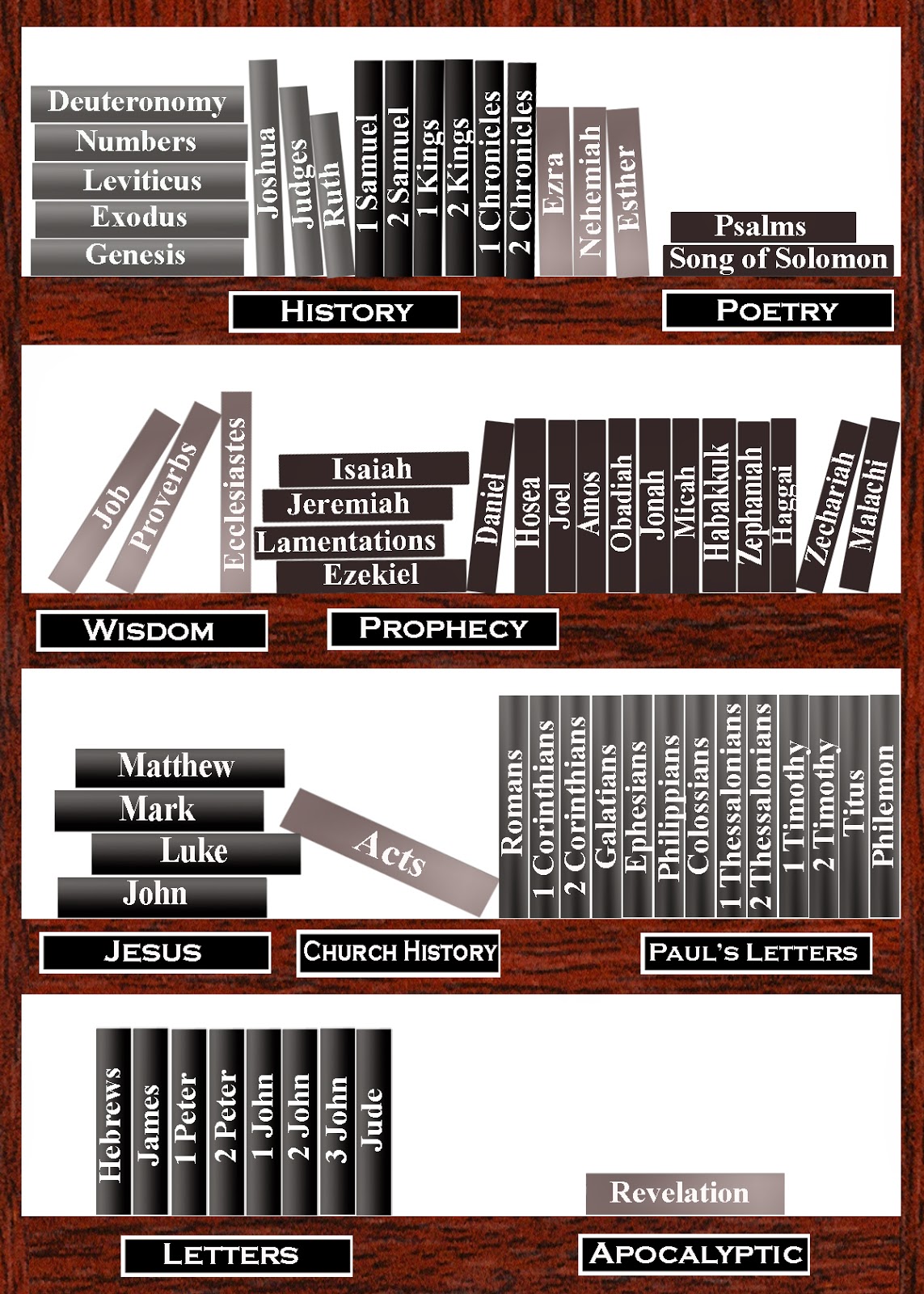
What genre is the Bible? This seemingly innocuous question belies a labyrinthine complexity, one that invites scholars, theologians, and laypersons alike to ponder the very nature of this ancient text. The Bible is not merely a singular narrative; rather, it embodies a cornucopia of literary forms, each contributing to the tapestry of its divine message. So, are you prepared to traverse this multifaceted world and uncover the varied genres encapsulated within its pages?
To commence this journey, it’s essential to understand that the Bible is an anthology—a collection of writings inspired through a myriad of contexts and periods. From historical narratives to poetic verses, prophetic discourses to epistolary communications, the Bible refuses to be confined to a singular genre. Instead, it poses a challenge: can a text truly embody multiple genres yet maintain a cohesive spiritual message?
The historical narrative genre is perhaps the most approachable entry point. Books such as Genesis and Exodus offer rich recountings of the Israelites’ origins and their tumultuous journey through the wilderness. These narratives are steeped in cultural significance, inviting readers to explore not just the events described but also the sociological and theological implications they carry. Each story serves a dual purpose—unfolding the annals of history while simultaneously imparting moral and spiritual lessons.
Next, consider the poetic genre—an integral component in understanding the Bible’s beauty. The Psalms are a testament to the human experience, expressing joy, sorrow, gratitude, and despair. Such works employ metaphor and simile to convey emotions that resonate across centuries. How does one square the rigorous realities of living with the transcendental yearnings expressed in these poems? This intersection invites deep reflection and personal introspection.
Moving forward, the prophetic genre adds another layer of complexity. The writings of Isaiah, Jeremiah, and Ezekiel, for instance, extend beyond mere foretelling of events; they invite readers to engage in ethical reflection and societal critique. The challenge here is significant: how does one reconcile the inexorable call to faith with the demands of societal justice? Prophetic texts compel believers to confront their own lives and the world around them, urging an active response to divine revelation.
Let us not forget the epistolary genre, found predominantly in the New Testament. These letters, penned by apostles such as Paul, serve as crucial conduits of theological discourse. The debates on faith, grace, and community dynamics encapsulated in Romans and Corinthians elucidate the early Church’s struggles and triumphs. How relevant are these missives to contemporary faith practices? This question acts as a portal into the ongoing dialogue between ancient wisdom and modern values.
There exists yet another drastic genre: that of apocalyptic literature. The Book of Revelation stands as a harbinger of profound symbolism and vivid imagery, articulating a cosmic battle between good and evil. It raises existential questions about hope, judgment, and redemption. The enigmatic nature of this genre poses a unique challenge: can the mysteries of the cosmos be understood through human interpretation? This beckons readers to grapple with themes that transcend the text, reaching into the realms of philosophy and eschatology.
In summarizing the diverse genres within the Bible, it becomes apparent that the challenge lies not merely in identifying one’s place within these narratives, poetic verses, or epistles but in engaging with them. What is your genre of faith? How does each literary form not only reflect a societal context but also inform contemporary living? As we delve into the labyrinth of biblical literature, we are continuously confronted with transformative questions—each prompting us to delve deeper into a multifaceted faith journey.

