

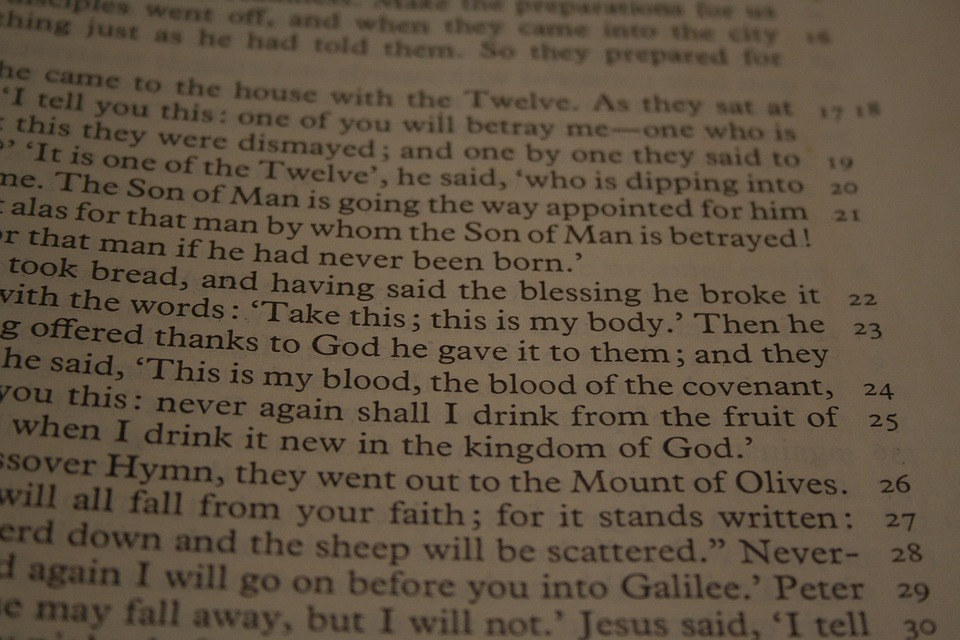
When one walks into a church or picks up a Bible, they may encounter the term “passage” frequently. But what exactly does this mean? At its core, a passage in the Bible refers to a specific portion of text, which can vary in length from a few verses to an entire chapter. It’s a segment that holds the capacity to convey deep spiritual wisdom, historical context, and moral guidance. But are these passages mere words on a page, or do they invite us to engage with the divine in a much more profound manner? This question leads us to delve deeper into the nature of biblical passages.
First off, let’s consider the structure of these passages. They typically consist of verses—numbered lines that lead readers through a narrative, teaching, or poetic expression. The most famous passages, like the “23rd Psalm,” exemplify the beauty and simplicity found in these verses. Each verse often stands alone but can also act as a part of a broader whole. In essence, a passage can be likened to a mini-story within the grand narrative of the Bible, offering snippets of wisdom for contemplation.
Now, why select one passage over another? This is an interesting challenge. Each passage may resonate differently depending on a person’s life circumstances, spiritual journey, or even emotional state. For a seeker confronted with loss, a passage about comfort may hold a wellspring of solace. Conversely, an individual in search of direction might find clarity in biblical passages regarding guidance and purpose. The interpretive nature of these texts poses an intriguing question: how do we choose the passages that speak to our lives? The challenge lies in the exploration of one’s own experiences and discerning what resonates with the heart.
The beauty of biblical passages also lies in their historical and cultural significance. Each passage is rooted in a specific context— often reflecting the complexities of the time periods in which they were written. For instance, the teachings of Jesus as recorded in the New Testament may evoke nuances of 1st-century Judea, an era rife with socio-political tensions and rich spiritual traditions. Recognizing the historical backdrop can enhance understanding, transforming a simple reading into a profound investigation of faith and culture.
Furthermore, engaging with these passages involves more than mere reading; it is an invitation to meditate and reflect. Whether through prayer, discussion, or personal contemplation, a passage can unfold layers of meaning that are often overlooked. For example, taking the time to explore the parables of Jesus can reveal challenging moral dilemmas that invite introspection. This invites us to ponder: are we merely passive readers of scripture, or do we actively engage with it in our daily lives?
Moreover, one must consider the diverse translations and interpretations available. Variances in language can shift the meaning of a passage, prompting readers to explore different versions—for instance, the King James Version versus the New International Version. With this multiplicity, one must ask themselves: does the essence of a passage change with each translation, or do certain truths remain steadfast regardless of wording?
In summary, a passage in the Bible signifies much more than a fragment of text; it represents an invitation to discover connections with ourselves, engage with history, and ponder the profound mysteries of faith. As we navigate through our life’s challenges, let us embrace the passages that resonate, explore their depths, and allow them to shape our understanding of spirituality. Ultimately, with every turn of the page, a world of insight awaits those willing to seek and to question.

