

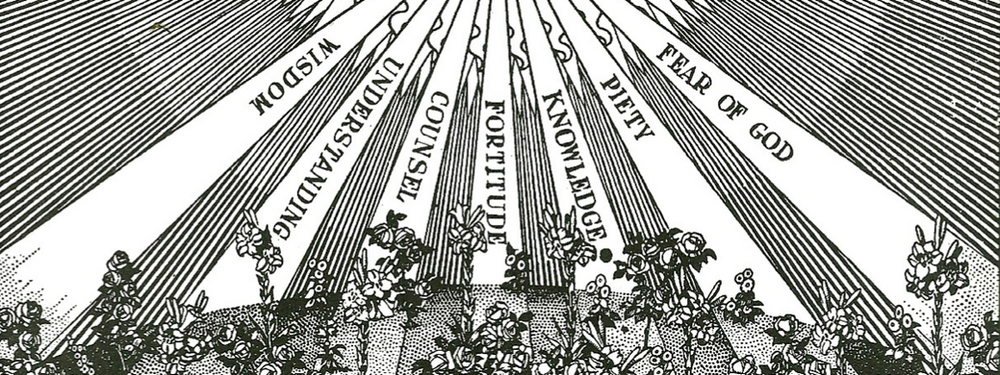
Piety, as delineated within the sacred texts of the Bible, represents a profound reverence and devotion to God, encapsulated in various practices, attitudes, and beliefs that reflect an individual’s spiritual relationship. Rooted in both the Old and New Testaments, the concept of piety transcends mere ritualistic observance to evoke a deep-seated commitment to righteousness and moral excellence. This exploration endeavors to unpack the multifaceted nature of piety, its manifestations, and its significance in the biblical narrative, encompassing a spectrum of themes that articulate its essence.
At its core, piety embodies a zealous adherence to religious duties, often manifested through prayer, worship, and the upholding of divine commandments. It is characterized by a sincere devotion that transcends superficial observances. Notably, piety is frequently linked with humility, acknowledging one’s limitations while seeking a greater divine connection. In the book of Isaiah, piety is intricately woven into the fabric of social justice. The prophet underscores that true piety involves caring for the marginalized—specifically, widows, orphans, and the oppressed—thereby challenging the faithful to blend their spiritual fervor with tangible acts of compassion.
Exploring piety within the context of the Old Testament, one would encounter figures such as Job, whose remarkable faith amidst adversity exemplifies unyielding devotion. Job’s lamentations, intertwined with declarations of loyalty to God, resonate profoundly. His narrative underscores that piety is not an immunity from suffering but rather a steadfast commitment to faithfulness, even in dire circumstances. The Psalms, a compendium of prayers and hymns, further elucidate this theme, showcasing a diverse tapestry of emotions—from desperation to deep joy—reflecting the intimate conversations between the believer and the Divine.
In the New Testament, the concept of piety undergoes a transformation as it is integrated into the teachings of Jesus Christ. Here, piety is redefined not only as personal devotion but as a community-oriented ethic. Jesus frequently critiqued hollow expressions of piety—those marked by ostentation—advocating instead for authenticity in one’s spiritual practice. His admonition to pray in secret rather than to seek the accolades of men epitomizes this shift towards internal rather than external validation. This emphasis on the heart’s condition reveals that genuine piety stems from a relationship marked by love, humility, and service toward others.
The Apostle Paul, too, elucidates on piety as he writes to early Christian communities. His epistles emphasize that true piety is grounded in faith and expressed through love. It is not confined merely to adherence to the law but is enlivened through grace. This theological shift invites believers to view piety as an intrinsic quality that shapes one’s character and interactions. Such piety engenders a lifestyle where ethical conduct and sincere worship coalesce, rendering the faithful a testament to divine love.
Furthermore, the role of piety in shaping moral frameworks cannot be overstated. Through parables and teachings, the biblical narrative advocates for a pious life that prioritizes the welfare of others, advocating for peace, justice, and righteousness. The implications of piety extend beyond individual experiences to influence communal norms and values, fostering societies that reflect divine principles.
In conclusion, piety in the Bible is multifaceted, encompassing heartfelt devotion, ethical imperatives, and communal responsibilities. It beckons believers to engage not only in personal sanctity but in the broader tapestry of justice and compassion. As one navigates the biblical discourse on piety, it becomes evident that this virtue is not an isolated act but rather a dynamic expression of faith that binds individuals to God and to one another in a shared quest for holiness and truth.

