

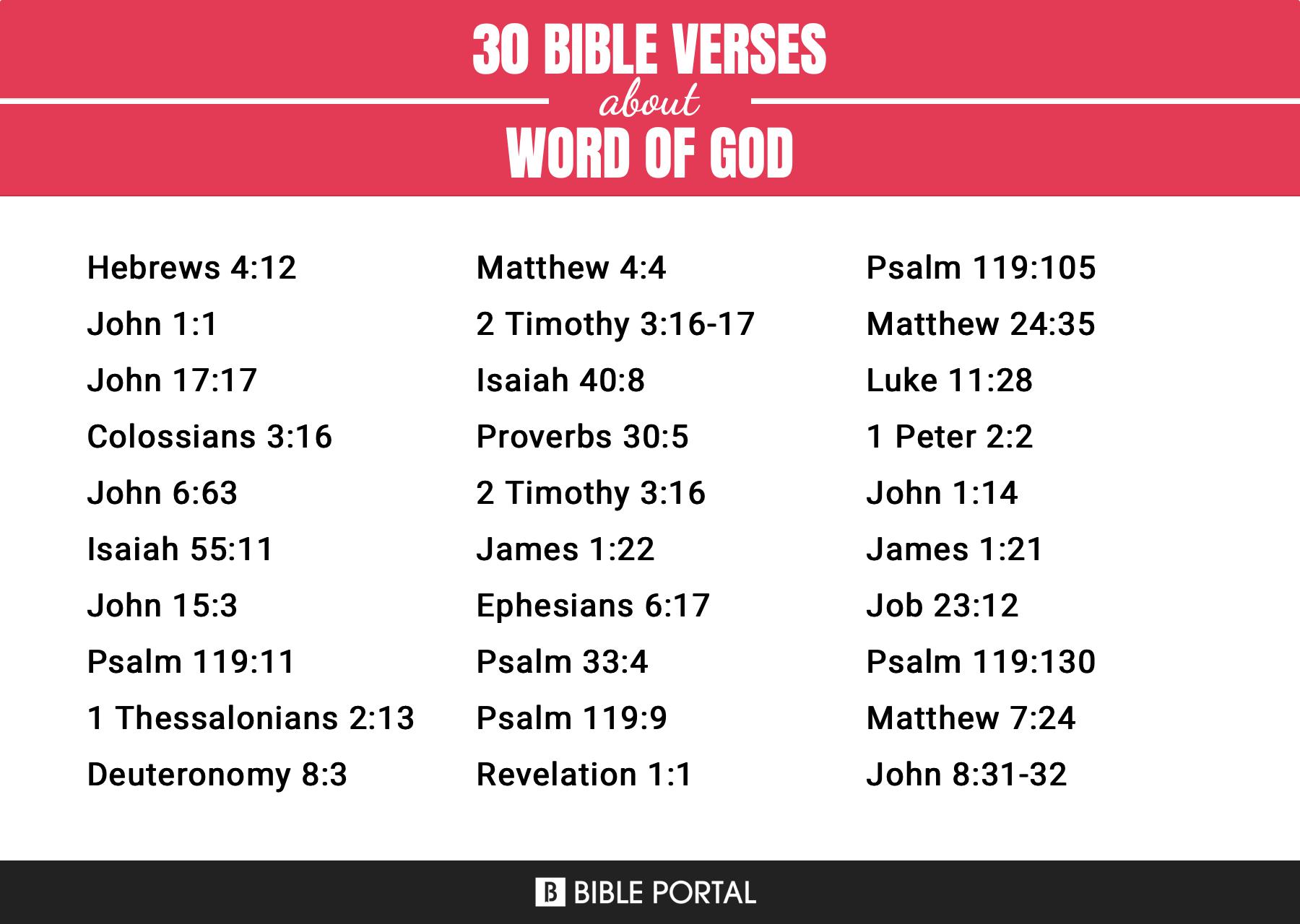
The concept of the Word of God occupies a central role in the Christian faith, acting as both a guide and a source of wisdom. The Bible presents the Word of God in various dimensions, enlightening readers on its importance, purpose, and transformative power. From the creation narrative to the teachings of Jesus and the writings of the apostles, the reverberations of God’s Word throughout scripture are multifaceted.
In the beginning, Genesis introduces us to the sheer potency of God’s spoken word: “Let there be light,” and there was light. This divine decree highlights the aesthetic and foundational significance of the Word in creation. The very fabric of existence is woven from God’s commands, suggesting that the Word is both creative and sustaining. This initial portrayal sets a precedent for understanding the Word of God as a dynamic force in the universe.
Moving forward, the Bible frequently underscores the Word’s role as a source of guidance and moral instruction. The Psalms are particularly rich in verses that exalt the virtues of divine teaching. For instance, Psalm 119 extols the law of the Lord as perfect, imparting wisdom to the simple. The Word here emerges not simply as a collection of rules but as a transformative tool for moral and spiritual formation. This duality—where instructions serve both to correct and to guide—offers an enriching perspective for believers seeking a righteous path.
The New Testament further elaborates on the nature of the Word through the person of Jesus Christ. In John 1:1, we encounter the profound declaration: “In the beginning was the Word, and the Word was with God, and the Word was God.” This statement encapsulates the integral connection between Christ and Scripture, suggesting that understanding the Word entails understanding Christ’s life and teachings. The incarnation of the Word offers believers a tangible expression of divine truth, inviting them into a relational dynamic with God.
Furthermore, the epistolary literature, particularly the letters of Paul, emphasizes the revelatory aspect of the Word. For example, Romans 10:17 states, “So faith comes from hearing, and hearing through the word of Christ.” This affirmation posits that the communication of the Word catalyzes faith, implying that engagement with scripture is not merely an academic exercise but a vital aspect of spiritual vitality. Such assertions prompt readers to consider how the Word not only informs beliefs but also ignites belief itself.
The Word of God is also characterized by its accessibility and universality. The parables of Jesus illustrate profound truths through everyday experiences, making the divine message relatable. Accessibility underscores the belief that divine wisdom is not reserved for an elite few but is open to all who seek. Moreover, the Great Commission—where Jesus instructs His followers to make disciples of all nations—highlights the intended reach of the Word, transcending cultural and geographical boundaries.
Contrastingly, scripture also acknowledges the adversarial forces that challenge the reception of the Word. The parable of the sower (found in Matthew 13) illustrates various responses to God’s Word, reflecting how the state of one’s heart influences the effectiveness of that Word in their life. This allegorical representation serves as both a caution and an insight into the human condition, urging believers to cultivate receptivity to divine truths.
In conclusion, the Bible presents a profound and intricate tapestry of the Word of God, revealing its creative power, moral guidance, relational aspect in Christ, faith-inspiring nature, global reach, and challenges. Readers are invited to delve deeply into these layers, discovering how the Word serves not only as a sacred text but as a living entity that continually shapes, inspires, and transforms lives. Engaging with the Word of God is thus not merely an intellectual endeavor; it is a journey toward a deeper understanding of divine love and purpose.

