

In the tapestry of biblical history, the figure of the eunuch emerges as a compelling character, often draped in layers of complexity and rich symbolism. The term “eunuch” itself connotes more than merely an individual who has been physically altered; it embodies a state of being—one that transcends gender norms and societal expectations. This exploration delves into the multifaceted role of eunuchs in biblical texts, their metaphorical significance, and their enduring relevance in contemporary discourse.
In the ancient Near East, eunuchs served as servants or officials in royal courts, frequently tasked with overseeing harem affairs or acting as trusted advisors. This societal positioning afforded them a unique vantage point, often associated with both power and vulnerability. The eunuch’s status highlights a profound paradox: while they may possess influence, they concurrently grapple with societal exclusion due to their altered physicality. Such a duality draws parallels with the universal human quest for identity, acceptance, and purpose, making the eunuch a symbol of uniqueness in a world that often leans toward conformity.
Scriptural references to eunuchs are sprinkled throughout the Bible, inviting readers to glean wisdom from their narratives. One of the most notable mentions is in the book of Isaiah, where the prophet conveys a message of divine inclusion. Isaiah 56:4-5 states, “For thus says the Lord: To the eunuchs who keep my sabbaths, who choose the things that please me and hold fast my covenant, I will give in my house and within my walls a monument and a name better than sons and daughters.” Herein lies a profound proclamation: eunuchs are promised a place of honor and remembrance, transcending their societal marginalization.
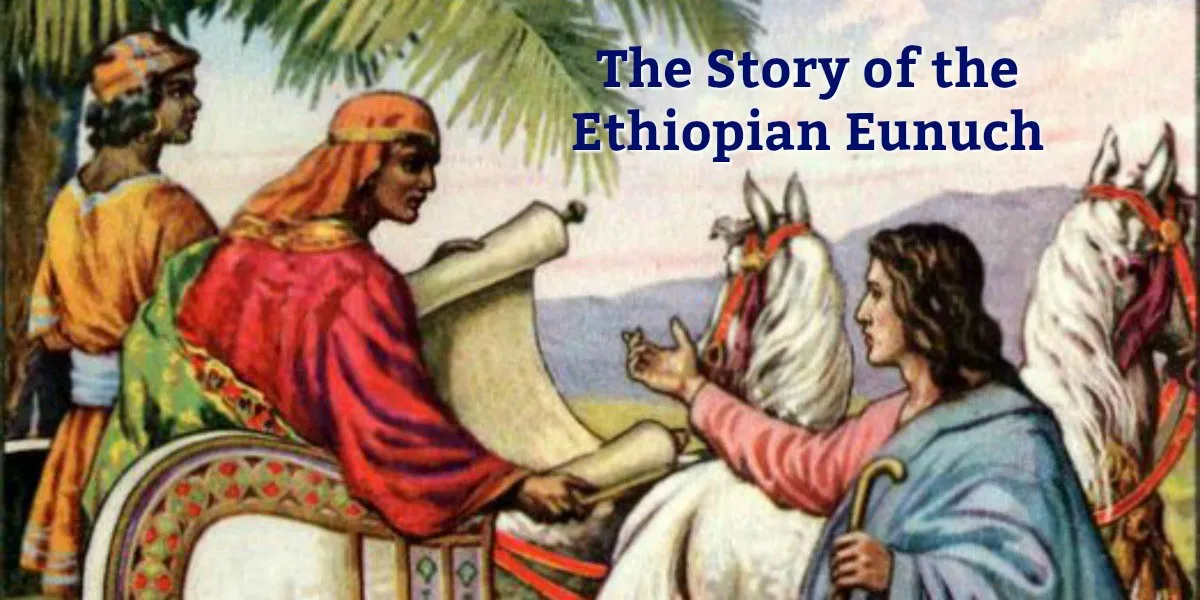
In the New Testament, the encounter between Philip and the Ethiopian eunuch exemplifies another layer of complexity. The eunuch, reading from the book of Isaiah, imparts a profound thirst for understanding—a quest that beckons the onlooker to witness the transformative power of faith. Philip’s guidance leads to the eunuch’s baptism, symbolizing a break from past restrictions and the fruition of spiritual fulfillment. This interaction encapsulates the essence of inclusion and redemption, allowing the eunuch to become a harbinger of the gospel to his own homeland.
The metaphor of the eunuch extends beyond gender and societal roles; it serves as a potent emblem of spiritual devotion. In Matthew 19:12, Jesus speaks of eunuchs “who have made themselves eunuchs for the sake of the kingdom of heaven,” suggesting a transformative pathway to divine engagement through self-denial or reorientation of earthly desires. This notion reinforces the idea that physical forms and societal labels do not define one’s capacity for connection with the divine.
In contemporary discourse, the narrative surrounding eunuchs invites reflection on broader themes of identity, autonomy, and societal acceptance. The modern understanding of gender fluidity and the advocacy for LGBTQ+ rights resonate deeply with the ancient stories of eunuchs, as they too represent voices that challenge traditional paradigms. In reexamining these biblical figures, contemporary society may find encouragement to embrace and celebrate the diversity inherent within the human experience.
Ultimately, the lasting legacy of the biblical eunuch invites a profound discourse on humanity’s shared journey toward authenticity and acceptance. Through their narratives, we are reminded that existence is replete with paradoxes, where strength and vulnerability coexist. The eunuch, standing at the confluence of societal expectations and divine purpose, serves as a poignant metaphor—a reminder that each life is a unique thread in the intricate tapestry of existence.

