

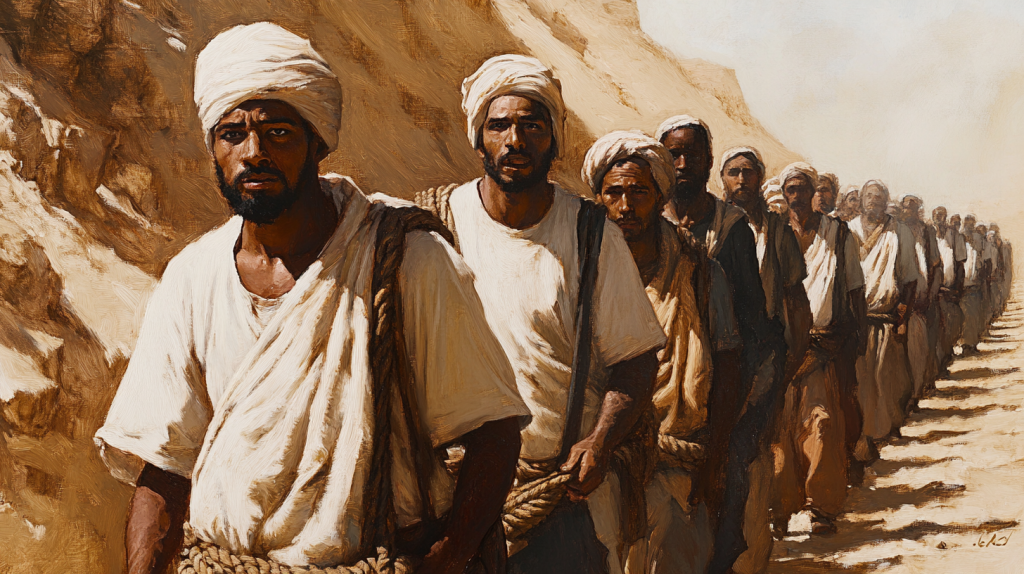
When you hear the word “yoke,” what images come to mind? Perhaps you visualize a sturdy wooden beam, traditionally used to unite two oxen to plow a field. However, in biblical contexts, the term “yoke” embodies far more than just an agricultural tool. Let’s delve into the rich tapestry of its meanings, implications, and applications found within the scriptures.
To begin with, it’s crucial to grasp the literal definition of a yoke. In ancient agricultural societies, a yoke was an implement crafted to harness paired animals, aiding them in bearing burdens and completing laborious tasks. The underlying symbolism here is powerful—yokes signify partnership, submission, and shared responsibility. In Matthew 11:29-30, Jesus invites believers to take on His yoke, suggesting that partnership with Him leads to rest and lightness—a profound paradox that challenges the very concept of burdens in our lives.
In biblical literature, the metaphorical use of yokes extends beyond mere labor. A yoke can symbolize the weight of sin, control, or oppression. For instance, in Jeremiah 27:8, the yoke represents the dominion of foreign kings over Israel, a poignant reminder of the struggles faced by the Israelites. The juxtaposition of freedom and bondage illustrated by the yoke serves as a central theme throughout scripture, beckoning readers to contemplate their own spiritual burdens.
Now, let’s consider the spiritual connotations of the yoke. Jesus accentuates the importance of a divine partnership when He states, “For my yoke is easy, and my burden is light.” This declaration presents a playful yet profound challenge. How often do we burden ourselves with the weight of our expectations, fears, or societal pressures? By willingly embracing the yoke of Christ, we relinquish those oppressive weights, shifting from despair to hope.
Additionally, the yoke serves as an emblem of communal relationships within the body of believers. In Galatians 5:1, Paul urges the faithful to stand firm in their freedom and not submit again to a yoke of slavery. Here, the notion of freedom through community is paramount—believers are called to uplift one another, fostering a spirit of support rather than imposition. This dynamic underscores the importance of harmonious relationships, where lifting one another’s burdens becomes an act of worship.
Diving deeper into the symbolism, yokes can also represent different kinds of allegiances. Christians are reminded to be cautious of the yokes they willingly wear. 2 Corinthians 6:14 warns against being unequally yoked with unbelievers, highlighting the dangers of partnerships that can lead one away from faith. This scripture prompts an introspective inquiry into the influences encountered in daily life — are they nurturing or detrimental to spiritual growth?
Thus, contemplating the nature of yokes in the biblical narrative poses a tantalizing question: What yokes are you bearing today? Are they aligned with the teachings of Christ, or are they heavy burdens that hinder rather than help? Recognizing the kind of yoke one chooses to embrace can drastically alter one’s spiritual journey.
In conclusion, the yoke in the Bible is a multifaceted symbol that encompasses partnership, burdens, and the spiritual journey. It implores believers to examine their lives critically, discerning whether their yokes bring rest and nourishment, or if they simply add to life’s heaviness. Embracing the yoke of Christ can lead to unparalleled peace, inviting an eternal rest that transforms the arduous into the joyous. Through this reflective process, one can experience the true essence of liberation — a call to find solace in unity with God.

