

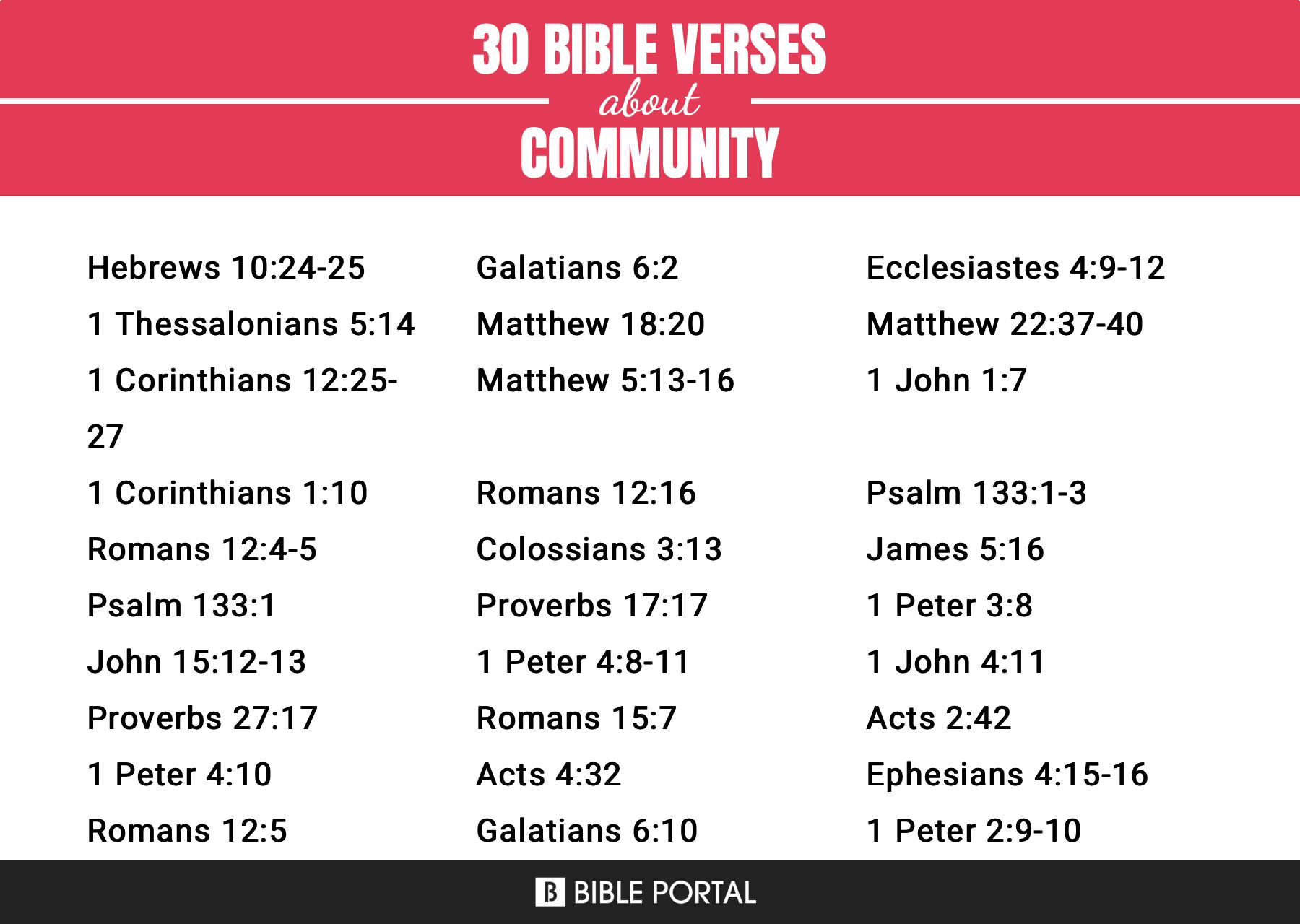
In the sacred volumes of Scripture, the concept of community reverberates with significance, illuminating the divine design for human connection. The Bible speaks extensively on this theme, revealing that community is not merely an aspect of life; it is central to the very fabric of existence itself. From the Genesis account of creation to the teachings of Jesus and the epistles of the apostles, divine wisdom encourages a collective ethos that transcends individualism.
At the onset, the Book of Genesis introduces us to the foundational moments of human interaction. God observed that “It is not good for the man to be alone” (Genesis 2:18), establishing the sanctity of companionship and the importance of relationships. This proclamation resonates deeply, suggesting that solitude is contrary to our inherent nature. The creation of Eve as a companion for Adam illustrates that community is an edifice built upon mutual support, empathy, and love. Such interactions cannot flourish in isolation; they thrive in the nurturing embrace of fellowship.
As we traverse through the Scriptures, the narrative of the Israelites further emphasizes collective identity. In the midst of trials and tribulations, the community of God’s chosen people rallied together, showcasing the power of unity. They were repeatedly reminded of the covenant that tied them together, assuring them that they were not alone in their struggles. This shared experience highlights the notion that community is integral to spiritual growth and fortitude. In collective worship, celebration, and mourning, the interconnectedness of the community becomes a channel for God’s grace.
Fast forward to the New Testament, where Jesus epitomizes the essence of community through His actions and teachings. With His twelve disciples, He modeled the ultimate act of relational engagement, demonstrating a deep commitment to connectedness. The early church emerges as a vibrant model of faith in action, characterized by communal living, as described in Acts 2:44-47. They shared their possessions, broke bread, and engaged in fellowship, creating a powerful testament to the divine promise of unity. This radical counter-culture offers a captivating invitation to reassess our understanding of belonging.
Furthermore, the Apostle Paul’s letters serve as a profound exploration of community dynamics within the body of Christ. The metaphor of the church as a body (1 Corinthians 12) elucidates the intricacies of interdependence. Each member, with unique gifts and functions, contributes to the health and vitality of the whole. This passage cultivates an awareness that embracing diversity within unity is both beautiful and essential. It challenges believers to honor and uplift one another, fostering an environment where differences are celebrated rather than stifled.
Moreover, the biblical call to love one another is emphatically underscored in 1 John 4:12, asserting that “if we love one another, God lives in us and His love is made complete in us.” This assertion invites a profound shift in perspective, suggesting that authentic community is a tangible expression of God’s presence. It prompts the inquiry: how can genuine love manifest in our interactions? This question inspires reflection on our roles within our communities, urging a commitment to serve and elevate those around us.
In conclusion, the Bible richly portrays community as a divine orchestration—an intricate tapestry woven together by love, support, and shared faith. By embracing the biblical vision of community, one can embark on a transformative journey, fostering connections that are not only meaningful but also reflective of the divine covenant. The exploration of these scriptural truths ignites curiosity and inspires a deeper commitment to cultivating community, forever altering the narrative of individualism in favor of collective flourishing.

