

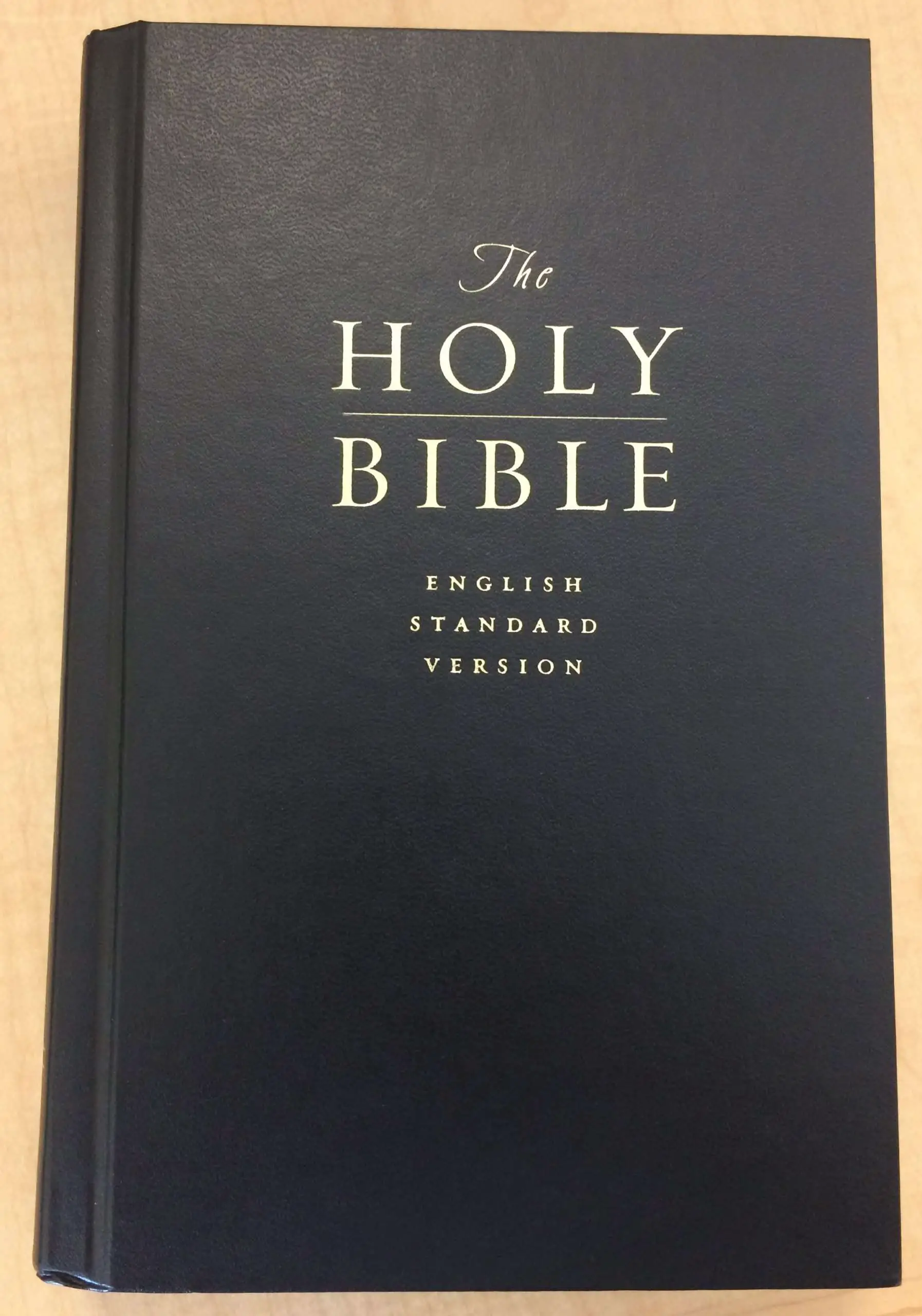
When pondering the question of which Bible is the easiest to comprehend, it is essential to recognize the variety of translations available and the distinct audiences they cater to. Each version offers unique linguistic styles, theological backgrounds, and reading levels. Consequently, the best choice for one individual may not necessarily resonate with another. Below, we explore several popular translations, elucidating their characteristics and suitability for different readerships.
1. New International Version (NIV)
The New International Version is a widely embraced translation known for its balance between accuracy and readability. It employs a thought-for-thought approach, arranging the scripture in accessible language while maintaining the intended meanings. Ideal for readers new to the Bible or those seeking a straightforward narrative, the NIV often features modern vocabulary and phrasing, making it very approachable.
2. New Living Translation (NLT)
For those who desire a more dynamic rendering of the scriptures, the New Living Translation offers an engaging and contemporary version. This translation goes further in simplifying the text, making it an excellent choice for readers who may struggle with more traditional versions. The NLT’s emphasis on clarity means that even intricate theological concepts are distilled into uncomplicated, relatable language. This makes it particularly appealing for young adults and individuals exploring the faith for the first time.
3. The Message (MSG)
Revered for its colloquial approach, The Message is a paraphrase rather than a direct translation. Eugene Peterson’s innovative work is characterized by vibrant language and a conversational style that invites readers into the narrative. While some may argue that paraphrasing can lead to misinterpretations, many find that the casual tone of The Message encapsulates the essence of scripture in an easily digestible format. It often evokes a personal connection, making it especially suitable for group discussions or casual study.
4. Contemporary English Version (CEV)
The Contemporary English Version was specifically designed to be understood by a broad audience, including children and non-native English speakers. Its straightforward vocabulary and simplified sentence structures minimize confusion. Consequently, it’s an excellent choice for individuals seeking to grasp the foundational elements of their faith without being bogged down by complex theological jargon. Schools and scripture classes often utilize the CEV for teaching purposes.
5. Holman Christian Standard Bible (HCSB)
The Holman Christian Standard Bible strikes a commendable balance between rigorous scholarship and accessibility. Maintaining a formal equivalence in translation while also embracing modern linguistic patterns, the HCSB is an excellent resource for those desiring both clarity and depth. Its footnotes often provide helpful context, allowing readers to explore the layers of meaning embedded in the texts.
6. Good News Translation (GNT)
Formerly known as the Good News Bible, the Good News Translation comes with the mission of accessibility at its core. Ideal for individuals new to scripture, the GNT employs everyday language and includes illustrations that aid understanding. Its textual simplicity does not diminish the impact of the messages conveyed; rather, it enhances the reader’s connection to the spiritual messages contained within.
Conclusion:
The exploration of which Bible is easiest to understand can lead to a deeply personal choice. The variations among translations underscore the notion that accessibility is subjective and hinges upon individual preferences and comprehension levels. Whether one is seeking a straightforward narrative or a vibrant paraphrase, rest assured that there exists a translation tailored to meet diverse needs. Ultimately, the most pivotal factor remains the reader’s engagement with the profound wisdom found within the sacred texts.

