

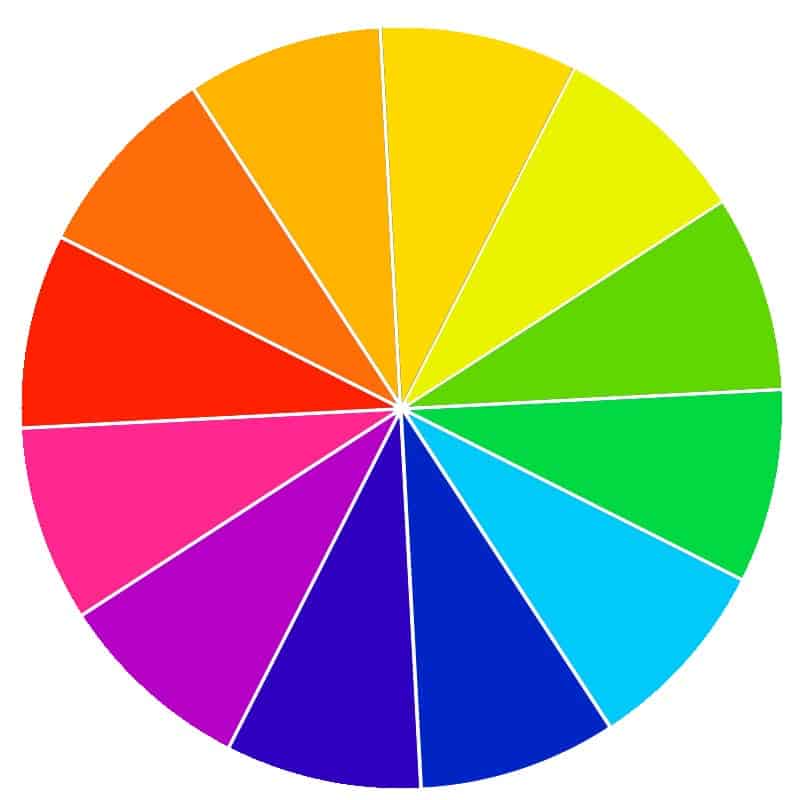
The elusive hue of beryl, as depicted in biblical texts, invites a meditative exploration into the realm of color and its symbolic resonance. Often mentioned in discussions surrounding precious stones and divine significance, beryl embodies more than mere aesthetic appeal. It stands as a metaphorical bridge between the material and the spiritual, prompting a closer examination of its colors and meanings within the context of ancient scriptures.
In biblical references, beryl is prominently featured as one of the twelve stones adorning the breastplate of Aaron, the high priest. Each gem was believed to represent one of the twelve tribes of Israel. Beryl, in particular, is associated with the tribe of Benjamin. The very name “beryl” encompasses a spectrum of colors, including green, blue, yellow, and even colorless varieties. This chromatic versatility leads one to ponder: what is the true color of beryl? And more importantly, what significance does it hold?
To grasp the color of beryl, one must explore its various forms. Blue beryl, also known as aquamarine, evokes images of clear, serene waters that symbolize peace and tranquility. On the other hand, green beryl, which includes the alluring emerald, brings forth notions of renewal and steadfastness. The prevalence of these colors throughout biblical narratives resonates deeply, calling forth themes of hope, promise, and divine protection. The contention lies not merely in the physical attributes but in the emotional and spiritual resonance the colors invoke.
Interestingly, the biblical portrayal of beryl often intertwines with notions of light and clarity. In Revelation 21:19-20, beryl is mentioned in the context of the New Jerusalem, where its brilliance complements the celestial vision. This invokes a nuanced interpretation: beryl’s colors reflect the divine light, offering promises of enlightenment and spiritual awakening. The color shifts between jade greens and tranquil blues may encourage contemplative thought, prompting individuals to reflect upon their spiritual journey and the divine paths laid out before them.
Additionally, the complexity of color in beryl can be viewed through the lens of emotional response. Colors have a profound impact on human feelings and perceptions; thus, when beryl is mentioned in scriptural context, it inspires curiosity about its intrinsic meanings. The soft green of a green beryl may awaken feelings of growth and new beginnings, while the cool blue of aquamarine can facilitate a sense of calm and introspection. This interplay between color and emotion heightens its significance beyond mere symbolism and taps into the human experience.
The metaphorical implications of beryl extend into the very act of interpretation. In a world rich with complexity, considerations of color push us to reassess our perspectives. As one contemplates the layers of meaning behind the color of beryl, it becomes a conduit for understanding the intricate relationships between faith, identity, and the greater universe. Each color variation – shimmering emerald green or ethereal aquamarine – acts as a reminder that perspectives, like colors, can shift and transform with time and reflection.
In drawing the threads together, the exploration of what color beryl represents in the Bible serves as an invitation to embark on an odyssey of discovery. It challenges individuals to rethink not just colors but also the possibilities laid forth within their spiritual and emotional landscapes. Beryl, through its multifaceted colors, illuminates the intricacies of the human soul and the eternal promise of spiritual enlightenment. In every gleam of this precious stone, there lies an invitation to explore, question, and ultimately, understand more deeply the colors that shape our world.

