

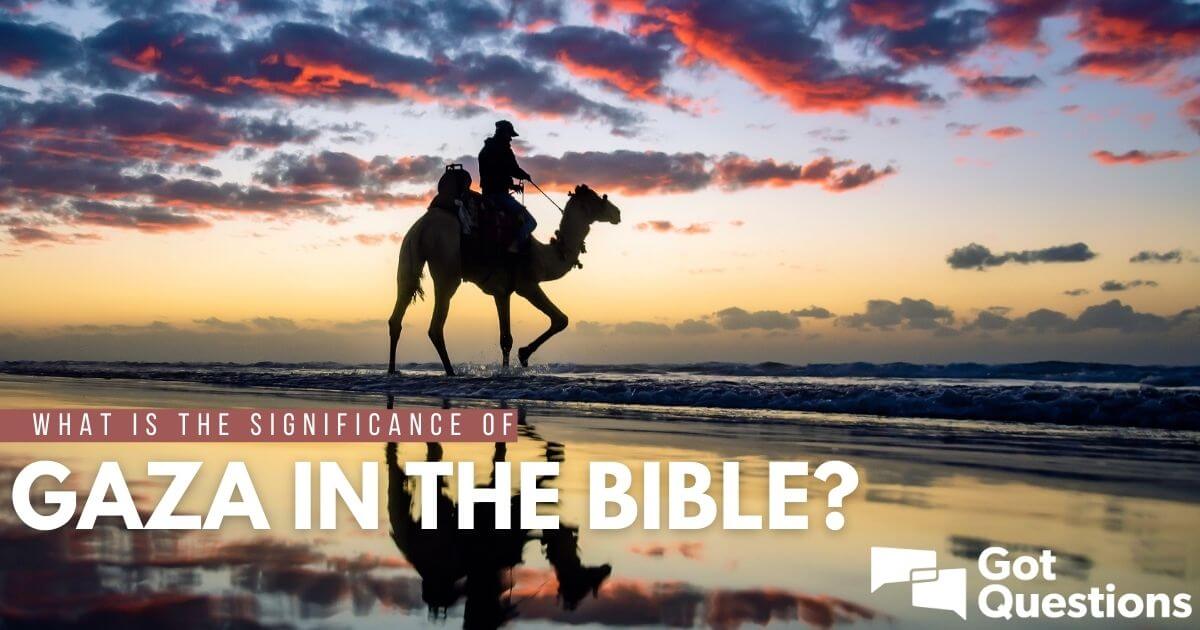
As we delve into the intricate tapestry of biblical narratives concerning Israel and Gaza, particularly through the lens of 2026, we embark on a journey that examines historical contexts, theological reflections, and contemporary implications. The relationship between these two regions is profound and multifaceted, rooted in scriptural accounts that span millennia. This exploration encompasses various genres of content, providing readers with a comprehensive understanding of the biblical significance of Israel and Gaza.
The Old Testament serves as the foundational bedrock for understanding the connection between Israel and Gaza. Notably, the Philistines, the inhabitants of Gaza, feature prominently in the narratives surrounding the Israelites. Texts from Judges and 1 Samuel recount the tumultuous interactions between these groups, showcasing conflicts and alliances alike. Through these stories, readers encounter themes of divine destiny and the struggle for land—elements that reflect the persistent quest for identity that resonates into modern times.
Historians and theologians alike highlight the pivotal events that unfolded in Gaza, particularly the tales surrounding figures such as Samson. His legendary exploits against the Philistines, chronicled in Judges 16, elucidate not just personal vengeance but the broader theological implications of Israel’s sovereignty. Such narratives evoke profound questions regarding divine intervention and human agency. The story of Gaza epitomizes the perpetual clash between seemingly opposing forces, a theme that continues to reverberate in the contemporary socio-political landscape.
Transitioning to the prophetic literature, readers encounter deeper reflections on Israel’s fate intertwined with Gaza’s destiny. Prophets like Amos and Zephaniah address the injustices faced by both nations, emphasizing the universal call for justice and righteousness. These prophetic voices summon modern readers to consider the ethical dimensions of their actions and the consequences of societal neglect. The prophetic literature acts as a moral compass, urging a reckoning with the historical grievances that plague these regions to this day.
In examining the New Testament, the geographical and cultural contexts of Gaza and Israel expand further. While the Gospels predominantly focus on Jesus’ ministry in Galilee and Judea, the shadows of neighboring regions like Gaza loom large. The parable of the Good Samaritan highlights the borders that define societal interactions. This narrative, rich with implications, invites readers to reflect on neighborly love that transcends territorial animosities and cultural divides—an ideal particularly relevant to current discussions surrounding Israel and Gaza’s complex interplay.
As we contemplate 2026, the historical weight of Gaza’s biblical past intersects with modern geopolitical realities. Readers are encouraged to explore various interpretations of scripture, reflecting on how ancient texts resonate with contemporary struggles for peace and justice. Scholarly discourse might delve into the theological implications of Israel’s current state, considering how biblical texts have been appropriated or contested in political rhetoric today. This invites a layered exploration of how faith influences national identity and vice versa.
Lastly, the ongoing dialogue about Israel and Gaza often draws upon the rich symbology found within sacred texts. These symbols, whether they be olive trees, mountains, or waters, serve not merely as geographical markers but as profound representations of longing, aspiration, and divine hope. In the realm of visual content, such imagery can foster deeper contemplations on the relationships depicted in scripture, bridging the ancient and the contemporary. Through art and design, readers may connect emotionally to the age-old narratives, enriching their understanding of the complexities that lie within the heart of these lands.
In conclusion, the exploration of what the Bible says about Israel and Gaza invites a rich tapestry of theological reflection, historical inquiry, and ethical consideration. As dynamic narratives continue to unfold, readers are encouraged to engage with these texts not merely as ancient records, but as living commentaries on justice, peace, and the enduring human spirit.

