

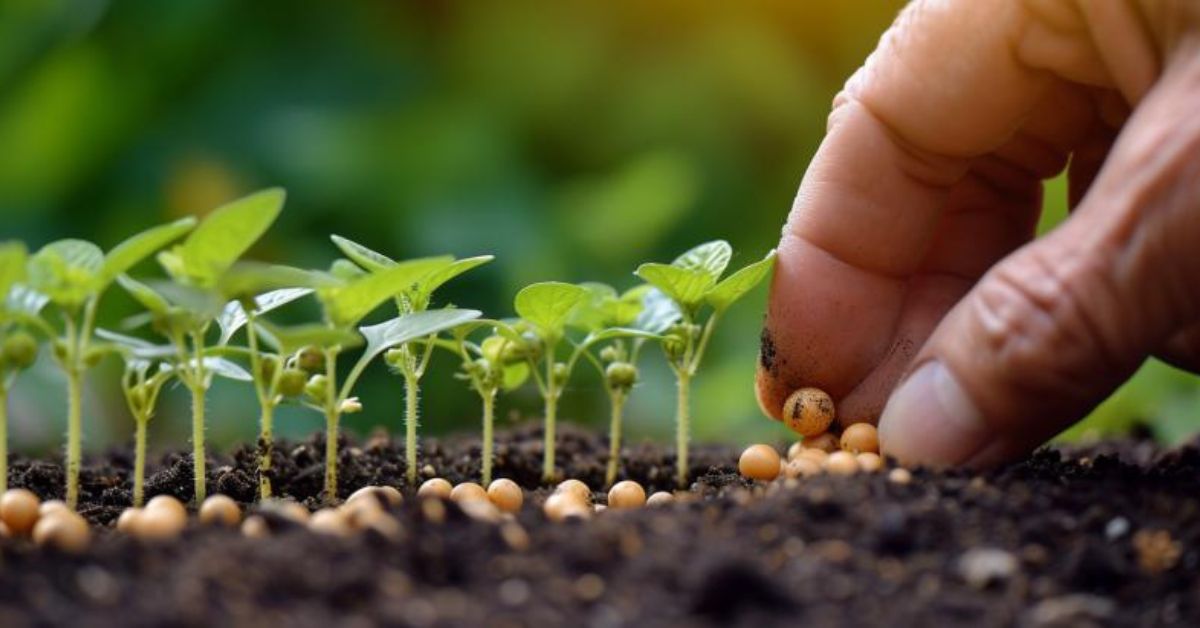
In the verdant tapestry of the world, seeds symbolize myriad opportunities, each one a promise waiting to unfold. Within the sacred pages of the Bible, the act of sowing seeds transcends mere agriculture; it embodies spiritual truths that resonate with the complexities of human existence. The philosophy of sowing seeds is echoed in parables, emphasizing the profound connection between cultivation and faith.
The parable of the sower, found in the Gospels, encapsulates the essence of this metaphor. A sower dispersed seeds across varying terrains: some fell upon the path, some on rocky ground, some amidst thorns, and others on good soil. This allegory serves as a poignant reminder of the different receptions of divine truths. The seed, representing the Word of God, can flourish under the right conditions while languishing in those devoid of nurturing. Rich, fertile soil—representative of a receptive heart—ensures the growth of a bountiful harvest, illustrating the notion that one’s attitude and openness to spiritual insights directly influence their capacity for growth and transformation.
In the realm of spiritual cultivation, the Bible underscores the importance of intention. Sowing seeds is not merely about scattering; it involves deliberate actions and an intrinsic understanding of the nutrients required for growth. The act of nurturing—the watering, the weeding—parallels our responsibility in our communities and relationships. Just as the farmer tends to his crops, individuals are called to foster love, kindness, and community engagement. In essence, the seeds we scatter through our actions can yield a more compassionate society.
Moreover, the act of sowing represents an intrinsic cycle of life. The law of sowing and reaping signifies a reciprocal relationship with the world. “Whatever one sows, that will he also reap” conveys a profound truth about accountability. This principle transcends mundane interactions and permeates our environmental consciousness. By sowing seeds of stewardship, we cultivate not only our spiritual lives but also the earth itself. The preservation of our planet remains a vital component of this dialogue; each seed sown in the earth not only yields food but embodies a commitment to sustainability.
Contrastingly, the thorns that hinder seed growth reflect the myriad distractions and injustices that plague society. The toxicity of greed, fear, and apathy are akin to weeds that choke the life out of potential. Addressing these issues requires vigilance and active participation. By advocating for environmental justice, we reinforce the biblical ethos of caring for the creation. In some interpretations, these thorns symbolize the need for social reform and the commitment to ensure that the seeds sown in society are not impeded by systemic barriers.
Even within the context of personal spirituality, the act of sowing seeds invites introspection. It encourages individuals to examine their motivations and desires. What seeds are you sowing in your heart, mind, and soul? Are they of hope, love, and faith, or are they entangled in negativity and discord? This habitual self-reflection not only fosters a nurturing internal landscape but ultimately contributes to a communal harvest that reflects the godly attributes of compassion and justice.
The cyclical rhythm of planting and harvesting embodies a deeper truth: the importance of patience and perseverance. The seeds we sow do not sprout overnight; they require time, attention, and unwavering faith. Just as the seasons change and the earth rejuvenates, so too must we trust in the process of growth, both within ourselves and in the world around us. The journey of cultivation is fraught with challenges, yet it is precisely this struggle that shapes us, enriching the soil of our character.
In summation, the act of sowing seeds—be it in faith, community, or the environment—encapsulates profound spiritual and moral lessons. It is a call to action, a reminder of our interconnectedness with one another and the earth. As we navigate the complex landscapes of modern life, may we remember the seeds we choose to sow, for they hold the potential to transform our world into a fertile ground for love, justice, and sustainability.

