

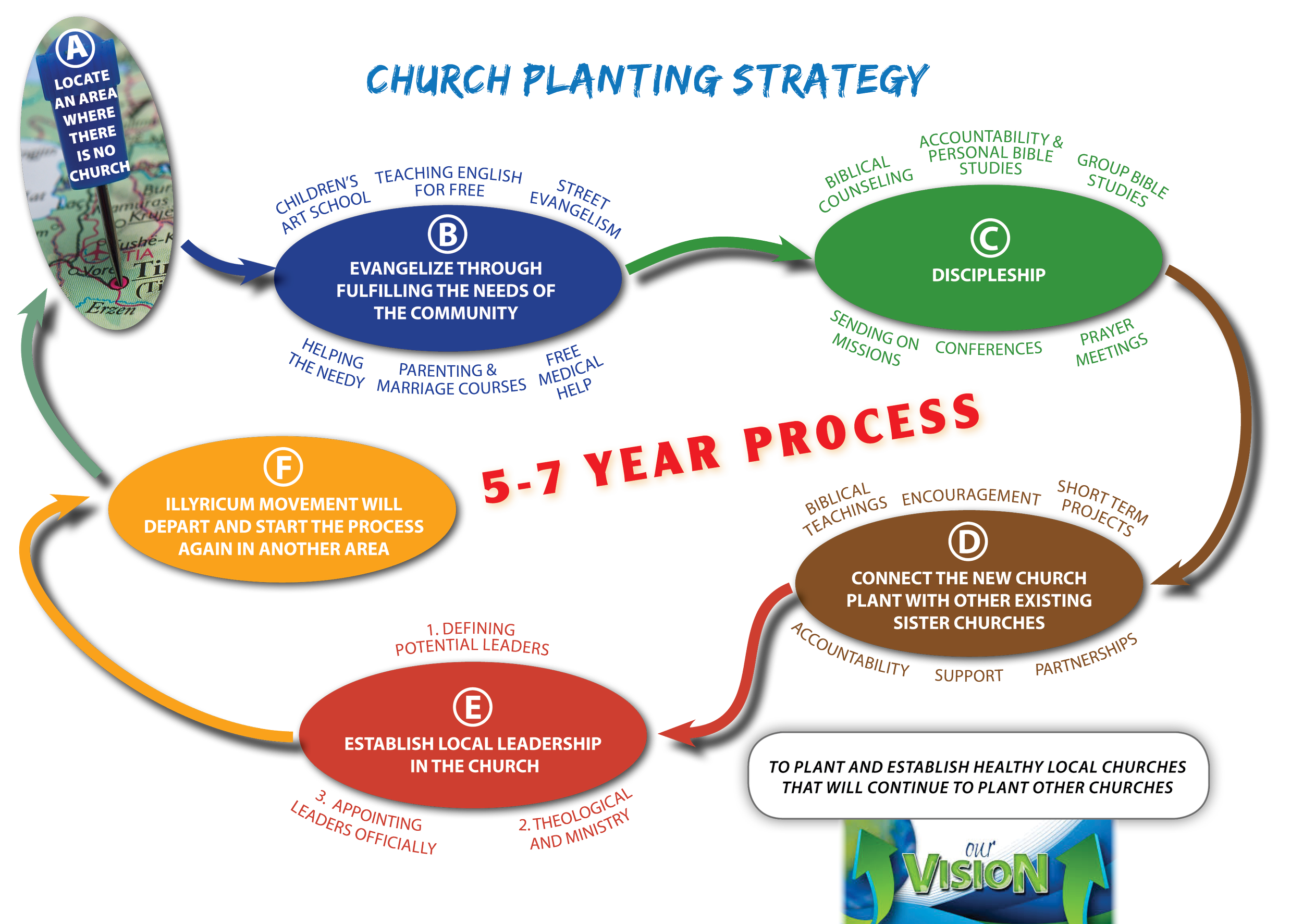
What if a tiny seed of faith could sprout into a thriving community that reshapes an entire neighborhood? This playful question often sparks the imagination of church planters, yet the path from germination to robust impact is riddled with strategic decisions, relational dynamics, and spiritual disciplines. Below is a comprehensive guide that walks through the essential phases of church planting, offering actionable insights while confronting the inevitable challenges that arise when a fledgling congregation seeks to take root and flourish.
Discerning the Divine Invitation
Before the first shovel hits the soil, leaders must engage in prayerful contemplation, seeking the unmistakable whisper of the Holy Spirit. This stage, often dubbed “spiritual discernment,” involves fasting, communal worship, and an honest audit of personal gifting and passions. The apostle Paul’s admonition to “test the spirits” underscores the necessity of aligning the planting vision with divine purpose rather than market trends. A church that begins with a clear, transcendent call will weather storms that might otherwise topple a merely entrepreneurial venture.
Mapping the Terrain: Community Analysis
Just as a botanist studies soil composition, a church planter must conduct a meticulous community assessment. This includes demographic mapping—age distribution, economic indicators, cultural nuances, and existing ecclesiastical landscape. Qualitative research, such as focus groups and one‑on‑one interviews, reveals the latent spiritual hunger that statistical data alone cannot capture. By synthesizing these insights, planters can craft a narrative that resonates with the community’s collective story, thereby ensuring that the new congregation feels less like an alien intrusion and more like a timely oasis.
Strategic Vision Casting and Mission Statement Formulation
Vision casting is the catalyst that ignites collective momentum. A robust mission statement should be succinct, memorable, and saturated with purpose; it functions as a compass for decision‑making. For instance, “Cultivating authentic koinonia in the downtown corridor” succinctly captures both the relational emphasis and geographic focus. In this phase, the planter also delineates short‑term milestones—like launching a weekly prayer gathering within three months—and long‑term outcomes, such as establishing a replicable discipleship model within five years. The interplay of short and long sentences here mirrors the rhythm of anticipation and perseverance that defines a church planting journey.
Discipleship Pathways and Assimilation Protocols
A church that grows without deepening its members is akin to a tree that expands its canopy while its roots remain shallow. Effective discipleship pathways integrate biblical teaching, experiential learning, and accountable community. Structured tracks—such as “Foundations,” “Growth,” and “Service”—allow newcomers to progress systematically while offering flexibility for individualized journeys. Assimilation protocols ensure that first‑time attendees are promptly welcomed into small groups, where relationships can be cultivated in a low‑pressure environment. The inclusion of occasional “micro‑church” gatherings, where members practice communion and prayer in homes, fosters intimacy and reinforces the sense of belonging.
Leadership Development and Multiplication
Leadership multiplication is the engine of sustainable impact. The New Testament model of “raising up elders in every city” (Titus 1:5) suggests that a planter should intentionally identify emerging leaders early, invest in their theological training, and delegate responsibilities commensurate with their gifts. Structured mentorship programs, peer cohorts, and external coaching create a ecosystem where leaders can flourish. Moreover, embracing a “team ministry” philosophy—where decision‑making is distributed rather than centralized—reduces burnout and cultivates a resilient organizational culture.
Measuring Impact and Adaptive Learning
The final, often overlooked, phase involves the rigorous evaluation of outcomes. Quantitative metrics—such as attendance, baptisms, and giving—provide concrete evidence of growth, while qualitative indicators—like transformed lives, community partnerships, and cultural influence—capture the more subtle ripples of kingdom impact. Adaptive learning, a concept borrowed from agile methodology, encourages planters to treat every setback as data, adjusting strategies in real time. This iterative process ensures that the church remains responsive to the evolving needs of its context, thereby sustaining relevance and longevity.
Conclusion: From Seed to Shade
In the grand narrative of church planting, the journey from seed to shade is neither linear nor predictable. It demands unwavering faith, strategic foresight, and the humility to learn from both triumphs and tribulations. By discerning the divine invitation, meticulously mapping the community, casting a compelling vision, establishing deep discipleship pathways, investing in leadership multiplication, and committing to continuous evaluation, planters can transform the initial question—“What if we could grow a forest of faith?”—into a tangible reality. The challenge remains, but the path is illuminated, inviting every bold soul to plant, nurture, and watch a community of believers bloom in every corner of the world.

