

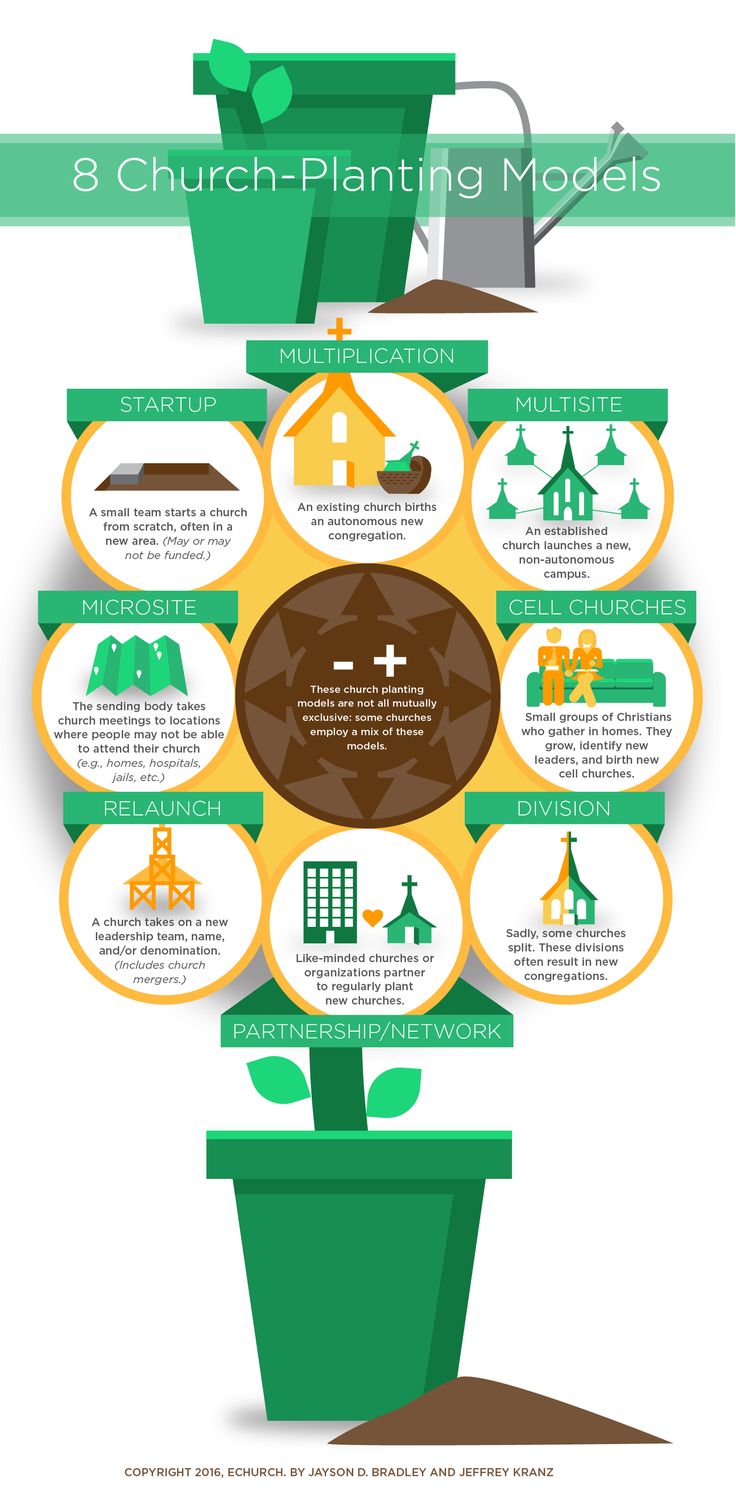
When a seed is dropped into untilled soil, it does not announce which root system it will eventually become. In the same spirit, church planters often find themselves standing before a blank field, wondering which model will allow the gospel to take hold and flourish. The choice is rarely a matter of preference alone; it is a strategic decision that will shape community dynamics, resource allocation, and the long‑term sustainability of a new faith expression. By examining the landscape of modern church planting and by asking the right questions, one can discover the model that aligns with vision, context, and calling.
Mapping the Ecclesial Terrain
The contemporary church planting arena resembles a bustling marketplace of ideas, each vying for attention with its own philosophy of formation. Some models prioritize rapid multiplication, while others favor deep, relational incubation. Still, others lean on institutional scaffolding to provide stability during early growth. Understanding these distinct pathways equips a planter with the clarity needed to discern where the Holy Spirit is already at work and where new pathways might be opened.
The Classic Launch‑Team Paradigm
Picture a small band of committed believers assembling in a borrowed auditorium, their prayers echoing off walls that have never before cradled a worship song. The launch‑team model hinges on a core group that collectively commits to the mission, providing leadership, finances, and evangelistic momentum before the public launch. This approach offers a ready‑made community, accelerated momentum, and immediate visibility, yet it demands a high level of dedication and can sometimes unintentionally create a dependency on the founding members for decision‑making and spiritual nourishment.
Missional Community Cells: Organic Incubation
Imagine a network of micro‑communities spreading like mycelium through the cracks of a city, each node nurturing a distinct expression of faith. Missional community cells prioritize relational depth over programmatic grandeur, embedding believers into the rhythms of everyday life—workplaces, neighborhoods, coffee shops. These cells often emerge from existing small groups, allowing participants to live out the gospel in context‑specific ways, but they can also struggle to generate the broader worship experience that some seekers crave.
Multi‑Site Ecclesiology: Scaling the Vision
When a single congregation decides to extend its reach across geographical boundaries, multi‑site church planting offers a scalable architecture. One central teaching voice, delivered via live video or recordings,

