

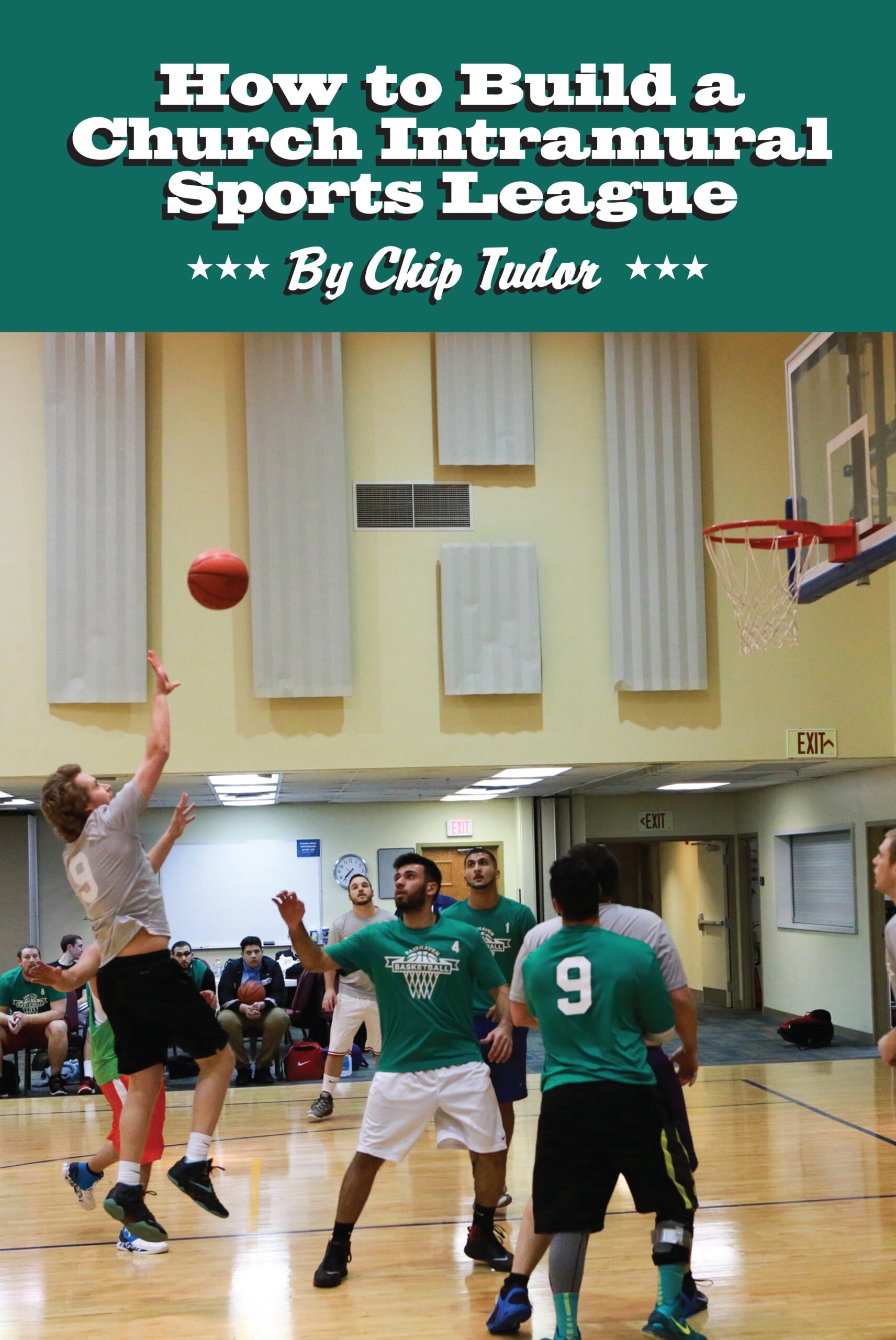
Imagine the echo of a whistle cutting through the sanctuary’s reverent hush, followed by the thunderous applause of a congregation that has just witnessed a perfectly executed layup. A church sports league is more than a pastime—it is a living parable, a fellowship forged in motion, where spiritual camaraderie and athletic grit interlace like threads in a well‑crafted tapestry. By channeling the collective zeal of the faithful into organized competition, a league can become a crucible for unity, health, and evangelism, turning the gymnasium into a second sanctuary.
Discerning the Divine Vision
Before the first whistle blows, the league’s architects must listen for the faint pulse of purpose. A clear mission statement—perhaps “to nurture body, mind, and spirit through inclusive athletic fellowship”—acts as a compass. This vision should be articulated in a succinct, resonant phrase that can be whispered in the hallway, printed on the bulletin board, or shouted from the bleachers. When the purpose is anchored in faith, every sprint and every spill becomes a testament to perseverance, and the league’s identity remains steady amid the inevitable challenges of scheduling and budget.
Assembling a Covenant of Leaders
The scaffolding of a thriving league rests upon a diversified council of volunteers. Recruit a pastoral liaison to intertwine devotional moments with game intervals, a seasoned sports coordinator to plot schedules, a treasurer to manage modest dues and donations, and a communications champion to weave together email chains, flyers, and social media updates. The chemistry of this team is analogous to a well‑rehearsed orchestra: each instrument (member) brings its timbre, yet the conductor (lead coordinator) ensures harmony. Regular meetings, a shared digital workspace, and a culture of mutual encouragement will keep the leadership covenant vibrant and responsive.
Crafting the Rulebook: Scripture in Motion
Rules are the scriptural text of the court. They must be clear, fair, and adaptable. Begin by selecting a core sport—basketball, volleyball, or soccer—that aligns with available facilities and the demographic pulse of the congregation. Draft a concise rulebook that balances competitiveness with recreation, emphasizing safety, proper conduct, and the spirit of fair play. Include provisions for mixed‑ability groupings, rotating captains, and a “grace period” rule that allows teams to borrow players when roster numbers dip. By codifying these expectations, you create a framework where the unexpected becomes an opportunity for growth rather than discord.
Scheduling: The Rhythm of the Sacred Season
Time, the great equalizer, must be orchestrated with reverence. Choose a consistent day and hour—perhaps Sunday afternoons after the worship service—to embed the league into the church’s liturgical rhythm. Seasonal cycles should mirror the academic year, allowing families to plan vacations and holiday events without clash. Integrate a “light‑load” week every fourth gathering for devotional workshops, team‑building exercises, or community service, thereby preserving the spiritual heartbeat while preventing burnout. A shared digital calendar, coupled with automated reminders, can dissolve the fog of conflicting appointments.
Fostering Inclusivity: The Body of Christ in Motion
Inclusivity is the covenant’s living echo. Design teams that blend ages, genders, and skill levels, encouraging intergenerational mentorship. Offer “beginner clinics” led by seasoned athletes within the congregation, and provide basic equipment loans so that financial constraints never become a barrier. The league’s philosophy should celebrate effort over outcome, awarding “Spirit Awards” for sportsmanship, encouragement, and volunteerism. When a teenager assists an elder on a layup, the act transcends sport, weaving bonds that strengthen the parish fabric.
Infusing Spiritual Reflection
The gymnasium can become a sanctuary when moments of prayer punctuate the play. Open each match with a brief communal prayer or a Scripture reading that ties the sport’s theme to a biblical principle. Halftime can feature a short devotion—perhaps a reflection on perseverance from the Book of James or a story of teamwork from the Book of Acts. These spiritual interludes transform a simple game into a liturgical act, reminding participants that their bodies are temples of the Holy Spirit.
Managing Logistics: The Unseen Dance of Support
Behind every seamless game lies a choreography of logistics. Secure a venue that is accessible, well‑lit, and equipped with essential amenities—first‑aid kits, water stations, and restrooms. If the church lacks a full‑size court, consider partnerships with local schools or community centers, negotiating low‑cost rentals in exchange for volunteer stewardship. Budgetary prudence can be achieved through modest registration fees, Congregational fundraising events, or corporate sponsorship from local businesses supportive of wholesome community initiatives. Maintain a transparent ledger, sharing financial updates monthly to foster trust.
Promotion and Community Outreach
Word of

