

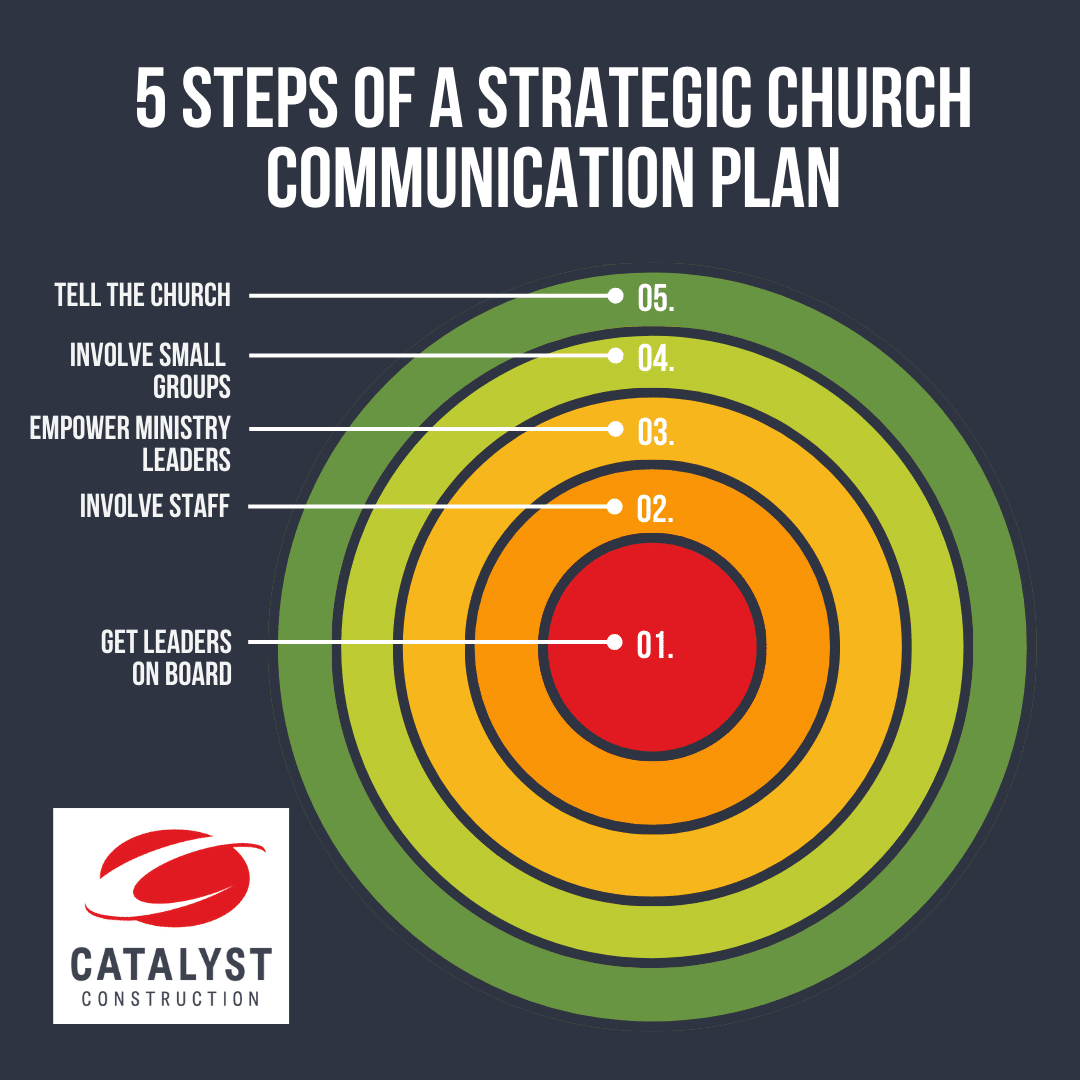
Imagine a lighthouse perched on a windswept shore, its beam cutting through fog to guide weary vessels home. In much the same way, church communication must pierce the noise of everyday life, illuminating the path toward shared faith and purpose. When a congregation hears a clear, resonant message, the community feels tethered to something larger than itself. This article charts a course for strengthening that luminous connection, turning ordinary announcements into everlasting echoes.
The Pulse of Purpose: Knowing Why You Communicate
Every utterance should pulse with intention. Before drafting a bulletin, ask: what core belief does this传达? The mission of the church is a living compass; align each piece of content with that bearing. A purposeful message feels like a heartbeat—steady, urgent, alive. When communicators own their “why,” the congregation senses authenticity, and the message reverberates beyond words.
Reading the Congregation: Mapping the Audience
Understanding who sits in the pews is akin to reading a map before a journey. Younger members may navigate via Instagram stories, while seasoned believers might rely on printed newsletters. Conduct gentle surveys, host informal coffee hours, and observe attendance patterns. By mapping generational preferences and spiritual maturity, you can tailor the language, tone, and platform to meet each group where they already dwell.
Structuring the Message: The Architecture of Clarity
Clarity is the scaffolding that holds a message together. Begin with a concise hook—an intriguing question or a vivid anecdote—then move through a clear middle, and end with a call to action. Think of the structure as a blueprint: each beam (idea) must bear weight without overcrowding. Short sentences cut through clutter; longer sentences add depth. The result is a dwelling where listeners can comfortably inhabit the idea.
Choosing Channels: The Ecosystem of Platforms
Modern communication is an ecosystem, not a monologue. A robust strategy weaves together website, social media, email newsletters, printed flyers, and in‑person announcements. Choose platforms that mirror the congregation’s daily habits. If a platform feels foreign, consider its interstitial role—bridging the physical and digital realms. A harmonious blend ensures the message reaches each niche, reinforcing it across multiple touchpoints.
Visual Storytelling: When Images Speak
One image can summon a thousand emotions. Pairing thoughtful graphics with text creates a visual symphony that lingers in memory. Use high‑resolution photos of real gatherings, candid testimonies, and stylized icons that echo church symbols. Motion graphics or short videos can illustrate complex concepts, making abstract theology tangible. Remember, visuals are not decoration; they are narrative anchors that guide the audience through the

