

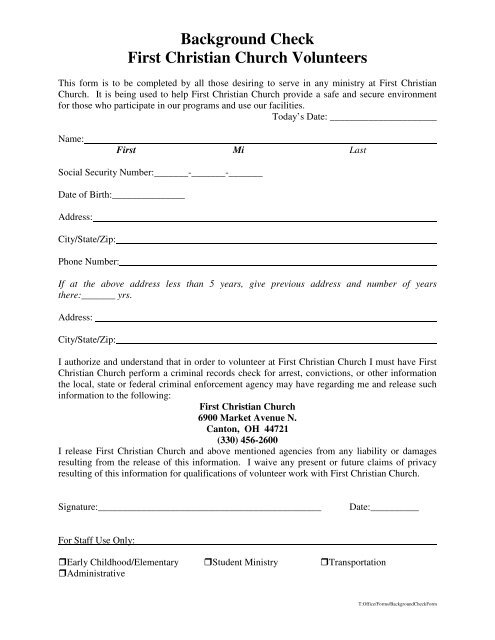
Within the hallowed halls of a congregation, a quiet transformation is underway. Volunteers who once entered with good intentions alone are now subject to a systematic vetting that mirrors the rigor applied in secular institutions. This shift does not diminish the spirit of service; instead, it amplifies trust, safeguards the vulnerable, and reinforces the communal promise to protect those who cannot protect themselves. The following sections unravel the multifaceted landscape of church and volunteer background checks, offering both insight and actionable pathways for leaders eager to ensure safety without sacrificing the heart of ministry.
The Imperative of Vigilance: Why Churches Must Prioritize Safety
Faith communities are microcosms of broader society, harboring individuals from all walks of life. When a soup kitchen opens its doors or a youth group gathers for fellowship, the probability of encountering latent risks rises. A proactive stance—anchored in thorough background screening—acts as a prophylactic measure, inoculating the community against potential harm before it materializes. Short sentences often crystallize the urgency: “Safety first.” Yet, the underlying rationale demands a more expansive view: a single lapse can erode decades of goodwill, inviting litigation, media scrutiny, and emotional fallout.
Churches that embrace vigilant screening also signal a commitment to the well‑being of their most defenseless members—children, seniors, and those with disabilities. By institutionalizing checks, leaders demonstrate that love and protection are inseparable, fostering an environment where volunteers feel valued and attendees feel secure.
Legal Frameworks and Compliance: Navigating Statutes and Regulations
Every jurisdiction wields its own tapestry of statutes governing background checks. In the United States, the Fair Credit Reporting Act (FCRA) governs the procurement and use of consumer reports, while state‑specific laws may impose additional layers—such as mandatory child abuse clearances for anyone working with minors. Failure to adhere can result in civil penalties, exclusion from grant funding, or even criminal liability.
Synergistic compliance strategies begin with a clear mapping of applicable laws, followed by the adoption of a standardized consent form that satisfies both federal and state requirements. Churches must also maintain meticulous records of each screening, documenting consent, results, and any subsequent actions taken. This documentation serves as a shield during audits and demonstrates due diligence to insurers and community stakeholders.
Tailored Screening Protocols: Matching Checks to Volunteer Roles
Not all volunteers present identical risk profiles. A treasurer handling finances requires a credit history review, whereas a nursery aide mandates a child abuse clearance and a national criminal record search. By segmenting roles into risk tiers—high, moderate, and low—church administrators can allocate resources efficiently without compromising safety.
High‑tier screenings might include a national criminal database scan, sex offender registry verification, and a fingerprint‑based FBI check. Moderate‑tier checks could involve state‑level criminal searches and reference interviews. Low‑tier positions may rely on basic identity verification and a brief questionnaire. Tailoring ensures that the process remains both cost‑effective and sufficiently robust.
The Screening Lifecycle: From Consent to Continuous Monitoring
The journey of a background check begins with transparent consent. Volunteers should receive a concise, jargon‑free explanation of the scope, purpose, and potential outcomes. This consent must be documented, ideally signed electronically for traceability.
Once consent is obtained, the screening entity runs the requisite queries, returning results within a stipulated timeframe. A designated church liaison reviews the report, cross‑referencing any findings against the established criteria for the role. If a disqualifying factor emerges, a confidential adjudication process—often involving a review panel—determines whether the volunteer can be retained, reassigned, or dismissed.
Continuous monitoring extends beyond the initial clearance. Periodic re‑screening, perhaps every two to three years, and alert services that notify of new criminal filings help maintain a dynamic defense posture. This ongoing vigilance mitigates the risk of “sleeper” threats that may surface after a volunteer has already integrated into the community.
Protecting Privacy and Managing Data: Ethical Data Stewardship
Background checks generate sensitive personal information—names, dates of birth, criminal histories, and in some cases, financial records. Churches must treat this data with the utmost discretion, adhering to principles of data minimization and purpose limitation.
Implementing secure, encrypted storage solutions, limiting access to authorized personnel, and establishing clear retention schedules ensure that data is not retained beyond its necessary window. When information is no longer required for the screening purpose, it should be securely purged, aligning with both legal mandates and ethical expectations of confidentiality.
Building Trust Through Transparency: Communicating Policies to the Congregation
Transparency serves as a bridge between administrative practices and congregational confidence. When members understand why checks are performed and how their safety is prioritized, resistance dwindles and support flourishes.
Church bulletins, website portals, and pre‑service announcements can articulate the screening policy, outlining the steps taken, the rights of volunteers, and the overarching commitment

