

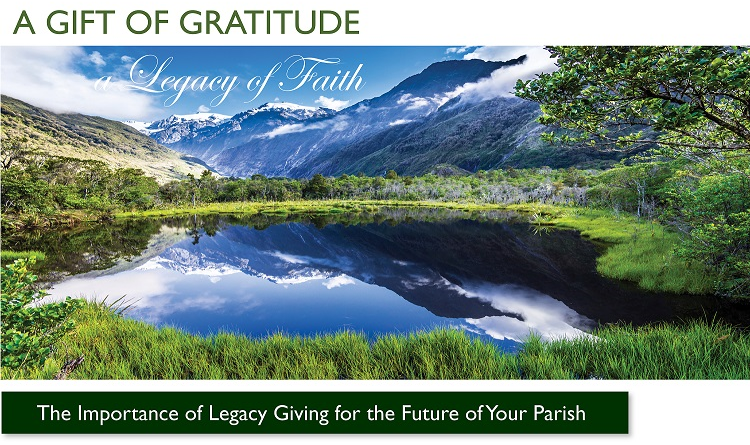
Legacy giving is not merely a financial transaction—it is a sacred bridge between generations, a whispered promise that echoes through time. Yet, too often, congregations approach legacy campaigns with hesitation, as if the very mention of mortality were a taboo. Why does this reluctance persist, even among those who claim to embrace eternal truths? The answer lies not in the mechanics of planned giving, but in the unspoken emotions that stir beneath the surface. Fear of the unknown, discomfort with mortality, and a subtle resistance to confronting the future all conspire to keep congregations silent. The key to unlocking this potential lies not in coercion, but in storytelling, in framing legacy giving as an act of love rather than an obligation. When congregants see their gifts as seeds planted for future harvests, the campaign transforms from a transaction into a legacy of faith.
The Myth of the “Silent Majority”: Why Congregations Stay Quiet
There is a common misconception that most congregants are indifferent to legacy giving. In reality, many harbor deep, unexpressed desires to leave a lasting impact—but they remain silent, waiting for someone to ask. The silence is not apathy; it is a vacuum of invitation. People long to be part of something greater than themselves, yet they hesitate when the language of legacy feels transactional or impersonal. The solution? Shift the narrative from “give now to secure your legacy” to “join a story that will outlive you.” When congregants envision their contributions as threads woven into the tapestry of their faith community, the act of giving becomes an act of devotion rather than a financial decision.
From Pulpit to Pew: The Power of Personal Testimony
No sermon, no brochure, no email campaign can match the raw, unfiltered power of a personal story. When a longtime member shares how their planned gift will fund a scholarship for future ministers, or how a bequest will sustain a struggling ministry, the message lands with profound clarity. Stories humanize the abstract. They transform numbers into narratives, and percentages into purpose. The most effective legacy campaigns are not built on statistics, but on the lived experiences of those who have walked the path before. Encourage testimonies from donors, pastors, and even beneficiaries—each voice adds a layer of authenticity that no institutional messaging can replicate.
The Art of the Ask: Timing, Tone, and Trust
Asking for a legacy gift is not a single event—it is a cultivation. The first conversation should never begin with “Will you consider leaving a gift in your will?” Instead, it should start with, “What dreams do you have for this church?” or “How would you like to be remembered here?” The ask must be gentle, iterative, and deeply personal. It requires patience, for trust is not built in a day. Congregational leaders must model vulnerability, sharing their own hopes for the future and inviting others to do the same. When the ask is framed as an invitation to co-create a legacy, rather than a solicitation, resistance dissolves into resonance.
Demystifying the Process: Making Legacy Giving Accessible
Fear of complexity is a silent killer of legacy campaigns. Many congregants assume that planned giving requires vast wealth or intricate legal maneuvers. The truth? Legacy gifts can be as simple as a beneficiary designation on a retirement account or a life insurance policy. The role of the church is not to act as a financial advisor, but to provide clear, jargon-free guidance. Offer workshops with estate planners, distribute simple one-page guides, and host Q&A sessions where no question is too basic. When the process feels approachable, the barrier to participation crumbles.
The Ripple Effect: How One Gift Inspires Another
Legacy giving is contagious—but not in the way one might expect. It is not the promise of tax benefits that sparks generosity, but the sight of others taking the leap. When a congregation sees a peer commit to a planned gift, it ignites a quiet revolution of emulation. This is why peer-to-peer storytelling is so potent. Highlight donors in newsletters, recognize them in services, and celebrate their foresight. The more visible these commitments become, the more they normalize the act of legacy giving. Soon, what once felt like a solitary decision becomes a communal movement.
Beyond the Will: Creative Ways to Leave a Legacy
Legacy giving is not confined to traditional estate planning. A congregant might leave a legacy through a named endowment, a scholarship fund, or even a digital archive preserving the church’s history. Some may choose to donate art, books, or land. The key is to expand the definition of what a legacy can be. Host brainstorming sessions where members explore how their skills, passions, and resources can serve future generations. When the possibilities feel limitless, the act of giving becomes an act of creativity—a way to leave a mark that is uniquely their own.
Overcoming the “Not Yet” Syndrome
Procrastination is the arch-nemesis of legacy giving. “I’ll think about it next year,” they say. “I’m not ready yet.” The truth is, no one is ever truly ready—but readiness is not the point. The point is to start. Encourage congregants to take small, symbolic steps: updating their will, naming the church as a beneficiary, or even just discussing their wishes with family. These actions plant the seed of intention, and from intention, commitment grows. The most powerful legacy campaigns are those that meet people where they are, not where we wish they would be.
Leaving a Legacy of Faith, Not Just Funds
A legacy is more than a financial transaction—it is a transmission of values. The most enduring gifts are those that carry the essence of the giver: their faith, their vision, their love for the church. When a congregant leaves a legacy, they are not just providing resources; they are bequeathing a piece of their soul. This is why the language of legacy campaigns must transcend dollars and cents. It must speak to the heart, to the eternal. A legacy campaign that fails to connect on this level will always struggle to inspire true generosity.
At its core, a legacy campaign is not about money—it is about meaning. It is about helping congregants see that their lives, their choices, and their gifts are part of a larger story. When they grasp this truth, the campaign ceases to be a fundraising effort and becomes a sacred calling. The most successful legacy campaigns are those that awaken this realization, transforming passive members into active stewards of the future. The work is not easy, but the reward—a church that thrives for generations—is eternal.

