

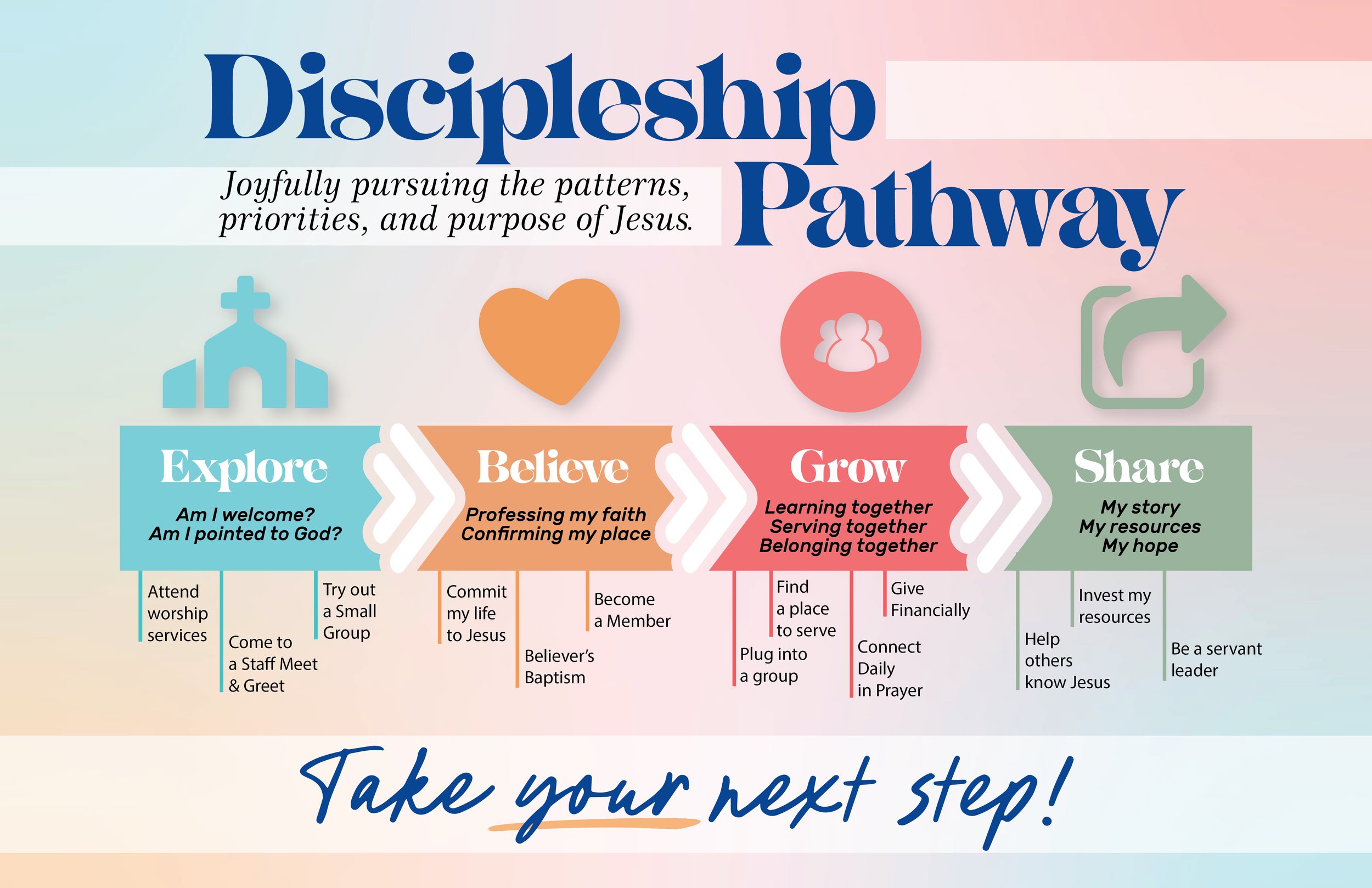
What if your church’s greatest untapped treasure wasn’t hidden in the vault of Sunday sermons, but in the quiet, intentional moments of everyday discipleship? Imagine a pathway so clear, so compelling, that every believer—from the newest seeker to the seasoned saint—could step onto it with confidence, knowing exactly where they’re headed and why. Yet, so many churches stumble over the same question: How do we design a discipleship pathway that actually works? It’s not just about filling a calendar with programs; it’s about crafting a journey that transforms lives, one step at a time.
The Heartbeat of Discipleship: Why a Pathway Matters
Discipleship isn’t a sprint; it’s a pilgrimage. Without a clear pathway, believers often wander in circles—attending events, consuming content, but never quite grasping the next step in their spiritual growth. A well-designed discipleship pathway acts as a compass, guiding individuals from spiritual infancy to maturity. It answers the unspoken question: What’s next? Whether it’s moving from curiosity to commitment, from pew-sitter to servant, or from self-focus to sacrificial love, a pathway provides the structure for intentional growth. But here’s the catch: without intentionality, even the most beautiful pathway becomes a decorative dead-end. The real challenge? Balancing structure with spontaneity, so discipleship feels alive, not rigid.
Mapping the Journey: The Four Pillars of a Thriving Pathway
Every great journey has landmarks—moments that mark progress and define the route. A discipleship pathway thrives on four foundational pillars: Knowledge, Relationship, Service, and Mission. These aren’t just buzzwords; they’re the bedrock of spiritual transformation.
Knowledge isn’t mere head-knowledge; it’s the kind that reshapes the heart. It begins with foundational teaching—Scripture, theology, and biblical worldview—but doesn’t stop there. It’s about applying truth, not just accumulating it. How? Through small groups, mentorship, and intentional study that digs deeper than Sunday’s sermon.
Relationship is where discipleship breathes. It’s the warmth of a small group, the accountability of a mentor, the vulnerability of shared struggles. Without authentic community, knowledge remains theoretical. But here’s the tension: relationships take time, and in a culture addicted to speed, patience is a radical act. How do you cultivate spaces where people feel safe to grow?
Service is where faith meets action. Discipleship isn’t complete until believers are serving—whether in the church, the community, or the margins of society. But service without purpose is just busywork. The key? Aligning opportunities with gifts, passions, and calling. How do you help people discover where they’re needed most?
Mission is the outward expression of an inward transformation. It’s not just about going on mission trips; it’s about living missionally every day. From sharing the gospel with a coworker to advocating for justice, mission is the natural overflow of a disciple’s life. But how do you move people from passive observers to active participants in God’s redemptive story?
The Elephant in the Room: Why Most Pathways Fail
Let’s be honest: most discipleship pathways crumble under the weight of their own ambition. They’re either too vague (“just grow closer to God!”) or too rigid (“follow these 12 steps or you’re failing”). The real culprit? A lack of personalization. Not everyone grows at the same pace or in the same way. Some thrive in deep Bible study; others blossom in hands-on ministry. The challenge? Designing a pathway that’s both structured and flexible. How do you avoid the trap of a one-size-fits-all approach while still providing clear direction?
Another silent killer is disconnection. Even the best pathway collapses if it’s not woven into the fabric of the church’s culture. If discipleship feels like an add-on—something extra to do on top of everything else—it won’t stick. The solution? Integrate it into the rhythm of church life. Make it unavoidable. Make it inevitable.
From Theory to Reality: Practical Steps to Build Your Pathway
Ready to move from dreaming to doing? Here’s how to build a discipleship pathway that actually works.
Step 1: Start with the End in Mind
What does a mature disciple look like in your context? Define it. Is it someone who loves God wholeheartedly? Serves sacrificially? Shares the gospel boldly? Your pathway should be a bridge from where people are to where God wants them to be. Without this vision, you’re building a road to nowhere.
Step 2: Audit Your Current Discipleship Efforts
Before adding anything new, take stock of what’s already happening. What’s working? What’s missing? What’s redundant? This isn’t about scrapping everything; it’s about refining. Maybe your small groups are strong, but your outreach is weak. Maybe your teaching is deep, but your application is shallow. Identify the gaps—and fill them.
Step 3: Design Clear Milestones
A pathway isn’t a checklist; it’s a journey with waypoints. These could be classes, retreats, mentorship phases, or service projects. For example:
- Foundations: New believers’ class, baptism preparation
- Growth: Small group participation, Bible reading plans
- Maturity: Leadership training, discipleship mentoring
- Mission: Local outreach, global missions trips
The key? Make each milestone achievable but challenging. Too easy, and people stagnate. Too hard, and they give up.
Step 4: Equip the Equippers
Your pathway is only as strong as the people leading it. Train small group leaders, mentors, and teachers to guide, not just teach. Give them tools to ask the right questions, listen deeply, and point people toward Christ. Remember: discipleship isn’t a program; it’s a relationship.
Step 5: Communicate the Vision Relentlessly
People won’t follow a path they don’t know exists. Cast the vision often—in sermons, emails, small groups, and casual conversations. Use stories of transformation to paint a picture of what’s possible. And don’t just talk about the pathway; walk it yourself. Leaders who model the journey inspire others to join it.
The Secret Sauce: How to Keep the Pathway Alive
A pathway isn’t a set-it-and-forget-it project. It’s a living organism that needs oxygen to thrive. Here’s how to keep it vibrant:
Celebrate Progress, Not Perfection
Highlight stories of growth—big and small. Did someone serve for the first time? Celebrate it. Did a small group dive into hard conversations? Recognize it. When people see their efforts matter, they’ll keep moving forward.
Adapt and Evolve
Your pathway should never feel stale. Every year, ask: What’s working? What’s not? What new needs are emerging? Maybe your community is aging, and you need more intergenerational discipleship. Maybe young families are struggling, and you need better parenting resources. Stay agile.
Make It Generational
Discipleship isn’t just for adults. Children, teens, and seniors all need a pathway tailored to their season. How are you discipling the next generation? How are you honoring the wisdom of older saints? A thriving church disciples across all ages.
The Ultimate Question: Are You Ready to Build?
Creating a discipleship pathway isn’t for the faint of heart. It requires vision, grit, and a willingness to fail—and try again. But the reward? A church where believers don’t just attend; they advance. Where growth isn’t accidental; it’s intentional. Where the gospel isn’t just preached; it’s lived out in the messy, beautiful reality of everyday life.
So, here’s the challenge: Will you let another year pass without a clear path for discipleship? Or will you take the first step—today—to design a journey that changes lives for eternity?

