

Crafting a worship campaign isn’t just about selecting hymns or arranging a stage—it’s about orchestrating a spiritual symphony that resonates with your congregation’s heart and aligns with the divine rhythm of the season. A well-designed worship campaign can transform passive attendance into active participation, turning Sunday mornings into a sacred pilgrimage where every note, word, and gesture feels divinely appointed. Whether you’re ushering in Advent, celebrating Pentecost, or marking a season of renewal, the key lies in intentionality. This guide will walk you through the essential elements of a worship campaign plan, from thematic scaffolding to content diversification, ensuring your worship experience is both immersive and transformative.
The Foundation: Defining Your Campaign’s Core Theme
A worship campaign thrives on a singular, compelling theme that acts as a gravitational pull, drawing every element—music, liturgy, visuals, and sermons—into alignment. This theme isn’t merely decorative; it’s the heartbeat of your campaign, the lens through which your congregation will interpret scripture, prayer, and community. Start by distilling the theological or seasonal essence you wish to emphasize. Is it the radical surrender of Lent, the joyous expectancy of Advent, or the unifying fire of Pentecost? Once crystallized, this theme should permeate every facet of your planning, from the color palette of your stage banners to the recurring motifs in your sermon series. A strong theme doesn’t just inform—it inspires, turning abstract concepts into tangible experiences that linger long after the final amen.
Content Diversity: Crafting a Multi-Sensory Worship Experience
Modern worshippers crave more than just a sermon and a few songs—they yearn for a multi-sensory pilgrimage that engages their spirit, mind, and emotions. To achieve this, diversify your content to create a tapestry of experiences that speak to different facets of human connection with the divine. Begin with musical variety: blend traditional hymns with contemporary anthems, incorporate global worship songs, and perhaps even commission original compositions that reflect your theme. Don’t shy away from instrumental interludes or ambient soundscapes that set the tone for reflection. Next, consider liturgical elements—prayers of invocation, responsive readings, or even dramatic monologues that bring scripture to life. Visual storytelling is equally vital: use projection mapping to display art, scripture verses, or even abstract animations that evoke the campaign’s mood. For the tactile seekers, incorporate symbolic rituals, such as lighting candles, anointing with oil, or passing the peace in a unique manner. Each of these elements should feel like a thread in a larger narrative, weaving together to form a cohesive spiritual journey.
Sequencing the Journey: The Art of Worship Flow
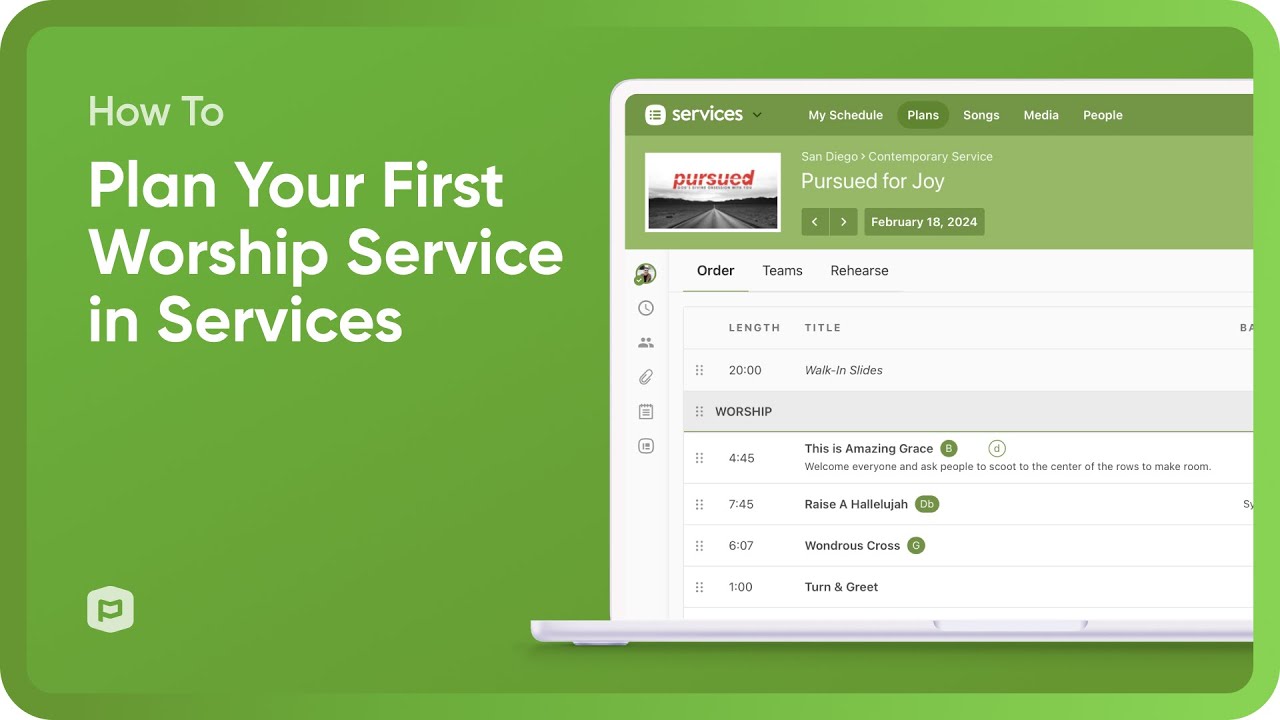
The order of your worship elements isn’t arbitrary—it’s a carefully choreographed dance between anticipation and release, reflection and celebration. A well-sequenced campaign begins with an opening act that primes the congregation’s hearts, perhaps through a call to worship that feels like an invitation rather than a directive. Follow this with a musical ascent, where songs build in energy and intensity, mirroring the spiritual climb toward encountering God. The sermon should serve as the pinnacle moment, a time of revelation where the theme is unpacked with depth and application. Post-sermon, transition into a response phase, where worshippers are given space to react—through prayer stations, communion, or extended worship music. Finally, close with a sending forth that feels like a benediction, sending the congregation back into the world as ambassadors of the theme they’ve just encountered. The key is to avoid abrupt shifts; each transition should feel like a natural progression, guiding the congregation deeper into the campaign’s narrative.
Engaging the Congregation: Participation Beyond the Pew
A worship campaign isn’t a spectator sport—it’s a communal pilgrimage where every attendee plays a role. To foster this sense of ownership, design opportunities for active participation that extend beyond singing along. Create small-group discussions during the week that dive deeper into the sermon’s themes, or host artistic response sessions where congregants can paint, write poetry, or craft prayers inspired by the campaign. Consider a digital engagement strategy as well, such as a campaign-specific app where people can submit prayer requests, share testimonies, or access devotional content. For those who thrive on structure, provide personal reflection guides that align with the weekly themes, encouraging daily meditation. Even the physical space can be leveraged: set up interactive stations where people can light candles, write prayers on sticky notes to be displayed, or engage with tactile elements like sand or water to symbolize repentance or renewal. The goal is to blur the line between “performer” and “participant,” creating a culture where worship is a shared endeavor.
Collaboration and Creativity: Leveraging Your Team’s Gifts
No single person can orchestrate a transformative worship campaign alone—it’s a collaborative masterpiece that draws on the unique gifts of your worship team, volunteers, and even the congregation itself. Start by assembling a creative council composed of musicians, artists, writers, and tech specialists who can brainstorm ideas that push beyond the conventional. Empower your musicians to experiment with arrangements, your visual artists to design immersive backdrops, and your tech team to innovate with lighting and sound. Don’t overlook the power of guest contributors, such as local poets, dancers, or even members of the congregation who have untapped talents. Host brainstorming sessions where everyone is encouraged to pitch ideas, no matter how unconventional. The magic happens when diverse perspectives collide, sparking innovations that elevate the campaign from good to unforgettable. Remember, creativity flourishes in an environment of trust—give your team the freedom to take risks, and watch as their collective genius transforms your worship space into a sanctuary of inspiration.
Evaluation and Adaptation: Refining for Maximum Impact
Even the most meticulously planned campaign will reveal surprises—some delightful, others challenging. The difference between a good campaign and a great one lies in your willingness to evaluate and adapt. After each service, gather feedback from your team and, if possible, a small group of congregants. What resonated? What felt disjointed? Where did people’s attention wander? Use this data to make real-time adjustments, whether it’s tweaking the order of worship, shortening a segment that drags, or adding an element that was missing. Post-campaign, conduct a thorough debrief to assess the overall impact. Did the theme land as intended? Did the content engage different age groups? Were there moments of profound connection? This reflection isn’t about assigning blame or praise—it’s about honing your craft, ensuring that each future campaign is more attuned to your congregation’s spiritual pulse. Keep a record of what worked and what didn’t, turning every campaign into a stepping stone toward even greater worship experiences.

