

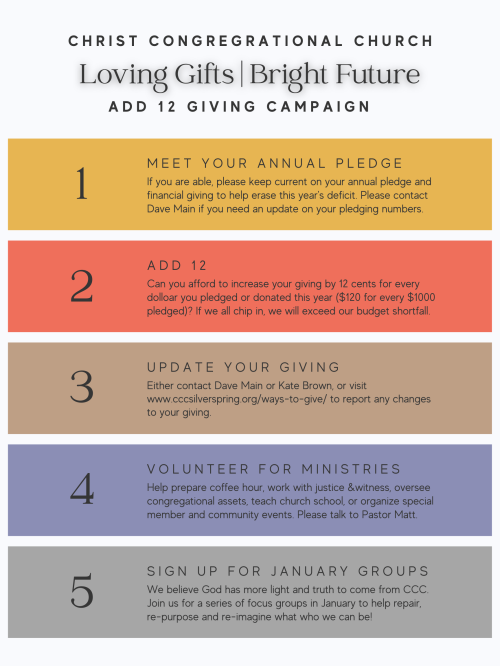
What if your church’s giving campaign could feel less like a financial transaction and more like a joyful celebration of shared purpose? Imagine transforming the act of giving into an experience that unites your congregation—not just in spirit, but in tangible, collective action. The challenge, though, is making generosity feel exciting rather than obligatory, especially when budgets, apathy, or competing priorities threaten to dilute the mission. How do you ignite a spark that turns passive donors into passionate participants? The answer lies in reimagining the campaign as a vibrant, community-driven journey rather than a perfunctory ask.
Why a Giving Campaign Needs More Than Just a Goal
A giving campaign isn’t merely about hitting a fundraising target—it’s about fostering a culture where generosity feels like second nature. Yet, too often, these initiatives are launched with a sterile spreadsheet and a polite email, leaving congregants feeling like numbers on a ledger rather than vital contributors to a shared vision. The antidote? Infuse the campaign with storytelling, creativity, and a sense of adventure. When people see the tangible impact of their gifts—whether it’s feeding the hungry, supporting youth programs, or revitalizing the sanctuary—they’re far more likely to engage deeply. The key is to frame giving not as a duty, but as an opportunity to be part of something transformative.
Spark Curiosity with a Playful Challenge
What if your campaign started with a riddle instead of a request? “We need 12 acts of generosity to make this fall unforgettable—can you help us crack the code?” This playful framing disarms resistance by making the ask feel like a collaborative puzzle rather than a top-down demand. Consider gamifying the process: create a “12 Days of Giving” calendar where each day reveals a new way to contribute, from donating supplies to volunteering time. The element of surprise keeps engagement high, while the countdown creates urgency. For those who bristle at traditional appeals, this approach feels fresh, almost subversive—like they’re part of a secret mission rather than a fundraising drive.
Turn Donors into Storytellers
People give to people, not to spreadsheets. The most compelling campaigns leverage the power of personal narratives to bridge the gap between generosity and impact. Invite congregants to share their own stories of how the church has shaped their lives—whether through a crisis averted, a relationship mended, or a dream realized. These testimonials, shared in sermons, newsletters, or even short video clips, humanize the ask. When someone hears, “My child found solace here during a difficult time,” the abstract concept of “supporting the church” suddenly becomes deeply personal. The challenge? Encouraging vulnerability. Not everyone is comfortable sharing, so provide multiple avenues for participation—anonymous notes, group discussions, or even a “story booth” where members can record their experiences.
Make Giving Visible and Celebratory
Generosity thrives in a culture of celebration. Instead of hiding donations behind closed doors, make them a spectacle of joy. Host a “Giving Festival” where congregants can see real-time updates of progress toward the goal, projected on a screen with confetti animations and cheers. Create a “Wall of Impact” where each gift—no matter the size—is represented by a colorful tile that collectively forms a mosaic symbolizing the campaign’s theme. The visual spectacle reinforces that every contribution matters, while the communal energy turns giving into a shared triumph. The challenge here is balancing transparency with tact; ensure the display is uplifting, not shaming, and always frame it as a celebration of what’s possible when we come together.
The Power of Peer-to-Peer Fundraising
Why rely solely on the pulpit when your congregation’s most passionate members can be your greatest advocates? Peer-to-peer fundraising flips the script by empowering individuals to rally their own networks around the campaign. Provide them with toolkits—social media templates, email drafts, and talking points—to share their personal connection to the cause. The challenge? Overcoming the fear of asking. Many people hesitate to solicit donations from friends, worrying about seeming pushy or awkward. Counter this by framing it as an invitation to join a movement, not a plea for money. Offer coaching sessions on how to communicate the “why” behind the ask, and remind participants that their authenticity will resonate far more than a polished pitch.
Incentivize Participation Without Crossing Ethical Lines
Incentives can be a double-edged sword—used thoughtfully, they can spark excitement; used carelessly, they can cheapen the act of giving. The goal is to create rewards that enhance the experience without making generosity feel transactional. Consider non-monetary perks like exclusive behind-the-scenes tours of the church’s community projects, a special recognition in the bulletin for top contributors, or a “Golden Donor” lunch with the pastor. For families, offer a family-friendly volunteer opportunity tied to the campaign, such as packing care packages for the homeless. The challenge is ensuring these incentives align with your church’s values—avoid anything that feels like a bribe, and always tie rewards back to the mission. After all, the real prize is the collective joy of making a difference.
Address the Elephant in the Room: Financial Anxiety
Money is a sensitive topic, and even in the most generous congregations, financial stress can paralyze generosity. Acknowledge this head-on by framing the campaign as an opportunity to alleviate shared burdens, not just fund programs. Share stories of how past gifts have eased burdens—whether it’s keeping the lights on during a tough month or launching a new outreach. Use language that focuses on abundance rather than scarcity: “Together, we can ensure this ministry thrives” versus “We’re struggling to meet our budget.” The challenge is to normalize conversations about money without making it the centerpiece. Provide resources for financial literacy workshops or one-on-one budgeting sessions, showing that the church cares about the whole person, not just their wallet.
Leave Room for the Unexpected
The most memorable campaigns are those that embrace spontaneity. What if a congregant’s unexpected gift—perhaps from an inheritance or a bonus—could unlock a matching challenge, doubling the impact of others’ contributions? Or what if a local business offered to match donations up to a certain amount, but only if the church could rally 50 new donors in a week? These unscripted moments create buzz and demonstrate that generosity begets generosity. The challenge is staying agile enough to seize these opportunities when they arise. Designate a small team to monitor trends, brainstorm creative twists, and adapt the campaign’s messaging in real time. The result? A campaign that feels alive, responsive, and full of surprises.
The art of a giving campaign lies not in the ask itself, but in the story you weave around it. When you transform generosity from a chore into a celebration, when you invite people to see themselves as heroes of the narrative, and when you make the process as joyful as the outcome, you don’t just raise funds—you build a community that’s stronger, more connected, and more generous than ever before. The question isn’t whether your congregation will give, but how deeply they’ll want to be part of what you’re building together.

