

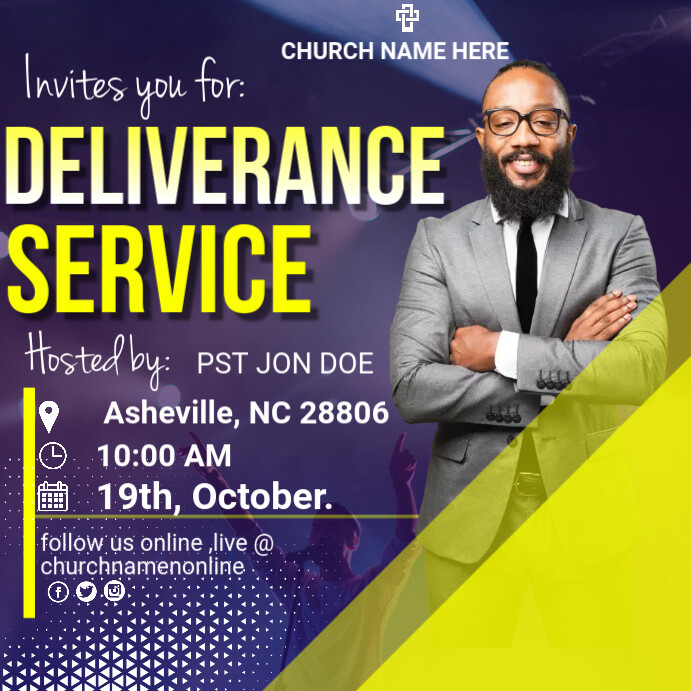
Launching a church deliverance campaign is not merely an event—it’s a spiritual awakening, a sacred mobilization where faith meets action, and the divine intersects with the human soul. It’s a season of breakthrough, where chains are shattered, hearts are healed, and lives are transformed by the power of God. But how do you orchestrate such a campaign with intentionality, depth, and lasting impact? Whether you’re a seasoned pastor, a passionate ministry leader, or a devoted believer stepping into unfamiliar territory, this guide will illuminate the path forward. From foundational theology to practical execution, we’ll explore the key components that turn a deliverance campaign from a fleeting moment into a movement of God.
Theological Foundation: Understanding Deliverance as a Biblical Imperative
Before crafting sermons or scheduling prayer sessions, ground your campaign in Scripture. Deliverance isn’t a fringe doctrine—it’s woven into the fabric of the Gospel. Jesus’ earthly ministry was marked by exorcisms, healing, and the casting out of unclean spirits (Mark 1:23–26, Luke 4:33–35). His commission to the disciples included authority over demons (Matthew 10:1), and the early church continued this mandate (Acts 8:6–7, 16:16–18). Deliverance is not about sensationalism; it’s about restoring the image of God in individuals who have been marred by spiritual oppression. A campaign rooted in sound theology avoids extremes—neither dismissing demonic influence as mere metaphor nor overemphasizing it to the point of fear. Instead, it presents deliverance as a natural extension of Christ’s victory on the cross, where every chain finds its end.
Assessing Community Needs: Diagnosing the Spiritual Climate
Every congregation carries a unique spiritual fingerprint. Some communities wrestle with generational curses, others with addiction, trauma, or occult entanglements. A successful deliverance campaign begins with a thorough spiritual audit. Conduct surveys, host listening sessions, and engage with local leaders to identify recurring themes—broken families, chronic illness, unexplained fears, or patterns of sin that seem resistant to change. This isn’t about gossip; it’s about pastoral wisdom. Use anonymous questionnaires or one-on-one interviews to uncover hidden burdens. The goal? To tailor your campaign not just to general needs, but to the specific cries of the people you’re called to serve. A campaign that speaks to the heart of a community’s pain will resonate far deeper than a generic call to prayer.
Building a Prayer Army: Mobilizing the Saints for Spiritual Warfare
Deliverance is not a solo endeavor. It’s a corporate act of war where the Body of Christ stands in unity. Begin by assembling a dedicated prayer team—intercessors who are spiritually mature, discerning, and committed to fasting and prayer. These warriors should be trained in spiritual mapping, recognizing territorial spirits, and praying with authority. Schedule weekly prayer vigils where testimonies of breakthrough are shared and Scripture is declared over the community. Equip them with tools like the Armor of God (Ephesians 6:10–18) and teach them to pray in the Spirit. The strength of your campaign will rise or fall on the fervency of your prayer life. A lukewarm prayer base yields lukewarm results. But a fire of intercession? That’s how walls fall.
Preaching with Prophetic Precision: Crafting Messages That Break Chains
Your sermons must do more than inform—they must dismantle strongholds. Structure your messages around themes like “The Authority of the Believer,” “Breaking Generational Curses,” and “The Blood of Jesus as a Weapon.” Use vivid storytelling—personal testimonies, historical accounts of revival, or even fictional parables—to illustrate spiritual truths. Avoid theological jargon; instead, speak in the language of the people. A farmer in rural America and a tech worker in the city both need to hear that Jesus is stronger than their struggles. Incorporate declarations—short, powerful phrases like “Every spirit of fear must bow!”—that the congregation can shout aloud. And don’t just preach deliverance; demonstrate it. Invite testimonies during services, pray for individuals publicly, and create an atmosphere where the Holy Spirit can move without restraint.
Structuring the Campaign: From Kickoff to Closing Night
A well-orchestrated deliverance campaign follows a rhythm—like a symphony with crescendos and pauses. Begin with a powerful launch event: a night of worship, prophetic ministry, and a clear call to repentance and surrender. Follow with midweek services focused on teaching and activation—where people are equipped to take authority in their own lives. Schedule special nights for deliverance prayer, where trained teams pray one-on-one with individuals, using Scripture, the laying on of hands, and declarations of freedom. End with a closing celebration—a night of thanksgiving, where testimonies are shared and the community is commissioned to walk in their newfound freedom. Each phase should build on the last, creating momentum that carries people from curiosity to transformation.
Training and Equipping: Raising Up Deliverance Ministers
Not everyone is called to be a deliverance minister, but every believer can learn to minister in freedom. Host training sessions on spiritual discernment, how to recognize demonic influence, and the proper use of Scripture in deliverance. Teach about the importance of personal holiness—deliverance is not a magic trick; it requires repentance, forgiveness, and a surrendered heart. Equip your team with practical tools: prayer guides, Scripture cards, and protocols for handling sensitive situations. Emphasize safety—never pray alone, always have accountability, and know when to refer someone to professional counseling or medical care. The goal isn’t to create a class of “experts,” but to raise up a community that walks in the authority Jesus has given them.
Creating Sacred Spaces: Designing Environments for Encounter
Atmosphere matters. The physical space where deliverance occurs should reflect reverence, peace, and the presence of God. Use soft lighting, worship music, and symbols of faith—crosses, banners, open Bibles—to set the tone. Consider creating a “prayer altar” where people can come forward for ministry. Play ambient sounds like flowing water or gentle rain to drown out distractions. Train ushers to be gentle, patient, and discerning—recognizing when someone is under spiritual attack or emotionally overwhelmed. The environment should feel like a sanctuary, not a circus. When people enter, they should sense the Holy Spirit’s presence, not the pressure of performance.
Handling Opposition: Navigating Spiritual and Emotional Resistance
Not everyone will welcome your campaign. Some may mock it. Others may resist out of fear or pride. Expect spiritual opposition—attacks on your health, finances, or relationships. Stay grounded in prayer and Scripture. When people resist, don’t argue—pray. Ask the Holy Spirit to reveal the root of their resistance. Sometimes it’s unbelief; other times it’s trauma or past wounds. Be patient. Deliverance is a process, not a one-time event. Some people will walk away healed; others will need months of follow-up. Don’t be discouraged by slow progress. Every soul set free is worth the fight.
Follow-Up and Discipleship: Ensuring Lasting Freedom
A campaign’s success isn’t measured by the number of people who attend, but by the number who remain free. Develop a discipleship pathway for new believers and those set free. Offer small groups focused on healing, freedom, and spiritual growth. Provide resources like devotionals, prayer journals, and accountability partners. Teach them to guard their hearts—deliverance is not a one-time event, but a daily surrender. Schedule monthly “Freedom Nights” where people can return for prayer and encouragement. Connect them with mentors who can walk with them long-term. Freedom without discipleship is like a seed planted but never watered—it won’t grow.
Measuring Impact: Tracking Transformation Beyond the Campaign
How do you know if your campaign worked? Look beyond attendance numbers. Track stories of healing, restored relationships, and changed lives. Survey participants three months later to see if breakthroughs have held. Measure spiritual growth—are people reading Scripture more? Praying more? Serving more? The true fruit of deliverance isn’t just emotional relief; it’s a life reoriented toward Christ. Celebrate every victory, no matter how small. And when setbacks occur, don’t despair—use them as opportunities to refine your approach and deepen your trust in God.

