

In the quiet corners of pews and the bustling corridors of community centers, a silent revolution is unfolding—one that transcends the boundaries of faith and psychology. Mental health, once shrouded in stigma and whispered about in hushed tones, is now stepping into the light of collective understanding. Churches, long seen as bastions of spiritual solace, are uniquely positioned to become sanctuaries of psychological healing. This is not merely a call to action; it is an invitation to reimagine the role of faith communities in fostering mental wellness. The intersection of spirituality and mental health is not a fleeting trend but a profound opportunity to bridge divides, dismantle stigmas, and cultivate environments where healing begins with a shared sense of belonging.
The Sacred and the Scientific: A Paradigm Shift in Mental Health Care
For centuries, the church has been a cornerstone of emotional and spiritual support. Yet, the modern era demands a fusion of ancient wisdom and contemporary science. Mental health is no longer confined to the sterile walls of clinics; it thrives in the warmth of communal spaces where empathy is the currency and understanding is the language. Churches possess an unparalleled capacity to destigmatize mental health struggles by framing them not as moral failings but as human experiences worthy of compassion and care. This shift in perspective is not about replacing clinical treatment but about creating a holistic ecosystem where faith and science coexist in harmony.
The pulpit, once reserved for sermons on salvation, can now echo with messages of hope for those grappling with anxiety, depression, or trauma. By integrating evidence-based mental health resources—such as support groups, counseling referrals, and educational workshops—churches can transform into hubs of holistic well-being. The key lies in recognizing that mental health is not a sign of weakness but a testament to our shared humanity. When congregations embrace this truth, they become architects of a new narrative, one where healing is not a solitary journey but a communal pilgrimage.
From Silence to Solidarity: Breaking the Chains of Stigma
Stigma is the invisible shackle that keeps millions from seeking help. In many faith communities, the fear of judgment looms larger than the fear of the struggle itself. The church, however, has the power to shatter these chains by fostering open dialogues about mental health. Imagine a Sunday service where a pastor shares their own journey with anxiety, or a small group where members courageously voice their battles with depression. These moments of vulnerability are not signs of fragility but of strength—a strength that ripples through the congregation, emboldening others to seek the support they need.
But words alone are not enough. Churches must pair their rhetoric with tangible actions. Hosting mental health awareness events, partnering with licensed therapists, and training volunteers in active listening are just a few ways to translate solidarity into practice. The goal is not to medicalize faith but to humanize mental health, ensuring that no one feels alone in their struggle. When a church becomes a safe harbor for these conversations, it ceases to be merely a place of worship and transforms into a sanctuary of healing.
The Power of Community: How Collective Care Transforms Lives
Isolation is the silent killer of mental health. In a world that often prioritizes individualism, the church stands as a countercultural force—a place where community is not just encouraged but celebrated. The act of gathering, of sharing a meal, of praying together, is inherently therapeutic. It reminds individuals that they are seen, heard, and valued. For those battling loneliness or the weight of emotional distress, the church can be a lifeline, offering a sense of belonging that transcends the superficial connections of modern life.
Yet, community care extends beyond the Sunday service. Small groups, mentorship programs, and volunteer initiatives can create networks of support that endure beyond the confines of the sanctuary. Consider a young adult struggling with self-worth—what if their church paired them with a mentor who walked a similar path? Or a single parent overwhelmed by stress—what if their congregation rallied to provide childcare and meals? These acts of collective care are not just charitable gestures; they are lifelines that affirm the inherent dignity of every individual. In the embrace of a supportive community, healing is not just possible—it is inevitable.
Faith as a Catalyst: Reimagining Spiritual Practices for Mental Wellness
Spiritual practices are not mere rituals; they are tools for resilience. Prayer, meditation, and scripture reading can be powerful antidotes to the chaos of modern life. For centuries, these practices have provided solace to the weary and hope to the despairing. Yet, their potential for mental health is often overlooked. What if churches reimagined their spiritual disciplines as pathways to emotional healing? What if a guided meditation before service became a moment of centering, or a Bible study on resilience became a space for processing grief?
The integration of faith and mental health is not about prescribing divine solutions to human problems. Instead, it is about recognizing that spiritual practices can complement therapeutic interventions. For instance, mindfulness rooted in faith can help individuals ground themselves in the present moment, while communal worship can foster a sense of connection that counters feelings of isolation. The church’s role is not to replace professional help but to enhance it, offering a holistic approach to wellness that nourishes both the soul and the mind.
Youth as the Vanguard: Equipping the Next Generation for Mental Health
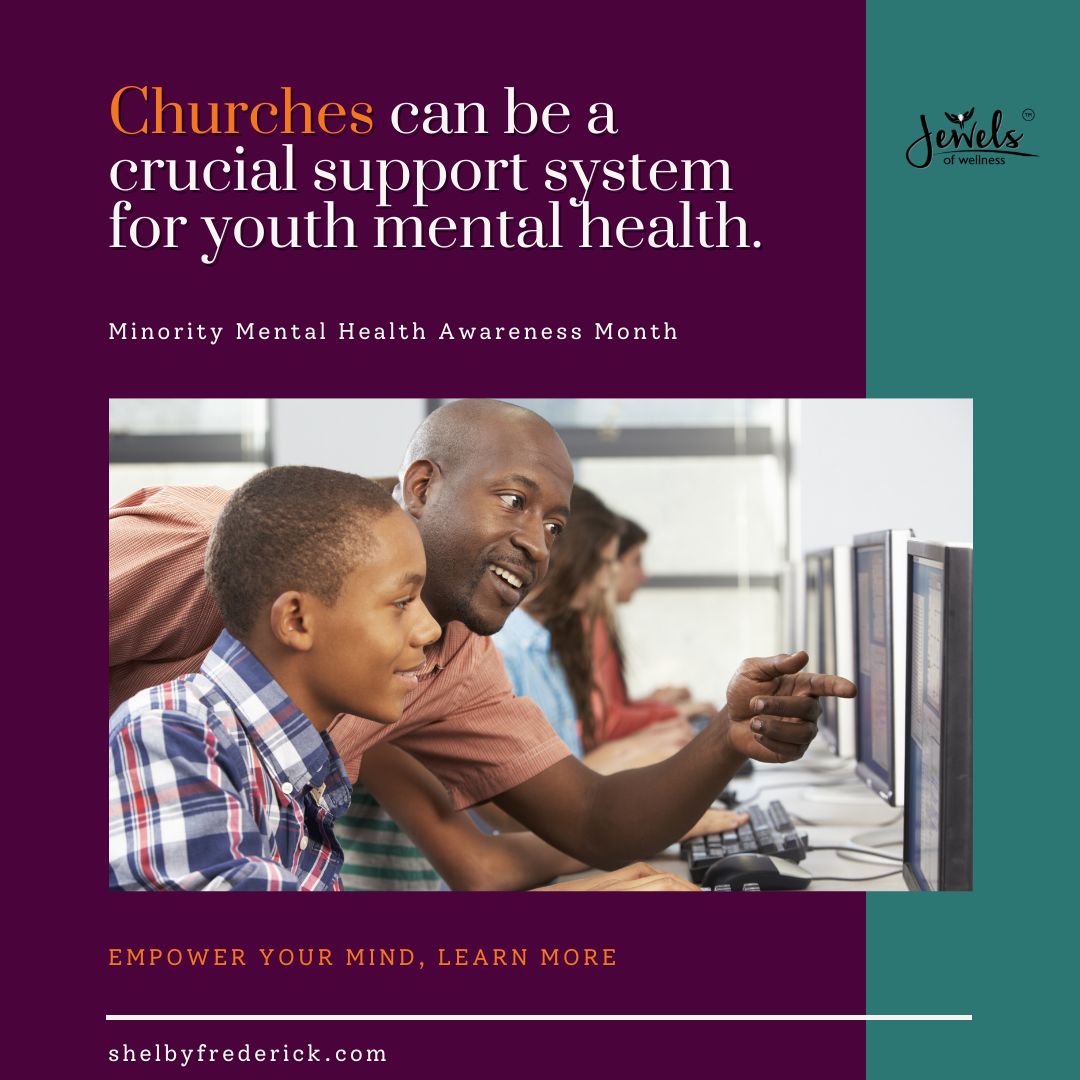
The mental health crisis among youth is not a distant threat; it is a present reality. Young people today face unprecedented pressures—academic stress, social media comparison, and existential anxiety about the future. Churches have a unique opportunity to stand as beacons of hope for this generation. By creating youth programs that prioritize mental health, churches can equip young people with the tools they need to navigate life’s challenges with resilience and faith.
Imagine a youth group where mental health is discussed as openly as faith. Where workshops on emotional regulation are as common as Bible studies, and where mentors are trained to recognize signs of distress. These initiatives are not about diluting the gospel but about contextualizing it in a way that resonates with the lived experiences of young people. When churches invest in the mental health of their youth, they are not just shaping the future of their congregation—they are shaping the future of a generation.
Overcoming Barriers: Practical Steps for Churches to Embrace Mental Health
Change is never easy, and the journey toward integrating mental health into church life will inevitably encounter obstacles. Fear of the unknown, resistance to change, and limited resources are just a few of the hurdles that congregations may face. Yet, these barriers are not insurmountable. The first step is to acknowledge the need for change and to commit to it wholeheartedly. Churches can start small—hosting a mental health awareness Sunday, inviting a guest speaker, or forming a task force dedicated to the cause.
Collaboration is also key. Partnering with local mental health professionals, nonprofits, and other faith communities can amplify the impact of these efforts. Training volunteers in mental health first aid, creating resource libraries, and offering pastoral care that extends beyond spiritual guidance are practical ways to bridge the gap between faith and mental health. The goal is not perfection but progress—a willingness to learn, adapt, and grow in the service of those who need it most.
The Ripple Effect: How Church-Led Mental Health Initiatives Transform Communities
The impact of a church’s mental health initiatives extends far beyond its walls. When a congregation embraces mental wellness as a core value, it sends a powerful message to the broader community. Other faith groups may be inspired to follow suit, creating a ripple effect of change. Schools, workplaces, and local organizations may also take note, fostering a culture of mental health awareness that transcends religious boundaries.
Moreover, churches that prioritize mental health become beacons of hope in a world that often feels fractured and isolating. They demonstrate that faith is not a shield against suffering but a source of strength in the midst of it. In doing so, they challenge the status quo and redefine what it means to be a community of care. The transformation begins with a single step—a willingness to see mental health not as a peripheral issue but as a central pillar of holistic well-being.

