

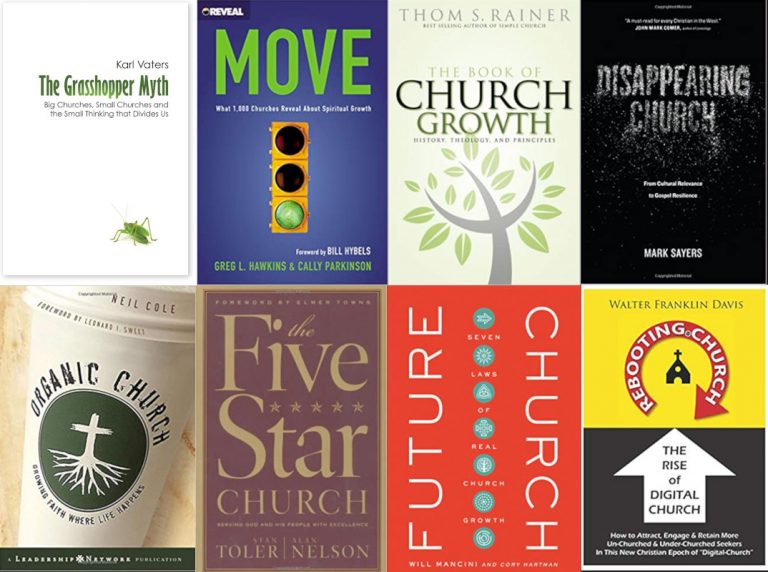
In the vast, ever-shifting landscape of faith and community, few pursuits are as vital—or as challenging—as nurturing a thriving church. Like a gardener tending to delicate seedlings, pastors and ministry leaders must cultivate not just sermons and fellowship, but the very soil of spiritual growth. The right books can be the water, sunlight, and nutrients that transform a struggling congregation into a flourishing garden of faith. Whether you’re seeking to ignite a spark in a weary flock, strategize for sustainable expansion, or simply deepen your own understanding of ministry, the right literature can be your compass in uncharted territory. These aren’t just books; they’re blueprints for revival, mirrors for self-reflection, and bridges to the divine. Let’s embark on a journey through the most transformative works that have shaped modern ministry, each offering a unique lens to see, serve, and grow.
The Foundational Texts: Where Ministry Meets Mastery
Every great ministry begins with a single, unshakable truth: growth is not merely a numbers game, but a sacred art. The foundational texts on church growth are less about tactics and more about theology—rooting every strategy in the bedrock of biblical wisdom. Works like Purpose Driven Church by Rick Warren and Simple Church by Thom Rainer and Eric Geiger don’t just offer step-by-step guides; they redefine what it means to be a church. They challenge the notion that bigger is always better, instead advocating for clarity, intentionality, and alignment with God’s mission. These books are like the North Star for pastors: unwavering, illuminating, and impossible to ignore. They remind us that growth begins not with programs or promotions, but with a clear, compelling vision of who we are called to be.
The genius of these foundational texts lies in their ability to distill complex ideas into digestible, actionable wisdom. They speak in parables of modern ministry, using real-world examples to illustrate timeless principles. Warren’s emphasis on the five purposes of the church—worship, fellowship, discipleship, ministry, and evangelism—isn’t just a framework; it’s a mirror reflecting the multifaceted nature of spiritual life. These books don’t just tell you what to do; they help you see why it matters, weaving together scripture, psychology, and practical experience into a tapestry of ministry excellence.
The Innovators: Breaking the Mold of Tradition
While tradition provides stability, innovation fuels relevance. The most dynamic churches today are those that dare to question the status quo, blending ancient truths with contemporary creativity. Books like The Innovative Church by William E. Avery and Deep and Wide by Andy Stanley explore how to marry orthodoxy with out-of-the-box thinking. They argue that growth isn’t stifled by change but ignited by it. These works are the manifestoes of the ministry revolutionaries, those who see stagnation not as a sign of faithfulness, but as a call to reinvention.
Consider the metaphor of a river: a church that flows with the current of culture while remaining anchored to its source is one that thrives. The innovators among us understand this implicitly. They recognize that the gospel is eternal, but its expression must evolve. These books are not about abandoning tradition for the sake of novelty; they’re about discovering how to let tradition breathe in new ways. They challenge pastors to ask: What if we approached discipleship like a startup? Or, What if our worship services were designed like the most engaging TED Talks? The answers may surprise you—and they may just transform your ministry.
The Discipleship Dilemma: From Conversion to Maturity
Growth isn’t measured solely by the number of seats filled on Sunday, but by the depth of transformation in each believer. The discipleship dilemma is one of the most pressing challenges facing modern churches: how do we move people from spiritual infancy to maturity? Books like Transformational Discipleship by Dann Spader and DiscipleShift by Jim Putman and Bobby Harrington tackle this head-on, framing discipleship not as a program, but as a way of life. They argue that true growth happens in the trenches of relationship, not in the sterile environment of a classroom.
Imagine discipleship as a campfire: it starts with a single spark, but it requires constant tending—fuel, oxygen, and care—to burn brightly. These books teach us that the fire of faith isn’t lit once and left to smolder; it must be nurtured through intentional relationships, accountability, and a relentless pursuit of Christlikeness. They challenge the consumerist mentality that often infiltrates church culture, where people come for what they can get rather than what they can give. The best discipleship models are those that create a culture of ownership, where every believer is both a student and a teacher, a seeker and a guide.
The Digital Frontier: Ministry in the Age of Algorithms
The digital age has reshaped the way we connect, communicate, and consume—including our faith. Churches that ignore the online world risk becoming relics of a bygone era. Books like Digital Mission by John Dyer and The Church of Facebook by Jesse Rice explore how technology can be harnessed for the kingdom. They aren’t just about livestreaming sermons or creating Instagram posts; they’re about reimagining ministry in a hyper-connected world. These works are the cartographers of the digital frontier, mapping out territories where faith and technology intersect.
Think of the internet as a vast, untamed jungle—full of both danger and opportunity. The digital frontier is where the next generation of believers will be found, where conversations about faith happen in comment threads and TikTok videos. These books equip pastors to navigate this landscape with wisdom, creativity, and discernment. They remind us that technology is a tool, not a replacement for the gospel, but a powerful amplifier of its message. The churches that thrive in this era will be those that embrace the digital world without losing sight of the human heart at its core.
The Leadership Labyrinth: Navigating the Complexities of Ministry
No discussion of church growth would be complete without addressing the elephant in the room: leadership. The labyrinth of ministry leadership is fraught with challenges—burnout, conflict, vision drift, and the crushing weight of responsibility. Books like Leaders Who Last by Dave Kraft and The Emotionally Healthy Leader by Peter Scazzero offer lifelines for those navigating these treacherous waters. They are the survival guides for pastors, equipping them with the tools to lead with resilience, emotional intelligence, and spiritual vitality.
Leadership in ministry is like climbing a mountain: the higher you go, the thinner the air becomes, and the more you rely on your team—and your faith—to keep moving forward. These books don’t just offer strategies; they delve into the soul of leadership, asking hard questions about identity, calling, and sustainability. They challenge the myth of the lone ranger pastor, instead advocating for a model of leadership that is collaborative, humble, and deeply rooted in Christ. The best leaders are not those who have all the answers, but those who are willing to ask the right questions—and keep asking them, even when the path is unclear.
The Future of Growth: Emerging Trends and Uncharted Territories
The future of church growth is being written today, in the margins of society, the digital ether, and the hearts of a new generation. Books like The Post-Christian West by various authors and Future Church by William H. Willimon explore the shifting cultural landscape and what it means for ministry. They are the crystal balls of the church world, offering glimpses into a future where traditional models may no longer suffice. These works are not about predicting the future, but about preparing for it—equipping leaders to engage with a world that is increasingly skeptical, diverse, and hungry for authenticity.
Imagine the church of the future as a mosaic: each piece unique, each color vibrant, and the whole greater than the sum of its parts. The trends shaping this mosaic—multiculturalism, decentralization, experiential faith—are not threats to be resisted, but opportunities to be embraced. These books challenge pastors to think beyond the four walls of the church, to see ministry as a movement rather than an institution. They remind us that growth isn’t just about filling pews, but about transforming lives—and the world—one person at a time.

