

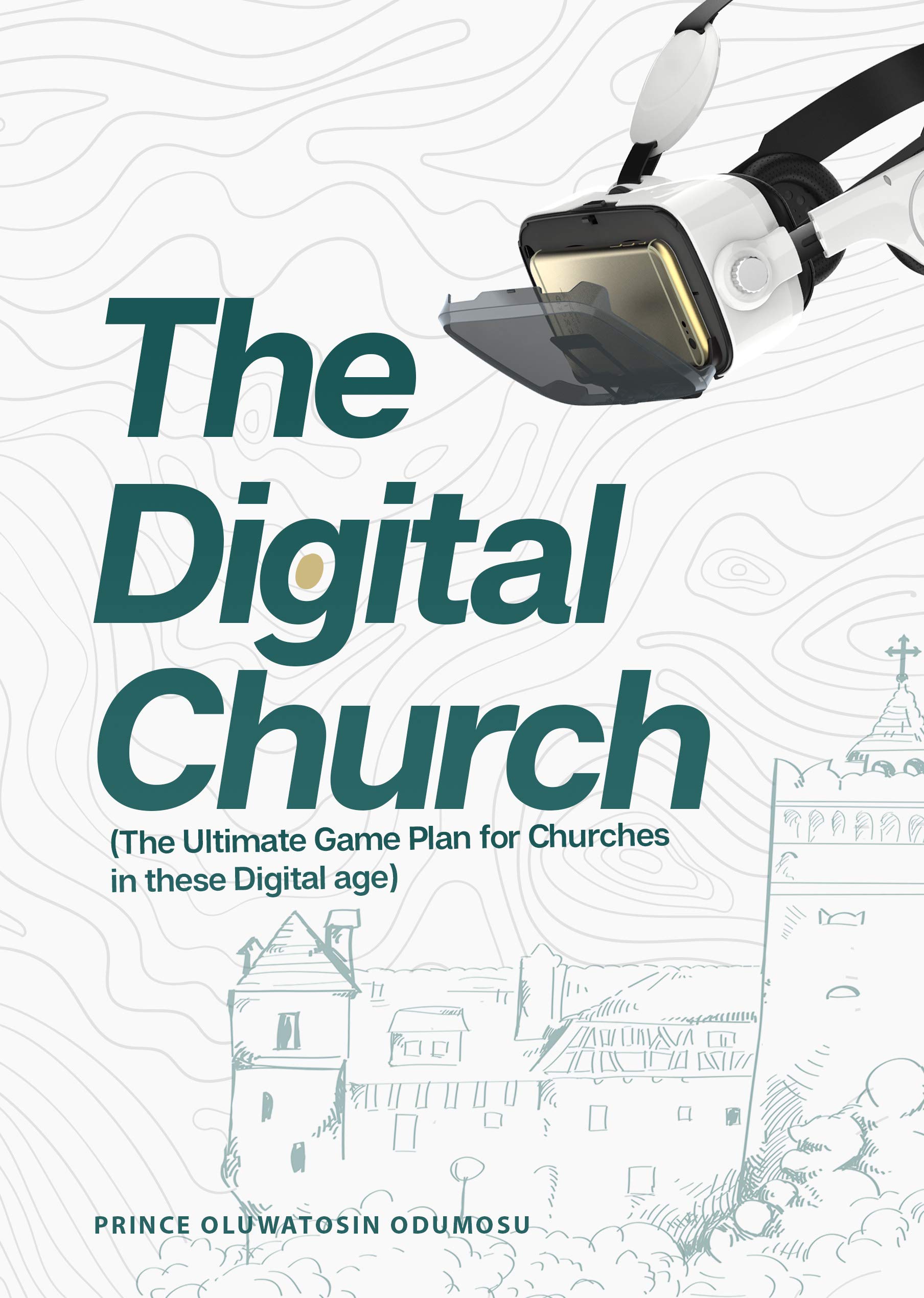
The modern church stands at a crossroads where ancient hymns meet fiber-optic cables, where stained-glass windows cast light on digital screens, and where the pulpit now extends beyond the sanctuary into the vast, interconnected web of the digital age. Technology is no longer an optional accessory for ministry—it is the new mission field, the uncharted territory where souls are nourished, communities are formed, and the Gospel is proclaimed in pixels and bandwidth. Yet, navigating this digital frontier requires more than just a Wi-Fi connection; it demands wisdom, strategy, and a deep understanding of how faith and technology intersect. This is where the right books become indispensable guides, illuminating the path forward with clarity, creativity, and conviction.
The Digital Sanctuary: Reimagining Worship in a Connected World
Imagine stepping into a sanctuary where the walls are not made of stone but of code, where the congregation gathers not in pews but in virtual pews, and where the sermon transcends the boundaries of time and space. This is the digital sanctuary—a place where technology doesn’t dilute the sacred but amplifies its reach. Books on digital ministry often begin by dismantling the myth that technology and spirituality are incompatible. Instead, they reveal how digital platforms can become extensions of the church’s mission, offering worship experiences that are immersive, interactive, and deeply personal. From live-streamed services that bridge continents to AI-driven sermon assistants that tailor messages to individual spiritual needs, the digital sanctuary is a testament to the church’s adaptability in an ever-changing world. The key lies in viewing technology not as a replacement for tradition but as a tool to enhance it, to make the timeless truths of the Gospel resonate in the language of the digital native.
From Pulpit to Pixel: Crafting a Digital Preaching Strategy
Preaching has always been about communication—the art of conveying truth in a way that captivates, convicts, and converts. In the digital age, this art form evolves into a multimedia symphony, where words are no longer confined to spoken sermons but are amplified through video, podcasts, social media, and interactive apps. A well-crafted digital preaching strategy doesn’t just repurpose a Sunday sermon for YouTube; it reimagines it entirely. It leverages the power of storytelling, using visuals and sound to create an emotional resonance that text alone cannot achieve. Books on this topic delve into the psychology of digital engagement, teaching pastors how to structure their messages for maximum impact in a world where attention spans are fleeting and algorithms dictate visibility. They explore the nuances of tone—how a 30-second Instagram Reel can carry the same weight as a 30-minute sermon if the message is distilled to its essence. The goal is not to dilute the Gospel but to distill it, making it accessible without sacrificing its depth.
The Virtual Communion: Building Digital Discipleship Communities
Discipleship has always thrived in community—the shared meals, the late-night conversations, the accountability of fellow believers walking the same path. But what happens when that community exists primarily in the digital realm? The virtual communion is not a lesser version of the real thing; it is a new frontier of connection, where geography is no longer a barrier and the Holy Spirit moves in ways that transcend screens. Books on digital discipleship emphasize the importance of intentionality—creating spaces where believers can grow together, even when they are miles apart. This might mean hosting small group discussions on Zoom, using apps like Discord for prayer chains, or leveraging gamification to encourage daily Bible reading. The challenge is to foster authenticity in an environment where superficial interactions are the norm. The solution lies in designing digital spaces that prioritize vulnerability, accountability, and mutual edification, turning pixels into pathways for spiritual growth.
Ethics in the Algorithm: Navigating the Moral Landscape of Digital Ministry
With great power comes great responsibility, and nowhere is this truer than in the realm of digital ministry. Algorithms shape what people see, hear, and believe, often without their conscious awareness. This raises profound ethical questions: How do we ensure that our digital outreach doesn’t become a echo chamber of confirmation bias? How do we protect the vulnerable from misinformation or exploitation in the name of evangelism? Books on this topic serve as moral compasses, guiding leaders through the complexities of digital ethics. They challenge the church to ask hard questions—about data privacy, about the commodification of faith, about the digital divide that leaves some communities behind. The most compelling works don’t just offer solutions; they invite readers to grapple with the tension between innovation and integrity, between reach and responsibility. The goal is not to shy away from technology but to wield it with wisdom, ensuring that the digital ministry reflects the love, justice, and truth of Christ.
The Church as a Tech Startup: Innovation and Adaptability in Ministry
Startups are defined by their agility, their willingness to pivot, and their hunger to solve problems in ways no one else has considered. What if the church adopted this mindset? The modern church is not just a religious institution; it is a movement, and movements thrive on innovation. Books that explore the church as a tech startup challenge traditional models of ministry, encouraging leaders to think like entrepreneurs. This means embracing failure as a stepping stone to success, testing new ideas with small-scale experiments, and being willing to abandon what no longer works. It means leveraging data to understand the needs of the community, using analytics to refine outreach strategies, and adopting an experimental mindset that sees every challenge as an opportunity for growth. The church that innovates doesn’t just survive the digital age—it thrives in it, becoming a beacon of hope in a world hungry for authenticity and relevance.
From Click to Conversion: The Art of Digital Evangelism
Evangelism has always been about meeting people where they are, and in the digital age, that means meeting them where they scroll, swipe, and search. The journey from click to conversion is a delicate dance—one that requires both artistry and strategy. Books on digital evangelism break down the process into actionable steps, teaching leaders how to craft compelling online content that draws people in and guides them toward faith. This might involve creating shareable devotionals, hosting live Q&A sessions on social media, or using targeted ads to reach those who might never step into a church. The key is to make the Gospel irresistible—not through manipulation, but through authenticity. The most effective digital evangelism doesn’t feel like a sales pitch; it feels like an invitation to a life-changing encounter with Christ. It’s about turning curiosity into conviction, and clicks into commitments.
The Future of Faith: Predicting the Next Wave of Digital Ministry
The digital landscape is in constant flux, and the church must be ready to ride the next wave of innovation. Books that explore the future of faith don’t just predict trends; they inspire leaders to become trendsetters. They delve into emerging technologies like virtual reality worship experiences, blockchain for transparent charitable giving, and AI-driven pastoral care tools. They challenge the church to think beyond the present, to imagine what ministry could look like in a world where virtual reality replaces physical gatherings or where decentralized digital communities redefine what it means to be the body of Christ. The future of faith is not something to fear but to embrace—a canvas of endless possibilities where technology and spirituality merge to create something truly extraordinary.

