

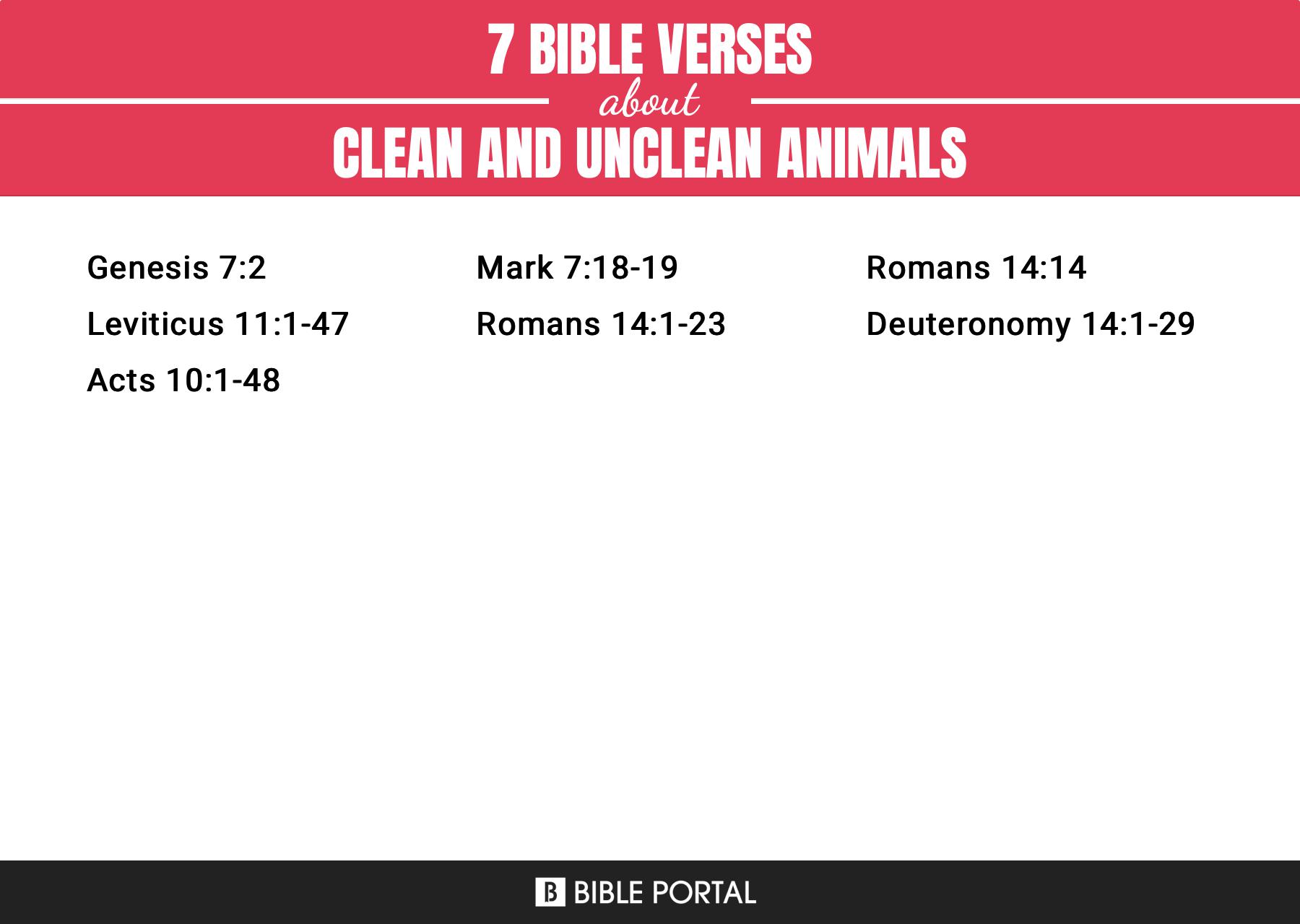
Throughout history, the notions of cleanliness and uncleanness have held significant theological and cultural implications. The Bible, particularly in the Old Testament, delineates a series of dietary laws that categorize animals into two distinct groups: clean and unclean. This classification serves not only as a guideline for dietary practices but also as a reflection of deeper spiritual truths and a means of fostering community identity.
Clean animals in the biblical context are primarily defined in the books of Leviticus and Deuteronomy. These texts outline specific characteristics that denote cleanliness, which serve as markers for acceptable food sources among the Israelites. For instance, mammals must possess split hooves and ruminate, or chew their cud—attributes found in animals such as sheep, cattle, and goats. In contrast to the unclean, these creatures symbolized purity and were seen as fit for sacrifice and consumption.
Among birds, the classification is not as neatly defined. The Bible lists certain birds as unclean, but it doesn’t specifically enumerate those considered clean. Generally, species that prey on other animals, like eagles and vultures, were deemed unclean, while pigeons and doves were accepted. Such distinctions raise intriguing questions about the biblical understanding of nature and the inherent qualities of different creatures.
A particularly fascinating category is that of aquatic animals, where the parameters for cleanliness are more straightforward. Only those creatures that possess fins and scales are accounted as clean, casting an illuminating light on ancient Israelite perceptions of the waters that surrounded them. Fish that do not meet these criteria, such as shellfish and eels, were labeled unclean, and their consumption was forbidden. This regulation highlights both practical considerations and a deeper symbolic resonance regarding the boundary between the familiar and the alien.
The underlying rationale for these dietary restrictions extends beyond mere health concerns. Many scholars propose that these laws were designed to cultivate a sense of holiness and differentiate the Israelites from their surrounding cultures. The act of consuming clean animals became a ritualistic practice, embedding the community in a shared set of beliefs and values. Thus, dietary choices transitioned from mundane decisions into profound expressions of faith.
Moreover, the notion of cleanliness is often clothed in metaphysical symbolism. Clean animals, according to biblical narratives, are representative of a state of grace, in contrast to unclean animals, which may symbolize sin and moral corruption. This dichotomy reflects larger biblical themes of purity and the need for redemption. For instance, the sacrificial lamb, a quintessential clean animal, evokes imagery of innocence and sacrifice, ultimately pointing towards the New Testament’s themes of atonement.
Interestingly, the discourse around clean and unclean animals has evolved over the centuries. In the New Testament, one can observe a radical shift in these dietary laws, particularly in the context of the early church. The vision of Peter, which asserts that all animals are clean, signals a seismic doctrinal shift that invites Gentiles into the fold without the burden of adhering to the Mosaic dietary laws. This theological evolution emphasizes a move from external rituals to internal purity, accentuating the broader message of inclusion and grace.
In conclusion, the classification of clean and unclean animals within the Bible transcends mere dietary restrictions. It serves as a profound exploration of identity, spirituality, and community. Each animal embodies a rich tapestry of symbolism, inviting deeper contemplation into the nature of purity and the complexities of the human experience. As such, these ancient guidelines continue to resonate today, provoking both reflection and reverence in diverse cultural contexts.

