

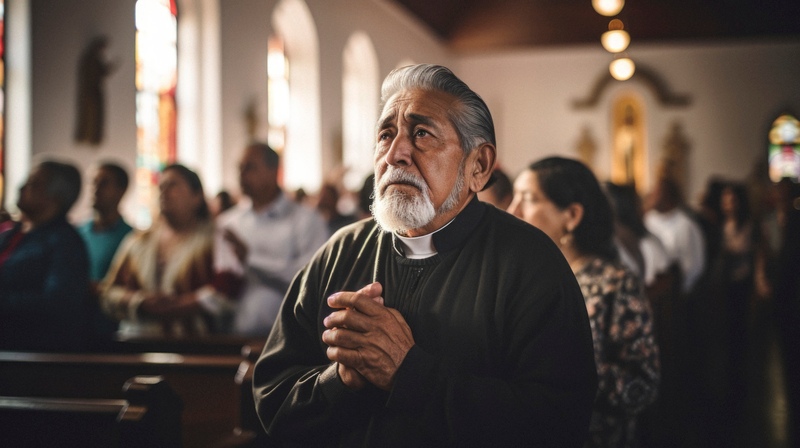
Prayer serves as a profound and multifaceted practice found at the heart of many religious traditions, most notably within the context of Christianity. It represents an intimate avenue through which believers can communicate with God, delve into their spirituality, and cultivate a deeper connection with the divine. As one explores what the Bible articulates about prayer, it becomes apparent that it is not merely a ritualistic element but an essential element of faith, imbued with profound significance and sage instruction.
At its core, the Bible presents prayer as an act of communion with God. This tenet is encapsulated in passages such as Philippians 4:6-7, which implores believers to “not be anxious about anything, but in everything by prayer and supplication with thanksgiving let your requests be made known to God.” Here, prayer is portrayed as a response to life’s unpredictability—an invitation to relinquish anxiety and instead place trust in divine providence. This transformation from worry to peace highlights the therapeutic essence of prayer, elucidating why many find themselves drawn to this spiritual practice, especially in times of distress.
Furthermore, the Bible elucidates the multiplicity of prayer’s forms. It can range from formal petitions to spontaneous whispers of gratitude. In 1 Thessalonians 5:16-18, believers are admonished to “rejoice always, pray without ceasing, give thanks in all circumstances.” This triad underscores the idea that prayer is not confined to significant moments alone but is woven throughout the fabric of daily life. This continuous state of prayer cultivates a persistent awareness of God, fostering a deeper spiritual connection and a temperament attuned to divine presence.
Additionally, the scriptures articulate a reciprocal relationship between prayer and divine intervention. James 5:16 states, “The prayer of a righteous person is powerful and effective.” This assertion compels one to ponder the volition behind prayer. Is it merely a wishful desire, or does it hold intrinsic power capable of influencing the courses of life? The notion that prayer can be effective transcends the realm of passive supplication; it posits fervent prayer as a catalyst for change—a theme echoed throughout numerous biblical narratives where prayer precipitates miraculous events.
Delving deeper, the Bible also addresses the posture of the heart in prayer. In Matthew 6:5-6, Jesus underscores the importance of sincerity over performative displays, stating that prayer should occur in one’s private space, devoid of ostentation. This admonition speaks to an essential truth: the relationship between the individual and God is intensely personal. Such authenticity in prayer speaks to a universal longing for genuine connection—a deeper understanding of oneself and one’s relationship with the divine.
Moreover, Jesus provides a poignant model through the Lord’s Prayer, found in Matthew 6:9-13. This prayer encapsulates key elements such as reverence, dependence, and supplication, illustrating the significance of aligning one’s will with God’s. The simplicity yet profundity of this prayer resonates through the ages, fostering a sense of communion and continuity among believers.
Ultimately, the Bible presents prayer as much more than an obligation—it unfolds as an exquisite dialogue that intertwines believers with the divine. It is a testament to faith’s dynamic nature, revealing how prayer can be both a refuge in tumultuous times and a wellspring of strength. Engaging in the act of prayer can evoke a multitude of emotions ranging from vulnerability to exuberance, signifying a deeply rooted human fascination with the sacred. In an ever-complex world, the simplicity of connecting with God through prayer offers solace and hope, encapsulating the essence of what it means to seek the divine in everyday life.

