

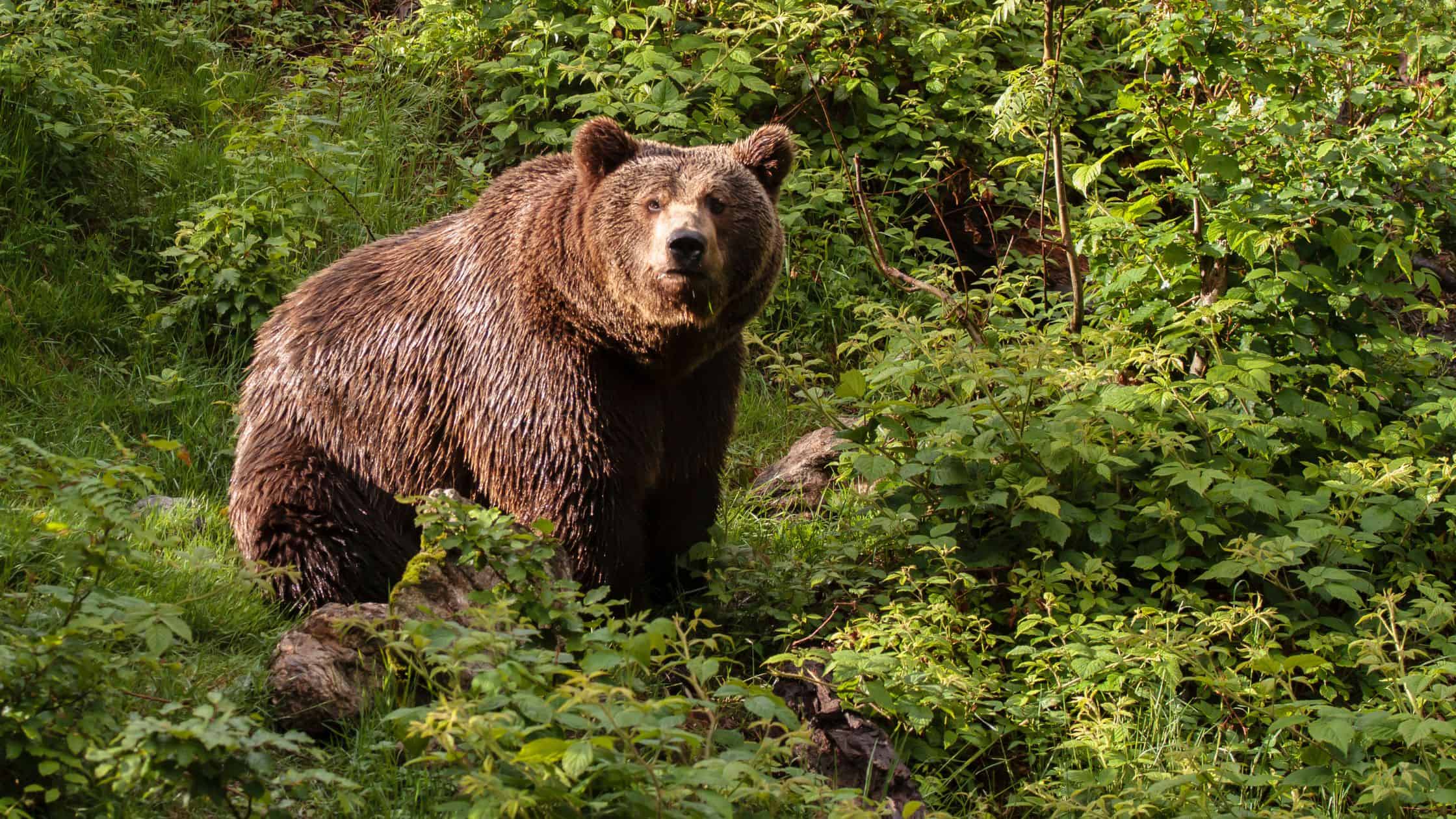
Bears, those formidable creatures of the wild, often evoke a dual sense of awe and trepidation in our collective psyche. In biblical literature, their symbolism transcends mere mentions; they invite profound contemplation and multilayered interpretations. Understanding what bears represent in the Bible requires delving into scriptural references, historical context, and the common observations surrounding these imposing animals.
In a plethora of scriptural passages, bears appear not as benign forest dwellers, but rather as harbingers of strength and ferocity. Notably, the Book of Proverbs employs the bear metaphorically, illustrating the dangers of a discontented spirit. Proverbs 17:12 states, “Let a bear robbed of her cubs meet a man, rather than a fool in his folly.” This vivid imagery serves to starkly depict the ferocity and protectiveness associated with bears, hence indicating the fierce nature of motherhood and the lengths to which one might go when provoked. Such symbolism speaks volumes about protective instincts and communal bonds deeply ingrained in the human experience.
Moreover, the prophetic visions of the Old Testament feature bears as symbols of power and judgment. Notably, in the Book of Daniel, bears represent empires that possess great might and ferocity. The vision of the bear in Daniel 7:5 is particularly striking; it rises on one side and has three ribs in its mouth, symbolizing its voracious insatiability. This depiction echoes the broader theme of divine sovereignty and the transient nature of earthly power, suggesting that, despite their strength, even such formidable entities are ultimately subject to divine authority.
Another intriguing reference lies within the context of God’s protective nature. In Hosea 13:8, the Lord speaks of meeting the Israelites as a bear bereft of her cubs, embodying both wrath and a deep well of paternal care. This juxtaposition illustrates the dual aspects of divine love and discipline—much like a mother bear that protects her young fiercely while also demonstrating nurturing qualities. This complex symbolism invites reflection on the relationship between the divine and humanity, illustrating how protective instincts are intertwined with the potential for wrath.
Furthermore, the recurring theme of destruction attaches itself to bears as well. In Isaiah 11:7, the prophetic images suggest that the wolf will dwell with the lamb, and the leopard will lie down with the goat, highlighting an eventual peace that contrasts with the bear’s ferocity. This balances the notion of strength with an impending restoration. Herein lies the fascinating coexistence of might and serenity, offering a glimmer of hope for reconciliation in a world often marred by turmoil.
When exploring the fascination surrounding bears in biblical narratives, one may also consider them as figurative representations of the struggle between good and evil. Their majestic yet fearsome appearance echoes the dualities present in mankind’s own existence—strength intertwined with vulnerability. Bears prompt timeless reflections on our primal instincts, inviting us to confront both our protective and destructive tendencies.
Ultimately, bears in the Bible serve as multifaceted symbols that beckon deeper understanding. Their presence in scripture reflects the nature of power, authority, maternal instincts, and the intricate dynamics of divine relationships. Such representations illuminate not only biblical truths but also our own human experiences. The biblical bear encapsulates an intricate dance between fear and reverence, compelling each generation to ponder the lessons these animals teach us about life, relationships, and the varied state of our souls.

