

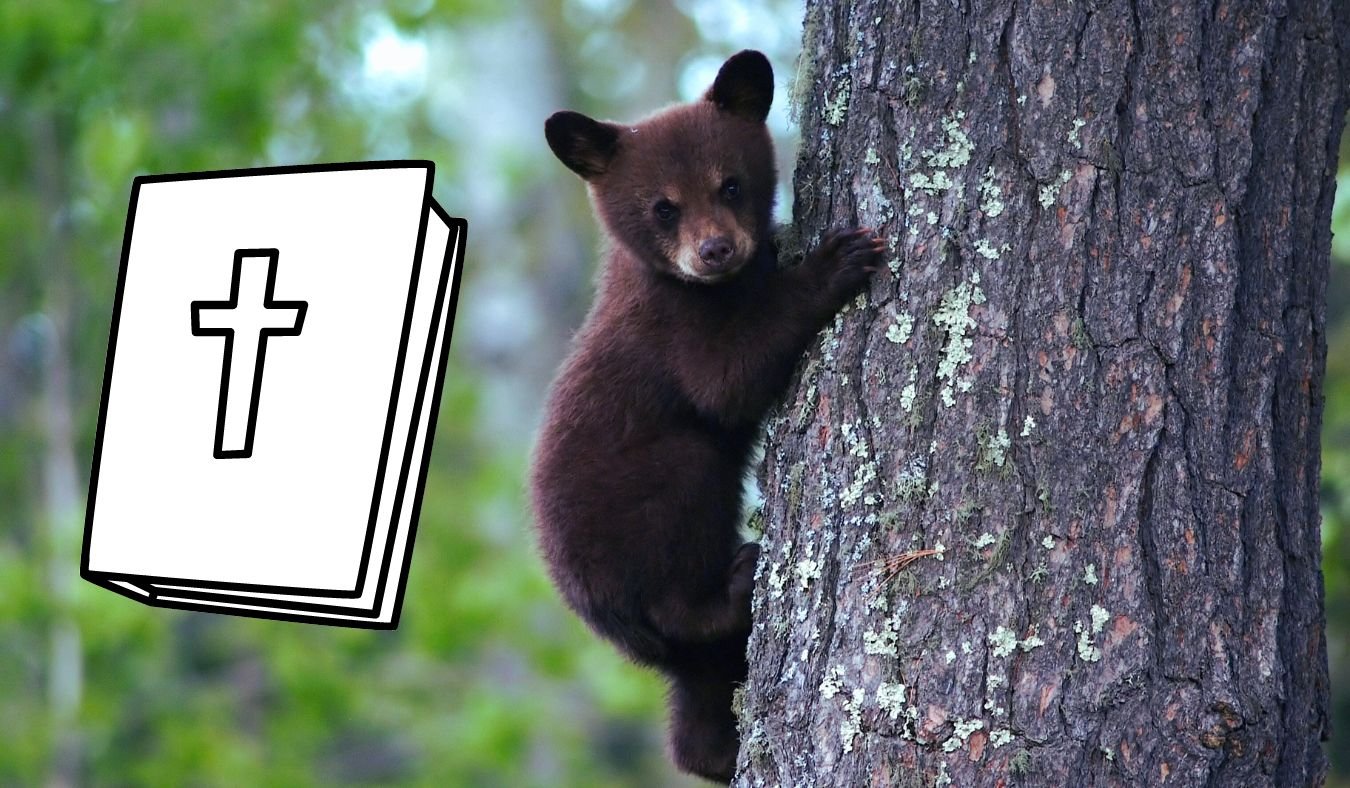
The bear, a majestic and formidable creature, evokes a plethora of symbolic meanings throughout the Bible. As an embodiment of strength and ferocity, the bear occupies a unique place in theological discussions and scriptural interpretations. In every biblical context, the connotation of the bear transcends mere physical attributes, weaving its essence into the fabric of spiritual and moral lessons. This article delves deeply into the multifaceted representations of bears within biblical literature, exploring their implications and significance.
First and foremost, the bear often symbolizes brute strength and raw power. For instance, in the Book of Daniel, where various beasts represent different kingdoms, the bear signifies the Medo-Persian Empire, characterized by its might and dominance. The imagery of a bear rising up on one side elucidates the idea of a duality, hinting at the ferocious strength of the empire while also reflecting its internal complexities. Such depictions serve as allegories for the rise and fall of earthly powers, underscoring the transitory nature of human authority and the ultimate sovereignty of divine rule.
Moreover, the bear is frequently associated with protective instincts, primarily in the context of motherhood. In Proverbs, the term “bear” evokes maternal imagery, illustrating a mother’s fierce love for her cubs. Such language encapsulates the fierce loyalty and protective qualities inherent in strong maternal figures. The Bible portrays God using nurturing imagery comparable to a bear protecting her offspring, emphasizing divine guardianship. This juxtaposition of ferocity and tenderness provides a holistic understanding of love, demonstrating that true devotion may require strength and courage.
On another note, the bear can represent warnings against pride and aggression. In various passages, the animal symbolizes the wrath of God against those who embody arrogance. The imagery serves as a cautionary tale; just as a bear will defend its territory with vigor, so too will divine justice exercise authority over the proud. These elements remind readers of the need for humility and the peril that comes with hubris. Thus, the bear’s ferocity becomes a dual symbol, warning against the pride that leads to inevitable downfall.
As one delves into prophetic literature, the bear assumes an eschatological role as well. In the apocalyptic visions described in the Book of Revelation, metaphoric beasts showcase various end-time entities. The bear, among other beasts, articulates the fears and tribulations that humankind may face in the last days. It becomes a visual manifestation of chaos and destruction, associated with the struggles believers must endure. This apocalyptic imagery serves to provoke faithfulness among believers, encouraging them to remain steadfast despite adversities that may resemble the terrifying attributes of a bear.
Additionally, the bear denotes a broader reflection on creation and God’s designs. As one contemplates the intricate relationships within nature, the bear embodies the wildness and unpredictability of creation. Scriptural references to the wilderness, where bears roam, lead to a realization of God’s omnipotence and creativity. These creatures symbolize the untamed aspects of life, serving as reminders of nature’s capriciousness and divine craftsmanship. In this sense, bears prompt theological discussions about stewardship, the environment, and humanity’s role within God’s creation.
In conclusion, the symbolism of the bear in the Bible stretches beyond physical representation, encompassing themes of strength, protection, warning, and divine authority. As one explores scriptural contexts, it becomes clear that the bear serves as an enduring metaphor, challenging believers to comprehend the complexities of God’s nature and the multifaceted human experience. Whether as a protector, a warning figure, or a representation of divine justice, the bear remains an essential symbol in biblical discourse, resonating throughout the ages with profound significance.

