

Horses are magnificent creatures that have captivated the human imagination for centuries. Their presence in the Bible is often emblematic, evoking a myriad of interpretations. One might wonder, what do horses truly symbolize within the sacred texts? Let’s embark on a journey through scripture to explore the multifaceted representations of these noble animals.
Firstly, it is essential to understand the historical context of horses within biblical societies. Ancient cultures often viewed horses as symbols of strength, power, and nobility. They were primarily utilized in warfare, signifying both might and valor. For instance, the mention of horses in the Book of Psalms highlights their swiftness and durability, characteristics that often drew parallels to divine protection and guidance. Psalm 147:10 states, “His delight is not in the strength of the horse, nor his pleasure in the legs of a man.” In this verse, the emphasis is placed on divine favor rather than earthly might.
Moreover, horses are frequently associated with royalty and leadership. In Zechariah 9:9, the prophetic vision of a king arriving humbly on a donkey juxtaposes the traditional imagery of kings taking to war on prancing stallions. This vivid contrast suggests that the essence of true kingship lies not in grandiosity or ostentation, but in humility and service. Therefore, while horses symbolize authority, their biblical representation encourages a deeper introspection of power and responsibility.
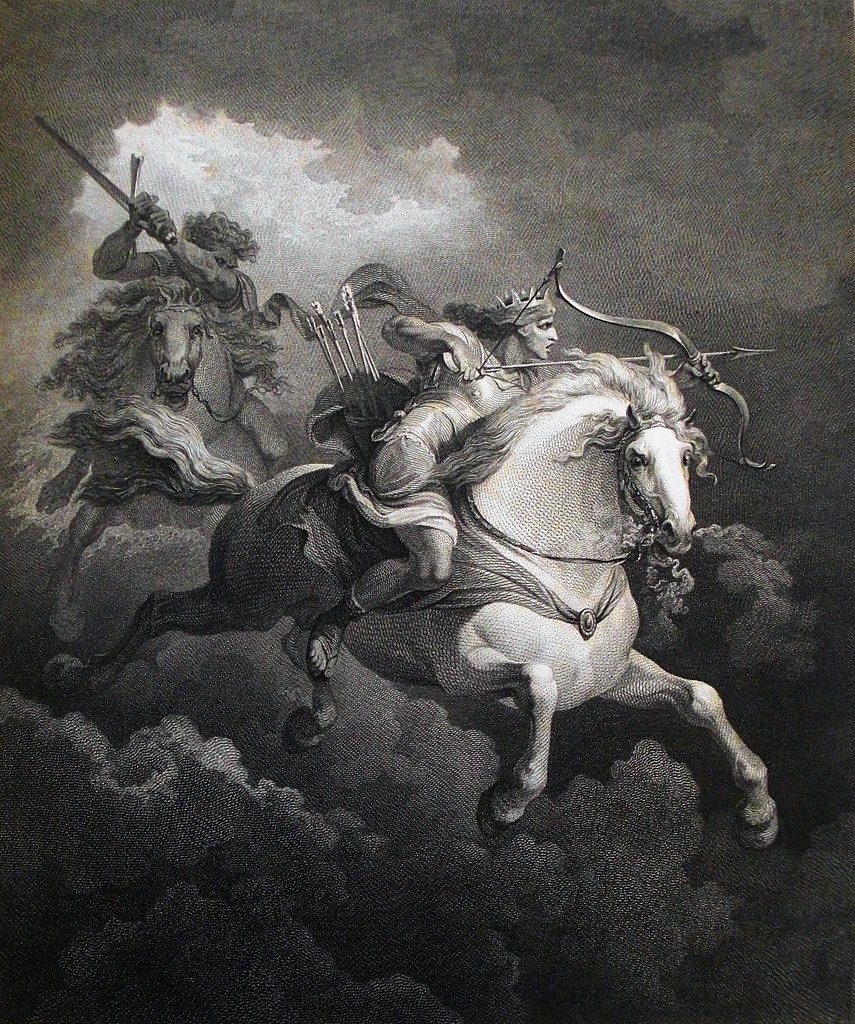
In the apocalyptic literature of the Bible, particularly in the Book of Revelation, horses take on a dramatic and unsettling role. The Four Horsemen of the Apocalypse—representing conquest, war, famine, and death—serve as potent symbols of impending judgment and divine retribution. Each horse and its rider embody an essential aspect of human experience and consequence. This portrayal invites readers to consider the intricate relationship between divine will and human actions. It raises a playful question: Are these ethereal equines mere harbingers of doom, or do they also represent the potential for redemption amidst chaos?
Additionally, horses in biblical texts can be seen as representations of journey and progress. The act of traveling, both literally and metaphorically, is often depicted through equestrian imagery. In Proverbs 21:31, the passage states, “The horse is made ready for the day of battle, but victory belongs to the Lord.” This sentiment reinforces the idea that preparation and effort are paramount, yet it is ultimately divine providence that determines outcomes. The horse becomes a vehicle of both human endeavor and divine sovereignty, urging us to engage in our pursuits while remaining cognizant of a larger purpose.
Throughout the Bible, the imagery of horses fosters a complex dialogue about faith, responsibility, and the human condition. We are encouraged to ponder: Are we merely participants in a divine narrative, or do we possess the agency to shape our destinies? The use of the horse as a symbol serves as a reminder that while strength and valor are admirable, true power lies in humility, faith, and the capacity for change.
In conclusion, the representation of horses in biblical scripture transcends superficial interpretations. They embody strength, leadership, judgment, and the ongoing struggle between faith and human agency. As we study these passages, we are called to reflect upon our own lives. Are we harnessing our strengths with humility, or are we riding toward a path of pride and arrogance? The challenge lies in embracing the essence of the horse’s symbolism as we navigate our spiritual journeys.

