

The horse, a creature of magnificent stature and unparalleled grace, has often captivated the human imagination throughout the ages. In biblical literature, its symbolism runs deep, weaving through narratives, metaphorical language, and theological undertones. This exploration delves into the multifaceted implications of the horse in the Christian scriptures, revealing profound insights into its significance.
Throughout the Bible, the horse embodies the duality of strength and majesty. Considered a beast of burden and a vital asset in battle, it symbolizes power and prowess. In Psalms, horses are frequently depicted in the context of warfare—”Some trust in chariots and some in horses” (Psalm 20:7). This juxtaposition illustrates humanity’s tendency to place faith in tangible might rather than divine providence. Here, the horse personifies not just military strength, but the strength that can lead one away from reliance on God.
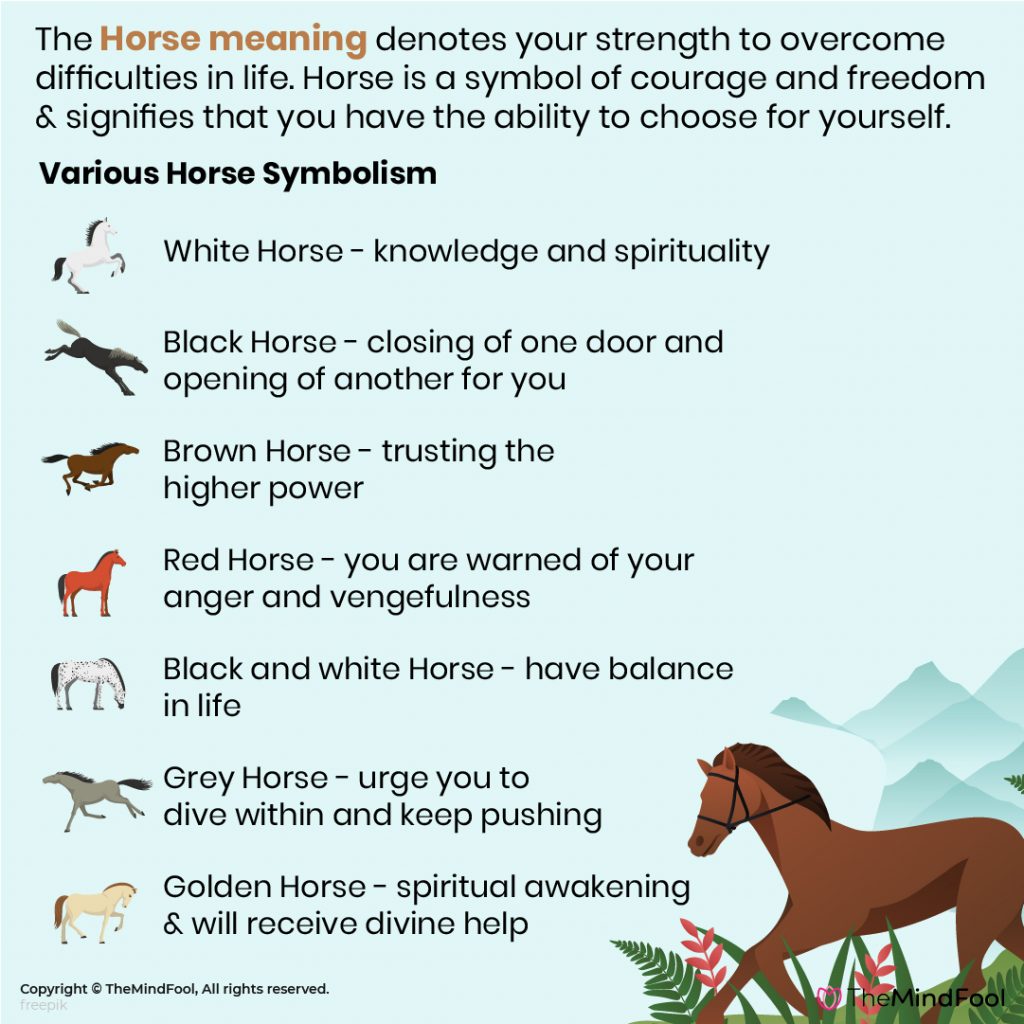
Moreover, the horse is often a representation of divine judgment and the impending apocalypse. In the book of Revelation, the Four Horsemen emerge as harbingers of catastrophic change, each riding a horse of distinct color that symbolizes a specific aspect of human experience—conquest, war, famine, and death. The pale horse, ridden by Death, particularly evokes a visceral sense of fear and inevitability, warning of the cosmic balance that must be maintained. Through vivid imagery, these horses not only signify destruction but also serve as a reminder of the fleeting nature of earthly existence.
Further emphasizing the spiritual dimensions of the horse is its role in conveying hope and divine revelation. The depiction of horses in visions, particularly in prophetic contexts, communicates a sense of urgency and significance. When the prophets describe visions of horses, they are often linked to the movement of the Spirit and God’s will being enacted upon the earth. Zechariah, for instance, recounts a vision of horses that represent the spirits of heaven sent forth to navigate the earth, indicating a profound connection between celestial influence and earthly events.
Beyond these emblematic roles, the horse is also a symbol of loyalty and companionship. In various narratives, horses are seen as steadfast partners to their riders, paralleling the relationship between God and His followers. This mutual bond resonates particularly in the stories of heroes who rely on their equine companions during perilous times, demonstrating themes of trust, loyalty, and divine partnership that echo throughout biblical tales. Such relationships translate seamlessly into the spiritual realm, where believers are encouraged to trust in the unwavering support of God.
The multifaceted symbolism associated with the horse in the Bible invites readers to reflect on its deeper meanings that transcend the literal. As a creature deeply embedded in the experiences of biblical societies, the horse embodies a spectrum of human emotions and divine interactions. From strength in adversity to the harbingers of consequences, the horse emerges as a rich symbol—reminding us of the power, judgment, hope, and companionship that permeate both the scriptures and our lives.
In essence, the horse serves as a profound allegory, encouraging a deeper understanding of faith, the human condition, and the complexities of divine involvement. Its presence instills awe, beckoning individuals to unravel the intricacies of divine communication and earthly living, offering insights that remain relevant across generations.

