

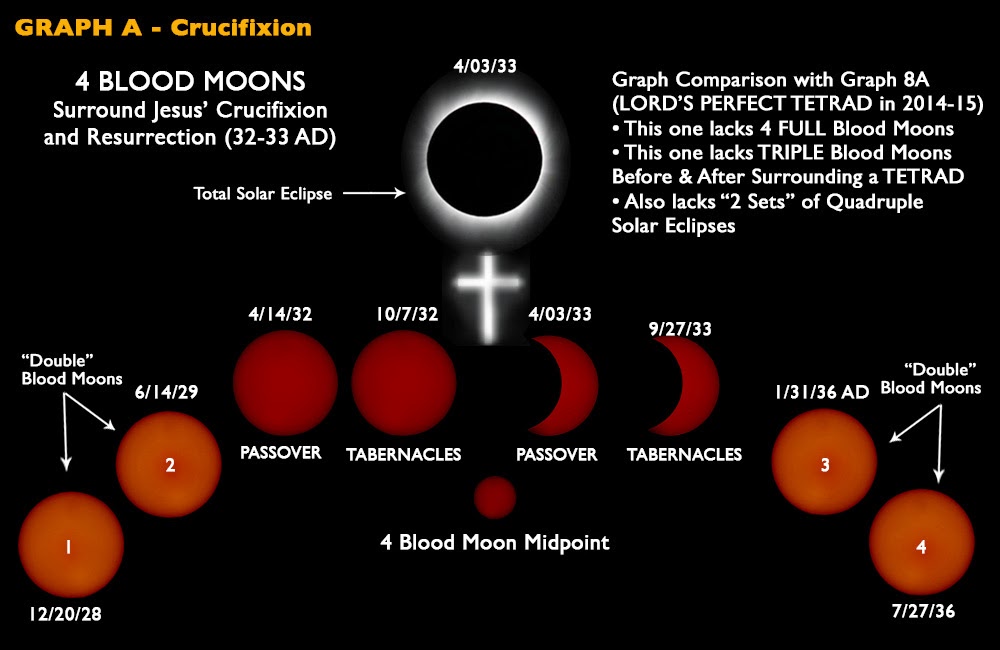
The phenomenon of a blood moon, characterized by its eerie crimson hue, captures the imagination of many and instigates a plethora of interpretations across various disciplines. Within the biblical context, the blood moon is imbued with significant symbolism and prophetic implications, primarily derived from its appearance during a lunar eclipse. The Bible notably mentions this celestial event in the Book of Joel and the Book of Revelation, threading it into its narrative tapestry of eschatological foretelling.
To comprehend the implications of a blood moon within the biblical framework, one must first analyze its occurrence in scripture. In Joel 2:31, it states, “The sun will be turned to darkness, and the moon to blood before the great and terrible day of the Lord comes.” This particular verse posits the blood moon as a harbinger of profound change and divine judgment. It suggests a cosmic alteration, one that precedes significant events in the eschatological timeline. The vivid imagery conjured by this passage invites contemplation on humanity’s moral trajectory and the call for repentance.
Exploring further into the Book of Revelation, the prophecy of the blood moon reemerges in Revelation 6:12, amplifying its earlier significance. Here, it is described during the opening of the sixth seal, which unleashes unnatural disturbances in the heavens. “And the moon became like blood,” this text implies a disintegration of the natural order, enhancing its ominous tone. The blood moon symbolizes divine intervention, a cosmic announcement of impending transformation or tribulation, thus reinforcing its role in the biblical imagination as an emblem of judgment and prophecy.
In examining these scriptures, one encounters themes of divine sovereignty and a call to vigilance. The blood moon serves as a visual reminder of the ephemeral nature of earthly existence and the inevitable confrontation with the divine. This aligns with the broader biblical narrative that seeks to instill a sense of urgency regarding moral and ethical living. Theological interpretations often posit that these signs are intended to incite believers to reflect on their lives and the state of the world around them.
Yet, the discourse surrounding the blood moon transcends mere interpretative analysis; it extends into the realm of historical contexts and cultural mythos. Throughout history, various civilizations have attributed varying significance to eclipses and blood moons, often viewing them as omens. This cultural dimension enriches the biblical understanding, as the phenomenon often echoes societal unrest or change, aligning with the scriptural narrative of a world awaiting redemption.
Furthermore, the contemporary fascination with the blood moon has been amplified by modern astronomical phenomena, particularly the tetrad of blood moons – four consecutive total lunar eclipses. Many enthusiasts draw parallels between these scientific occurrences and biblical prophecies, igniting fervent discussions about the intersection of faith and science. Such dialogues probe the depths of humanity’s understanding, prompting inquiries into whether the occurrences signify impending doom or an opportunity for renewal.
In addition to theological reflection, the blood moon invites a sensory experience that captivates the viewer. It evokes a vivid imagery of transformation—changing from a familiar silvery orb to a haunting red satellite in the night sky. This shift serves as a metaphor, resonating with the spiritual synesthesia where celestial events speak to the spiritual condition of humanity. Individuals gazing at a blood moon may find themselves contemplating their place in the divine narrative or their aspirations for personal renewal.
In conclusion, the blood moon elucidates profound biblical themes of prophecy, judgment, and the call for moral introspection. It stands as a potent symbol within scripture, encouraging both reflection and action. As astronomical marvels continue to occur, the intersection of these events with biblical prophecy fosters rich discussions about the human experience, ultimately urging us to remain vigilant and responsive to the celestial signals above.

