

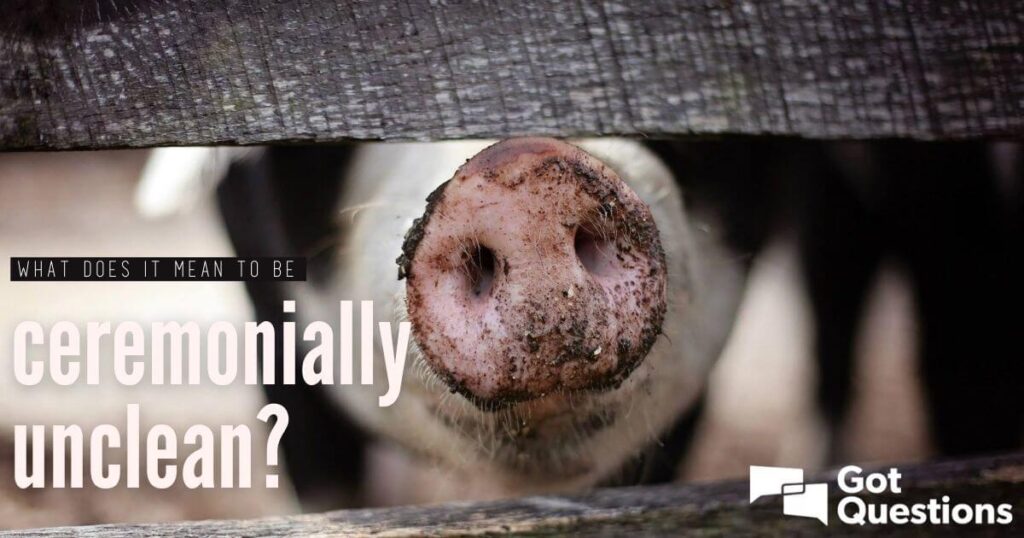
In the tapestry of biblical literature, the concept of being “unclean” weaves a narrative that transcends mere physicality and delves deep into the realms of spirituality and morality. This notion, steeped in ancient traditions, exists not only as a relic of cultural practices but also as a profound metaphor for the human condition. The Bible, through its various texts, utilizes the theme of uncleanness to convey lessons about purity, sin, and the intricate relationship between humanity and the divine.
The term “unclean” often appears within the context of ritual purity laws outlined in various books of the Old Testament, particularly Leviticus. It is here that the Israelites were instructed on what could render them ceremonially unclean: contact with certain animals, bodily discharges, and even touching a dead body. These regulations, while seemingly archaic, served a larger purpose in a society that sought to maintain order and sanctity amid the chaos of the innate human experience. To be unclean was not merely a physical state; it symbolized a disconnect from communal and divine fellowship.
Consider, if you will, the metaphor of a stormy sea—a representation of the chaotic and unpredictable nature of life. To be unclean is akin to being adrift in those tumultuous waters, distanced from the calming shores of community and spirituality. The ancient laws can be seen as a guiding light for navigating these choppy seas, offering a means to return to a state of equilibrium, much like a lighthouse guiding ships safely to harbor.
The rationale behind these laws often eludes modern comprehension. How could the touch of a leper or the consumption of certain foods signify a moral failing? However, they served as a cultural framework to instill respect for both the divine order and natural existence. The cleanliness laws defined boundaries that differentiated the sacred from the ordinary, aligning one’s physical state with their moral standing. This duality is poignant; being unclean reflects a need for internal and external purification.
In a spiritual sense, the notion of being unclean extends beyond the physical world to encompass sins—those intangible stains that mar the soul. The gospels introduce Jesus, whose life and teachings challenge the established norms surrounding ritual purity. He instructed his followers to embrace the lepers, to touch the unclean, thereby flipping the narrative upside down. In his ministry, Jesus demonstrated that true cleanliness comes from the heart, not merely from adherence to dietary laws or ritual observances.
Through this lens, being unclean transforms into an opportunity for profound moral reflection. It beckons individuals to examine the aspects of their lives that contribute to spiritual filthiness—resentment, avarice, and the disdain for the marginalized. The metaphor deepens: much like a garden choked by weeds, a soul burdened by these vices becomes unfruitful. Thus, cleansing becomes an act of cultivating one’s inner self, removing the tainted to nourish the good.
Moreover, the doctrine of uncleanness finds resonance in broader societal observations. In contemporary contexts, what constitutes “unclean” may refer to environmental degradation or social injustice—issues that render communities fragile and disconnected. Pollution festers in bodies of water much like sin festers in the soul. To address the uncleanliness of the earth is to recognize the sacredness of creation, urging stewardship over exploitation. Herein lies a crucial intersection: just as ancient Israelites sought to preserve their community’s sanctity, modern society must grapple with its responsibility toward the environment. This collective conscience can redefine what it means to be “clean.”
The cleansing rites detailed in scripture provide a path forward. The ritual sacrifices and washings were symbolic acts of restoration, representing humanity’s yearning for reconciliation—not only with God but also with one another. Modern environmental efforts echo this longing, striving for reconciliation with the earth through sustainable practices and regenerative methods. The essence of faith inspires collective action, urging communities to rise above the chaos of contamination, embracing the call to care for creation.
In the New Testament, concepts of uncleanness evolve further. Paul’s letters expound on the idea that believers are made clean through faith and baptism. This transformative language offers a powerful metaphor: just as Christ washed his disciples’ feet, so too must individuals embody humility and service, cleansing the burdens of others while recognizing their own need for grace. The notion of spiritual redemption parallels environmental rejuvenation, highlighting that both require commitment, action, and a willingness to confront discomfort.
Ultimately, what it means to be unclean in the Bible is an intricate tapestry woven from threads of history, morality, and spirituality. The ancient laws serve as stepping stones upon which we can traverse time, providing insights into humanity’s enduring struggles with purity and connection. It serves as a reminder that cleanliness goes beyond the surface, challenging each individual to explore the depths of their conduct and its impact on both the divine and the earthly realm.
In this journey of reflection, acknowledgment of one’s uncleanliness can catalyze profound transformation, prompting a commitment not only to rectify personal deficiencies but to actively engage in the healing of the world. Thus, the biblical narrative offers not just a path toward individual sanctity but also impels societal responsibility, forging a connection between the sacred, the moral, and the environmental in a quest for holistic cleanliness.

