

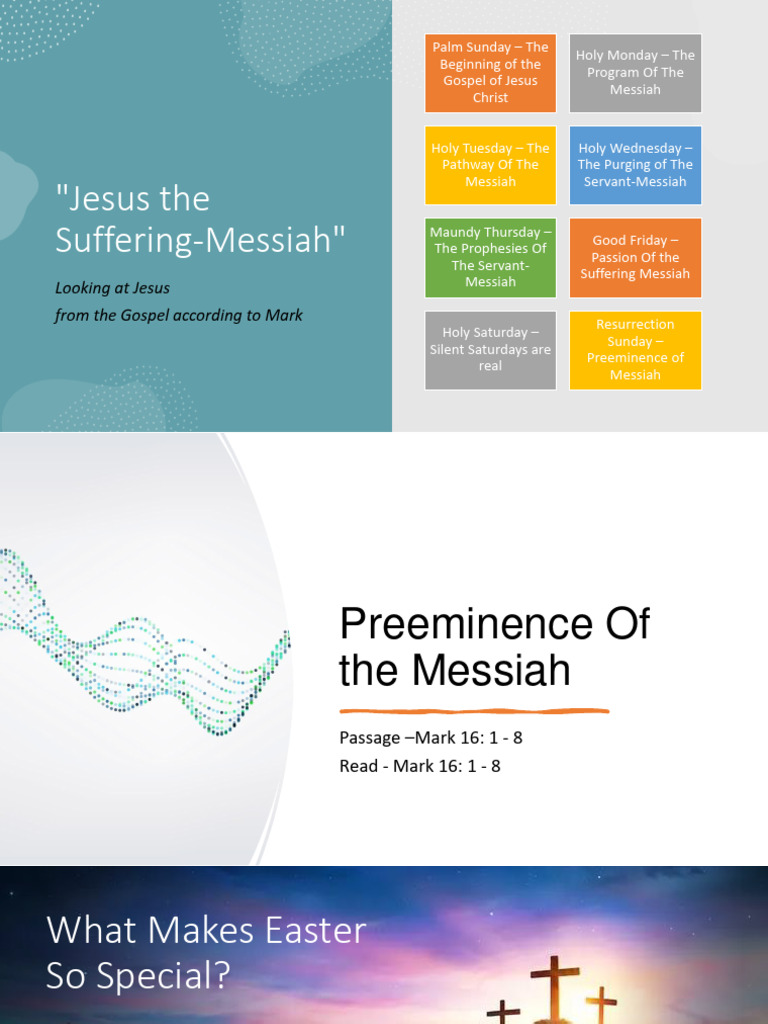
Preeminence, derived from the Latin term “praeeminens” meaning “outstanding,” carries profound theological implications within the context of the Bible. This concept denotes a position of superiority and supremacy, often attributed to God and notably to Jesus Christ. Throughout Scripture, the theme of preeminence is interwoven into the narratives and teachings, emphasizing the divine nature and authority of Christ as well as God’s overarching sovereignty.
In Colossians 1:18, the Apostle Paul delineates the preeminence of Christ, stating, “And he is the head of the body, the church: who is the beginning, the firstborn from the dead; that in all things he might have the preeminence.” This assertion signifies not merely a hierarchical structure but a relational depth, suggesting that Christ is central to the existence of the church and, by extension, to the entire cosmos. The designation of “firstborn” indicates His primacy over creation, marking Him as not just preeminent in rank, but as foundational to life itself.
Furthermore, the theme of preeminence echoes throughout the Old Testament, where God’s unparalleled majesty and authority are extolled. For instance, in Psalms 89:6-7, the psalmist proclaims, “For who in the heaven can be compared unto the LORD? Who among the sons of the mighty can be likened unto the LORD? God is greatly to be feared in the assembly of the saints, and to be had in reverence of all them that are about him.” This rhetorical question underscores God’s supremacy over all creation, reinforcing the notion that no entity can rival His omnipotence.
Moreover, the teachings of Jesus further elucidate this concept. In John 14:6, Christ contends, “I am the way, the truth, and the life: no man cometh unto the Father, but by me.” Here, Jesus asserts His unique and preeminent role as the sole mediator between humanity and God. This exclusivity emphasizes the necessity of recognizing Christ’s preeminence not just in a social or religious context, but in the very essence of faith and salvation.
In addition to its theological underpinnings, the notion of preeminence compels believers to reflect on their own lives and priorities. Understanding Christ’s supremacy creates an imperative to recalibrate personal aspirations, relationships, and values. When Christ occupies the highest place in one’s life, it transforms one’s motivations and actions, fostering a lifestyle that reverberates with reverence and obedience. This pursuit of Christ’s preeminence is profoundly communal; it cultivates unity among believers, as sharing the foundational commitment to Christ organically nurtures fellowship within the church.
Ultimately, preeminence implies more than mere acknowledgment of authority; it invokes a deep, faithful response that prioritizes spiritual alignment with God’s will. Appropriating the full significance of Christ’s preeminence invigorates the believer’s spiritual journey, leading to transformative experiences of grace and purpose. Believers are called not just to recognize Jesus as preeminent but to embody that truth in their interactions with the world, illuminating the path for others through acts of love, service, and truth.
In sum, preeminence in the Bible serves as a multifaceted concept that encapsulates the core of Christian faith. It affirms the supremacy of Christ and God, inviting believers to engage deeply with this truth and reflect it in their lives. As one contemplates the richness of this doctrine, it becomes evident that preeminence is not merely a theological abstraction; it is a call to an authentic, vibrant faith that resonates through every facet of existence.

