

Throughout the annals of scripture, silver emerges as a multifaceted symbol, resonating with significance that transcends mere currency. From its use in ancient transactions to its metaphoric implications, silver captures the human imagination and evokes deeper existential contemplations. Understanding what silver represents in the Bible requires an exploration of its physical characteristics, historical context, and spiritual symbolism.
Firstly, one cannot ignore the intrinsic value of silver. As a precious metal, it has been sought after for centuries not only for its economic worth but also for its aesthetic appeal. In biblical times, silver denoted wealth, prosperity, and status. It was prominently featured in trade and commerce, serving as a medium of exchange that facilitated the transactions of everyday life. However, beyond its monetary usefulness, it also symbolized the attributes of purity and refinement.
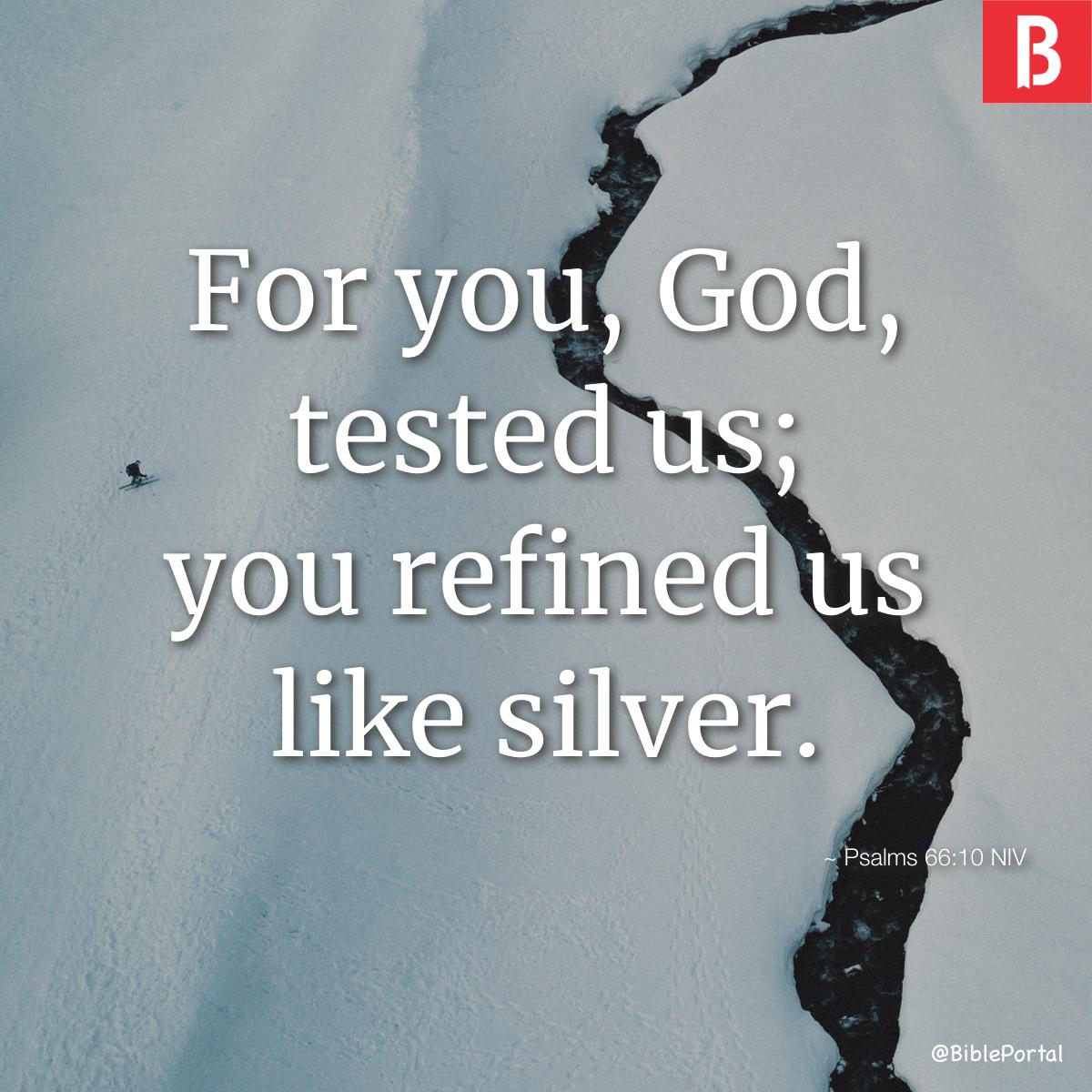
In the biblical context, silver frequently represents the process of purification. Much like the refining process that silver undergoes when it is placed in fire to remove impurities, the Bible often likens this to the spiritual cleansing that believers undergo. For instance, Psalm 66:10 states, “For you, O God, tested us; you refined us like silver.” This verse encapsulates the notion that trials and tribulations can serve as a divine mechanism for refining one’s character and faith, forging resilience and spiritual maturity.
Moreover, silver is emblematic of redemption and atonement. In the Old Testament, a significant portion of the Tabernacle’s construction was adorned with silver, as seen in Exodus 38:25–27. The term ‘silver shekels’, associated with the Temple tax, denotes a form of obligation for the faithful, signifying their commitment to God and the covenant community. Thus, silver is interwoven with the themes of sacrifice and propitiation, alluding to the ultimate redemption found in the New Testament.
Interestingly, the juxtaposition of silver with other elements in scripture amplifies its representation. For instance, the phrase “silver and gold” often appears in conjunction with idolatry, warning believers against placing value on material wealth over spiritual integrity. In 1 Peter 1:18, believers are reminded that they were not redeemed with perishable things like silver or gold, but with the precious blood of Christ. This stark contrast serves as a powerful reminder to prioritize the eternal over the transient.
Additionally, silver embodies a sense of communication and connection. It was used in the making of instruments and utensils for worship, denoting an avenue through which humans could engage with the divine. The trumpets made of silver, blown during significant moments in Israelite history, symbolize calls to action, gathering, and divine proclamation. Thus, silver assumes a dual role in scripture as both a means of ritual communication and a reminder of divine intervention.
In contemplating the notion of silver, one must also consider its connection to hope and expectation. Silver, like light reflecting through its various facets, signifies clarity and enlightenment. In biblical prophecy, silver often intertwines with themes of restoration and blessing, signifying hope for the future and God’s promise to His people. This representation serves not only as a reminder of what has been but also of what is yet to come—a beacon guiding believers through the complexities of their journeys.
In conclusion, silver within the Bible transcends its role as a mere monetary instrument. It carries profound implications about refinement, redemption, communication, and hope. The fascination with silver, thus, is not merely rooted in its material worth but in its ability to encapsulate spiritual truths. It invites believers to reflect on their own journeys, acknowledging that through trials and tribulations, they may emerge as refined vessels, enriched in both faith and character.

