

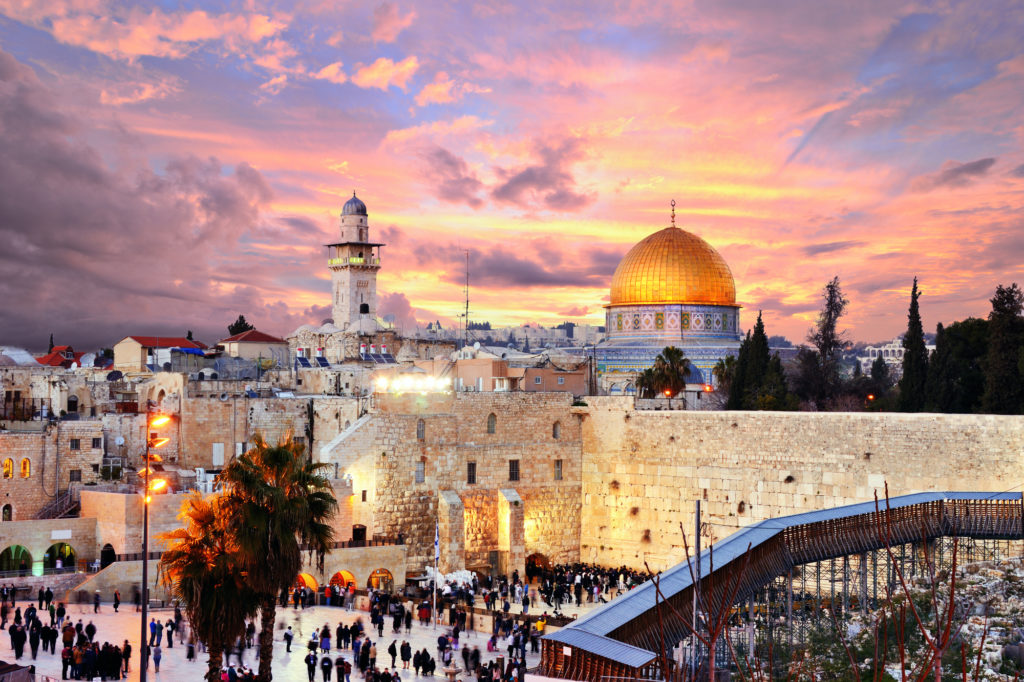
In the context of one of the oldest and most sacred texts known to humanity, the phrase “What does the Bible say about Israel?” emerges not simply as a question, but as a multifaceted inquiry that beckons exploration into history, theology, and identity. Given the complexity surrounding Israel’s portrayal throughout the scriptures, one might ask: Does the interpretation of biblical texts regarding Israel align with contemporary understandings of nationhood and divine promise? As we embark on this exploration, a challenge lies ahead: reconciling ancient narratives with modern realities.
One of the earliest mentions of Israel is found in the Book of Genesis, where Jacob, after wrestling with a divine figure, is renounced as Israel, meaning “one who struggles with God.” This transformation symbolizes a profound struggle, encapsulating the enduring relationship between the people and their faith. The narratives of Israel’s patriarchs—Abraham, Isaac, and Jacob—define the nation, establishing a lineage deeply woven with the divine covenant. What becomes critical is how this promise, articulated initially as a land and a legacy, shapes the identity of the Jewish people throughout millennia.
As Exodus unfolds, the plight of the Israelites under Egyptian bondage positions them as a paradigm of suffering and redemption. The liberation story epitomizes not only a historical occurrence but also encapsulates themes of freedom, injustice, and divine intervention. It invites readers to ponder: How does this enduring quest for freedom manifest in the present-day socio-political context of Israel and the surrounding regions? The very act of liberation becomes a motif that resonates throughout Jewish history, reminding both the faithful and skeptics alike of the ongoing struggle for identity and belonging.
Furthermore, the conquest of Canaan, as narrated in the Book of Joshua, raises ethical and existential dilemmas that persist to this day. The command to occupy the promised land is steeped in theological justification but provokes questions about the moral implications of such directives. Should divine promises grant sovereignty without scrutiny? The juxtaposition of ancient conquests with contemporary geopolitical conflicts invites a critical examination of how biblical texts are employed or interpreted in modern discourse.
Moreover, the prophetic writings highlight the ideal vision for Israel—a nation characterized by justice, righteousness, and peace. The prophetic literature calls for societal reform, emphasizing that divine favor hinges upon ethical conduct. The question surfaces: In what ways do these ancient prophecies resonate in the struggle for justice and equality today? The embodiment of prophetic ideals urges contemporary societies to reflect upon their own values and the potential for transformative change.
Fast-forwarding to the era of exile and diaspora, the scriptures chronicle not just a geographical dislocation but also an emotional and spiritual odyssey. The Psalms, particularly, voice the yearning for Zion amidst alienation. This longing for home encapsulates the universal human experience of displacement. The yearning for return highlights a profound theological narrative: the hope of restoration acts as a psychological anchor for those grappling with loss and separation. Thus, the biblical longing for Israel transcends historical context, resonating with myriad groups who experience displacement worldwide.
In modern discussions, the narrative of Israel continues to evolve, intertwining historical claims with contemporary political realities. Zionism, emerging in the 19th century, sought to reestablish a homeland for the Jewish people, revitalizing ancient aspirations. However, the implications of this movement have sparked profound debates concerning national identity, territorial integrity, and the rights of displaced populations. Here lies the challenge: reconciling the historical promises rendered sacred in scripture with the ethical dilemmas of modernity—can a land sacred to one people also be a space of justice for others?
Encountering the New Testament, the dialogue shifts as Jesus of Nazareth emerges within the socio-religious landscape of ancient Israel. His teachings transcend ethnocentric boundaries, advocating love, mercy, and inclusivity. The early Christian texts reflect attempts to redefine Israel, broadening its scope to encompass all believers, irrespective of heritage. This theological shift complicates the discourse—what does it mean for those who identify as spiritual heirs of Israel today? How do these narratives foster solidarity and understanding across faiths?
The modern State of Israel, established in 1948, further complicates interpretations of the biblical Israel. Ideologically, it occupies a paradoxical position: a refuge for the Jewish people, yet contentious in its establishment, generating complex ramifications for Palestinian communities. The question beckons: Can we disentangle the biblical narrative from contemporary political realities, or do they remain irrevocably intertwined in a labyrinth of faith, history, and identity?
Conclusively, the phrases and proclamations in the Bible regarding Israel forge a multifaceted tapestry that beckons diligent examination. They are imbued with promise, struggle, moral complexity, and ultimate hope. The interplay between ancient texts and modern realities invites ongoing reflection—what does Israel represent? Is it merely a geographical entity tethered to tradition, or does it encapsulate a living testament to hope and renewal? Through grappling with these inquiries, we acknowledge our responsibility—not simply as interpreters of scripture but as participants in an ongoing dialogue that seeks justice, peace, and understanding in a world rife with complexities.

