

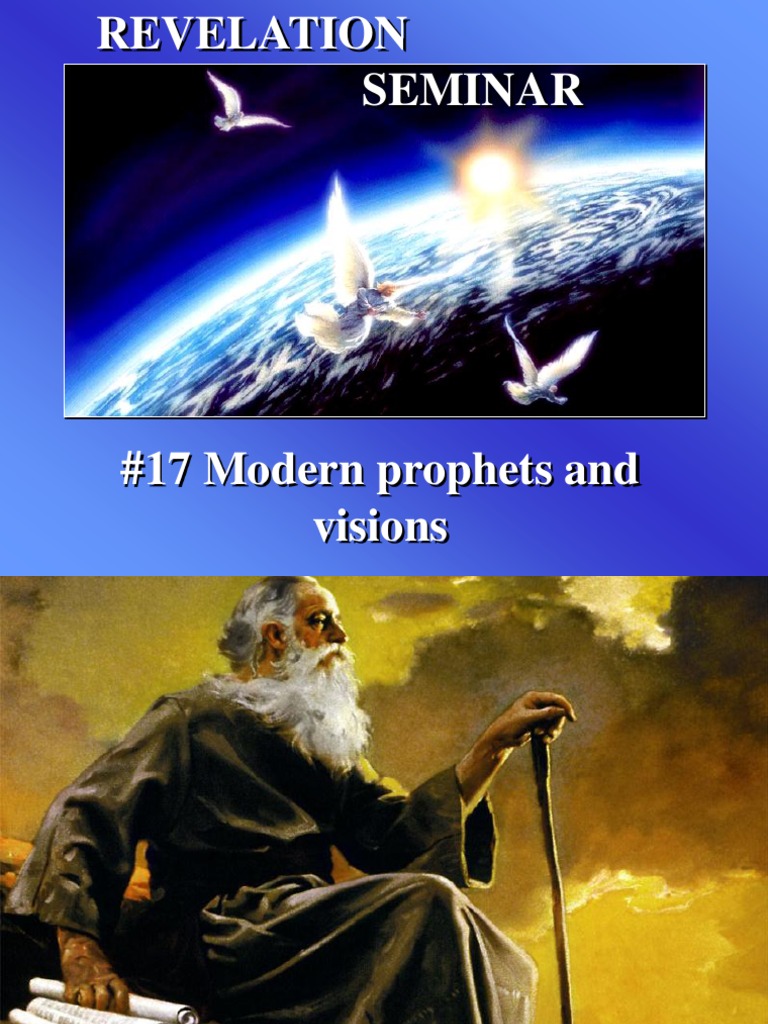
In contemporary discourse, the concept of prophecy occupies a complex and often contentious space. The allure of modern-day prophets cannot be understated; they evoke a mélange of both reverence and skepticism among religious communities. The Bible, particularly the New Testament, provides insight into the essence of prophecy and extends an invitation for interpretation that resonates through the ages.
To embark on understanding the phenomenon of modern prophets, we first delve into the scriptural foundation laid by early adherents. In the book of Acts, the outpouring of the Holy Spirit is emblematic of a new epoch in revelation. Acts 2:17 states, “In the last days, God says, I will pour out my Spirit on all people. Your sons and daughters will prophesy, your young men will see visions, your old men will dream dreams.” This scripture beckons the faithful to consider that prophecy, far from being a relic of biblical antiquity, is an active, dynamic expression of divine communication in today’s world.
However, the fascination with modern-day prophets often stems from a desire for guidance during tumultuous times. In an era marked by rapid change and uncertainty, individuals frequently seek clarity and reassurance. The prophetic voice—whether through sermons, social media, or public gatherings—offers a sense of connection to something greater. It promises insight into personal and communal dilemmas, supremacy over chaos, and often presupposes a spiritual authority that resonates deeply with existential anxieties.
Yet, to acknowledge the existence of modern prophets is to grapple with a paradox. Throughout history, true prophets have faced adversity, often being marginalized or dismissed. The biblical narrative is replete with examples of prophets like Jeremiah and Ezekiel, who endured persecution for their revelations. Today, such individuals continue to challenge societal norms, positioning themselves as conduits of divine truth while sometimes courting controversy. Their messages can evoke passion that oscillates between fervent support and vehement opposition.
Furthermore, it is imperative to evaluate the characteristics that delineate authentic prophecy from mere charisma. The Bible offers discernment through fruits of the Spirit as outlined in Galatians 5:22-23, where genuine prophetic voices are aligned with love, joy, peace, and self-control. The exhortation for believers is to test the spirits, as seen in 1 John 4:1, establishing that authentic prophets will inherently uplift and edify rather than sow discord. The challenges arise in a world where subjective experiences often overshadow doctrinal rigidity.
As we navigate the maelstrom of information and varying interpretations, modern-day prophets often encapsulate diverse backgrounds, ranging from established religious leaders to social activists. This inclusivity fuels a broader dialogue about spirituality and the relevance of biblical tenets in contemporary issues. One might argue that the multifaceted nature of prophecy encourages a more profound reflection on its implications across various spheres of life—be it political, social, or environmental.
Ultimately, the fascination with modern-day prophets signifies an intrinsic human yearning for meaning and connection. The biblical endorsement of personal prophecy remains intact, encouraging believers to seek out divine insight while remaining cognizant of their duties as stewards of faith and truth. As we embark upon this path of discernment, the message resonates: while prophets may differ in manner and message, the quest for truth remains a timeless pursuit, calling all to examine their convictions and the implications of those beliefs in the world they inhabit.

