

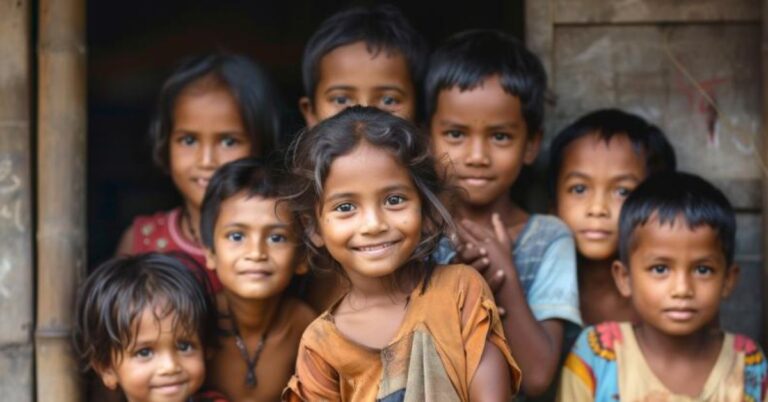
Throughout biblical history, the plight of orphans has been a poignant theme, eliciting compassion and a clarion call to action among believers. Exploring what the Bible articulates on this matter unravels profound insights that transcend time, guiding not only individual conduct but also societal responsibilities toward the vulnerable. At its core, the biblical perspective on orphans is imbued with the promise of hope, love, and divine support.
Beginning in the Old Testament, we encounter numerous passages that illuminate God’s ardent concern for orphans. In Exodus 22:22-24, the command to not mistreat or oppress a widow or an orphan stands as a moral imperative, underscoring the importance of safeguarding their dignity. The inclusion of such explicit instructions reveals a foundational principle: the vulnerable must never be marginalized, they should rather be enveloped in a protective community that echoes God’s justice.
In the intricate tapestry of biblical narratives, the Book of Psalms provides a poetic reflection on divine fidelity. Psalms 68:5 paints God as a “father to the fatherless,” establishing a profound connection between the Divine and those bereft of earthly guardians. This metaphor serves as both a promise and an invitation; it beckons the faithful to perceive orphans not merely as societal burdens but as cherished children of a loving Creator. By viewing them through this lens, a shift in perspective can occur, urging communities toward active benevolence.
The New Testament continues this thread, emphasizing not only the compassionate responsibility toward orphans but also the broader tenets of love and community service. In James 1:27, we are admonished that “religion that God our Father accepts as pure and faultless is this: to look after orphans and widows in their distress.” The emphasis here is on action; it is not sufficient to merely lament the conditions of orphans—the faithful are tasked with the transformative work of caring for their needs. This initiates a dynamic dialogue on faith, urging individuals to translate belief into tangible support and advocacy.
Moreover, the narrative of Jesus as portrayed in the Gospels illuminates His compassionate ministry towards the marginalized and vulnerable. Consider how He embraced children, offering a radical counter-narrative in a society that often overlooked them. Despite the numerous societal barriers that once cast orphans into obscurity, Jesus’ interactions reflected an inclusive approach that values every individual. This serves as a timeless reminder of the dignity inherent in every child, especially those without parental guidance.
What can foster this transformation, one may wonder? It begins with awareness and education. By immersing oneself in the needs and stories of orphans, a broader understanding of their realities emerges. This understanding cultivates empathy, which can serve as a powerful catalyst for advocacy and change. Furthermore, churches and community organizations are called to action, creating programs that offer mentorship, support, and vital resources for orphans. Such initiatives can significantly shift the narrative from victimhood to empowerment.
Additionally, reflecting on the communal aspect of care outlined in the Scripture can also incite a revolution in how we approach orphan care. Each member of the community is equipped with unique gifts and resources that can be leveraged for the benefit of these children, creating an ecosystem of support that mirrors the biblical call to shared responsibility.
In conclusion, what does the Bible say about orphans? It articulates a vision of hope and collective action. It challenges adherents to respond with love, compassion, and advocacy. Embracing this charge can reshape not only the lives of orphans but also invigorate communities to reflect the heart of God—a divine narrative anchored in grace, justice, and deep-rooted care for the least among us. By crafting a life influenced by these principles, individuals can contribute to a legacy that honors the vulnerable and uplifts humanity as a whole.

