

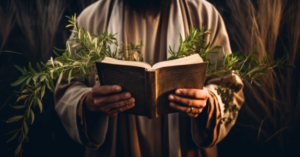
Sage, a herb revered for its culinary and medicinal properties, is also interwoven with the threads of spirituality and tradition, as illuminated in various religious texts. Within the biblical context, sage emerges as a symbol rich in meaning and practicality. It is imperative to delve deeper into the scriptures to understand the significance of this venerable herb.
Primarily, sage is generally associated with purification. Ancient practices in biblical times included the burning of herbs, including sage, to cleanse spaces and create an atmosphere conducive to prayer and reflection. This ritualistic usage still resonates in contemporary spiritual practices, illustrating the perennial significance of sage within both religious and secular domains. Sage is often mentioned alongside other herbs and scents that were used in sacred rites, underscoring its esteemed position in historical rituals.
One prominent characteristic of sage is its aromatic quality. In the Bible, fragrances are often used to convey holiness and the presence of the divine. In Exodus 30:34-35, God provides specific instructions for the creation of incense using aromatic spices. While sage is not explicitly mentioned in the passage, its companions—such as frankincense and myrrh—are integral to the blend, thereby suggesting its potential inclusion. The seductive aroma of sage can lead us into contemplative silence, enabling a deeper communion with the divine.
Furthermore, the medicinal properties attributed to sage, particularly in the context of healing, echo throughout biblical stories. In the book of James 5:14, the elders are called upon to anoint the sick with oil, invoking recovery. Although sage is often celebrated for its antioxidant properties today, its alignment with the theme of healing can be correlated with the biblical emphasis on holistic wellness. This suggests that the use of sage transcends mere culinary application, rooting itself firmly in the pursuit of physical and spiritual health.
In a social context, sage finds its role through the biblical emphasis on community and fellowship. The act of sharing meals often sees sage as a flavoring agent, enhancing the sustenance provided by the earth. In passages where meals signify communion, such as the Last Supper, one can imagine the presence of sage elevating fellowship among participants. This herb thus serves not only as nourishment but as a reminder of unity and togetherness.
Moreover, sage is intertwined with wisdom and knowledge, a theme omnipresent in biblical literature. The adage “wise as a serpent” in Matthew 10:16 invokes a deeper layer of understanding wherein sage symbolizes wisdom. As one reflects upon the qualities of sage, its perennial nature can serve as a metaphor for enduring wisdom, leading one through a complex world. This symbolism resonates through the ages, demonstrating that knowledge, much like conferring health, is a treasure that must be cultivated and shared.
Additionally, the cultural practices surrounding sage illustrate diverse interpretations and uses. Among Native American traditions, sage is considered a sacred plant, used for cleansing rituals and spiritual ceremonies. These practices align harmoniously with biblical uses, revealing a shared understanding of sage as a conduit for purification and divine connection. This cultural interplay enriches the biblical narrative, portraying sage as a bridge across communities and belief systems.
In examining the cultural references to sage, one must also acknowledge its role in modern environmental discussions. In a world grappling with ecological challenges, the link between the spiritual use of sage and its environmental significance becomes increasingly pertinent. Sustainable sage harvesting practices reflect a respect for creation, highlighting the need for stewardship of natural resources. This continuity—not merely a relic of the past—invites practitioners of faith to consider their role in advocating for environmental preservation, echoing the biblical call to be caretakers of the earth.
While specific biblical mentions of sage are few, the implications of this herb resonate throughout the scriptures, revealing profound connections to spirituality, healing, community, wisdom, cultural identity, and environmental stewardship. Each of these elements interlaces to offer a multifaceted view of sage, advocating for its place not only on our plates but also within the sacred spaces of our lives.
In conclusion, the discourse surrounding sage and its biblical significance extends beyond mere botanical classifications. It invites contemplation on a broader scale, urging individuals to embrace the timeless virtues of purification, healing, community, and wisdom. As we navigate modern challenges, understanding the multifarious roles sage plays within both the spiritual and ecological realms emerges as a necessary pursuit. Through the lens of sacred texts, sage can be heralded not only as a herb but as a conduit for divine connection and earthly responsibility.

