

The conversation surrounding marijuana and its place in society continues to evolve. As its use becomes increasingly accepted in various states and countries, a deeper examination of its portrayal in religious texts, particularly the Bible, merits consideration. This exploration does not serve as a judgment but rather encourages reflection on how spiritual beliefs can guide personal decisions regarding cannabis consumption.
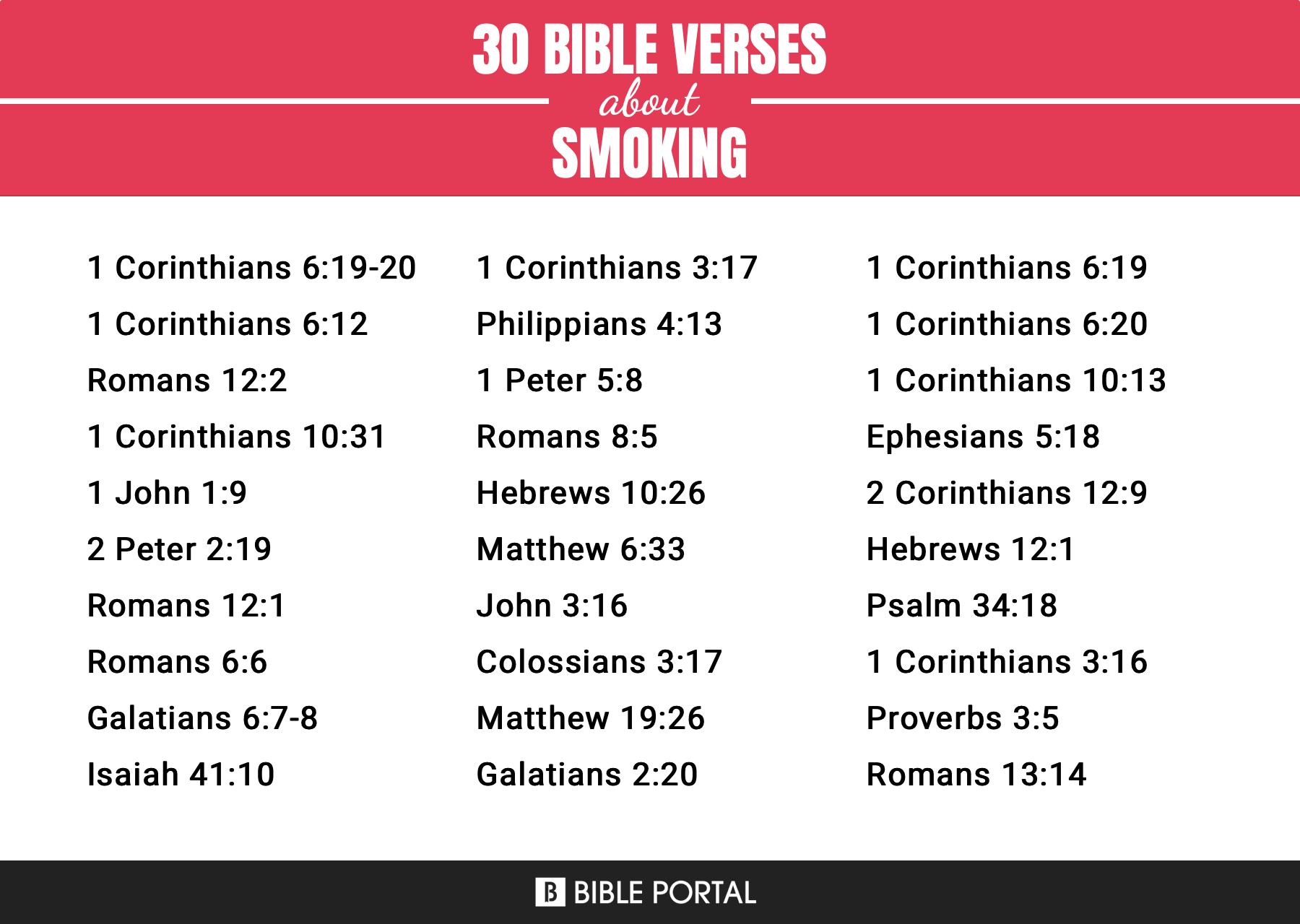
Fundamentally, the scriptures do not explicitly reference marijuana. The absence of direct mention invites a broader discourse on the principles of stewardship, moderation, and health that permeate biblical teachings. A critical aspect to ponder is the notion of the body as a temple, a powerful metaphor rooted in scripture. In 1 Corinthians 6:19-20, we are reminded, “Do you not know that your bodies are temples of the Holy Spirit, who is in you, whom you have received from God? You are not your own; you were bought at a price. Therefore honor God with your bodies.” This directive prompts individuals to contemplate their choices meticulously, including the substances they choose to ingest.
Moreover, we must examine the implications of legality and societal norms. Romans 13:1-2 advises citizens to submit to governing authorities, maintaining order within society. The increasing legality of marijuana across various jurisdictions invites believers to consider the role of the state in regulating substances. Questions arise: Does cannabis use align with or contravene biblical teachings on obeying the law? When state-sanctioned, does it open avenues for understanding and acceptance in the context of personal faith?
Another vital aspect of the discussion is the concept of moderation, rooted in Proverbs 20:1, which warns, “Wine is a mocker, strong drink is raging: and whosoever is deceived thereby is not wise.” The principle of moderation stands tall in the face of any substance use. The dialogue surrounding marijuana should encourage mindfulness, fostering a relationship built upon reason rather than reckless indulgence. Do followers of faith embrace cannabis recreationally or medicinally with a sense of balance, or do they risk succumbing to the pitfalls of excess?
Beyond personal consumption, there is also the community aspect to consider. Galatians 5:13 calls upon believers to “serve one another in love.” The choice to use cannabis, particularly in social settings, can carry repercussions. How does it affect relationships? Does it bring people closer together in harmony, or does it breed discord? The communal aspect of consumption should sparkle in the eye of every believer, weighing the ramifications of usage on fellowship and the spirit of unity celebrated within the faith.
Additionally, the emergent conversation around the use of cannabis for medicinal purposes invites a unique examination through the lens of compassion and healing. Jesus’ ministry was characterized by acts of healing and care for the marginalized. As medical marijuana gains recognition for various health conditions, it activates a potential paradigm shift amongst believers. Will the narrative surrounding cannabis morph from suspicion to one of understanding, compelling believers to champion compassionate use?
Lastly, the pursuit of wisdom encapsulated in Proverbs 3:5-6 provides a guiding compass: “Trust in the Lord with all your heart; and lean not unto your own understanding. In all thy ways acknowledge him, and he shall direct thy paths.” This passage encourages faithful adherents to seek divine guidance in their choices regarding marijuana. An individual journey toward enlightenment can yield insights and perhaps render transformative beliefs about consumption.
In conclusion, exploring what the Bible insinuates about smoking marijuana reveals an intricate tapestry woven with threads of responsibility, community, and moral introspection. The absence of direct scriptural instruction opens doors to broader contemplation, encouraging individuals to engage thoughtfully with this relevant issue in today’s society.

