

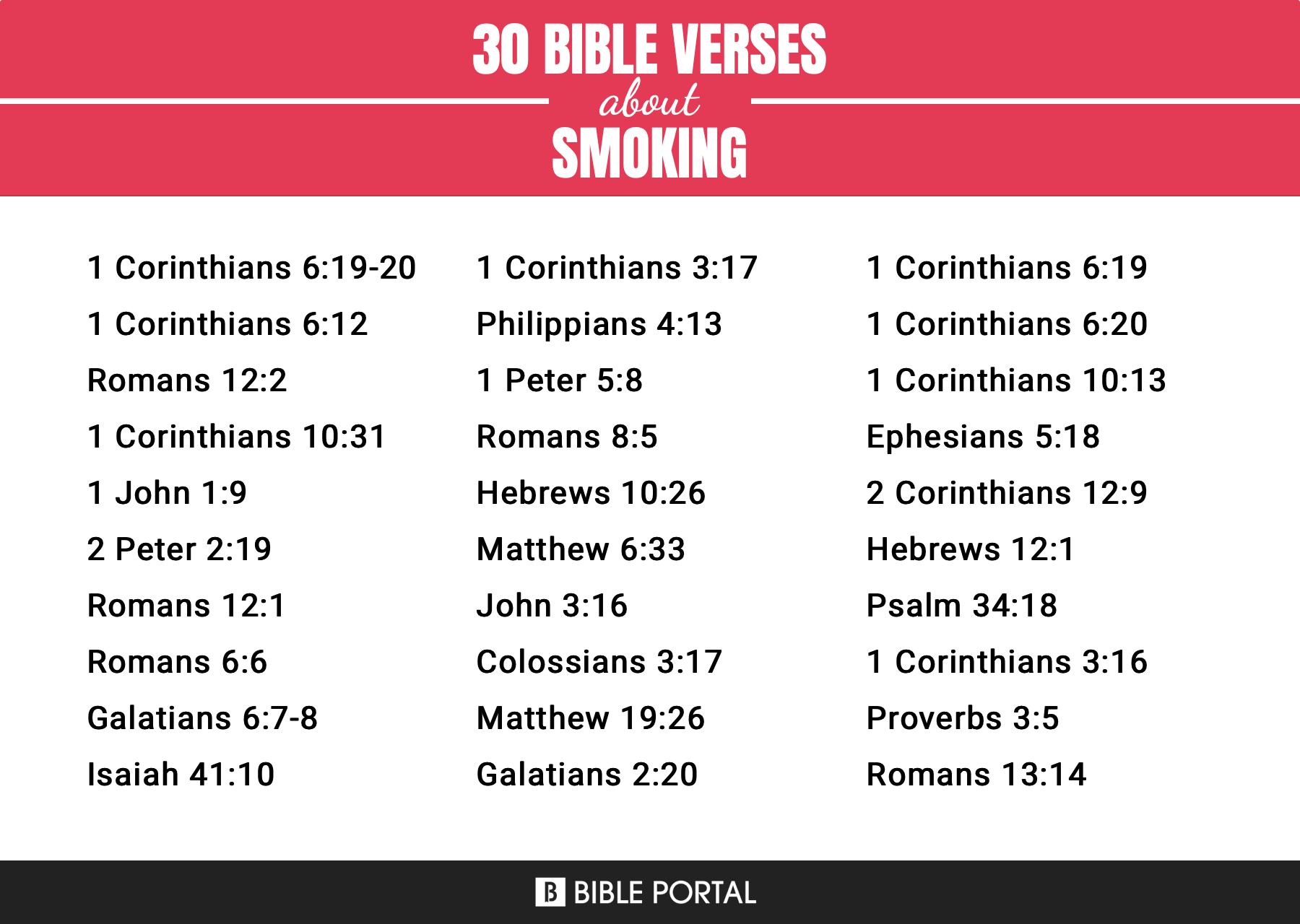
The multifaceted relationship between spirituality and substance use has pervaded human consciousness for centuries, culminating in intricate discussions around the topic of smoking pot. Often perceived through the prism of cultural, legal, and personal lenses, the inquiry of what the Bible articulates regarding the use of marijuana invites a deeper exploration. This is not merely an examination of ancient texts; it is an introspective journey into our beliefs, ethics, and the divine.
The Bible, a rich tapestry of allegorical narratives and moral exhortations, does not explicitly mention marijuana. However, the underlying principles elucidated within its verses provide a framework from which the modern reader can derive insights. Envision the vine, the cornerstone of biblical agriculture, often symbolizing life and abundance. Amidst this imagery, one might ponder whether the use of cannabis aligns with the divine intention for human flourishing.
One pertinent verse arises from Genesis 1:29, where it is stated, “And God said, ‘Behold, I have given you every herb bearing seed, which is upon the face of all the earth, and every tree, in the which is the fruit of a tree yielding seed; to you it shall be for meat.’” Herein lies an evocative metaphor; the herbage of the earth is bestowed as sustenance, inviting an exploration of herbal healing. Would it not be an inquiry of faith to consider whether God’s green resources, including marijuana, serve a purpose beyond mere recreation?
As we traverse the pages of Scripture, wisdom literature offers profound insights into moderation and temperance. Proverbs 20:1 penultimately cautions, “Wine is a mocker, strong drink is raging: and whosoever is deceived thereby is not wise.” While alcohol is the primary subject, one can perceive the broader message: substances can cloud judgment and disrupt the mind’s clarity. The essence revolves around the utilization of these resources—not in excess, but with mindfulness and an understanding of their effects on the soul.
Moreover, the New Testament exhorts believers to prioritize their bodies as temples of the Holy Spirit (1 Corinthians 6:19-20). This premise raises a compelling question: does smoking pot defile this sacred edifice? The discussion diverges into nuanced interpretations: while some individuals assert that cannabis, particularly in medicinal contexts, fosters physical healing and mental solace, others raise alarms about potential addiction and misuse. Each perspective caricatures a moral landscape that compels Christians to introspect and discern.
Furthermore, the cultural connotations of smoking pot cannot be dismissed. Cannabis has woven itself into the rituals of various societies, often serving as a tool for communion and creativity. The act of inhalation, a metaphor for aspiration, can enact a transcendent connection—a fleeting moment where the earthly realm briefly coincides with the divine. Could this not be a reflection of the divine purpose behind creation? Yet, the peril lies in the propensity for escapism marked by an unhealthy dependence on this earthly herb.
In the meticulous craft of interpretation, each believer may arrive at a distinct conclusion regarding smoking pot and its standing within their spiritual lives. It is imperative to discern personal convictions, engage in thoughtful dialogue with community, and seek divine guidance through prayer. In this contemplative endeavor, one teeters between freedom and responsibility, between enjoyment and reverence toward the Creator.
In summary, while the Bible does not explicitly condemn or condone smoking pot, it heralds principles of responsibility, moderation, and mindfulness. It invites a dialogue that celebrates the nuanced complexity of human experience and divine truth, as we grapple with the timeless question of how best to honor our bodies, our communities, and our relationship with the divine.

