

Superstition, with its ethereal threads woven into the fabric of human belief, often dances in the shadows of faith. The Bible, an ancient manuscript, provides a lens through which these ephemeral convictions can be examined. At its core, this sacred tome speaks not just of divine truths but also challenges the validity of superstitious beliefs that can obscure true faith.
Within the pages of scripture, we find numerous admonitions against the practice of divination and the reverence of talismans. The book of Deuteronomy articulates this with stark clarity, urging believers to shun sorcery and witchcraft, equating such acts to spiritual disobedience. This injunction serves as a poignant reminder that placing trust in omens or charms is akin to surrendering the soul’s compass to the whims of capricious fate. In one sense, the Bible elevates faith above the ephemeral, urging adherents to cultivate a relationship with the divine that is unwavering and steadfast.
As we delve deeper, one cannot overlook the poignant narratives that illustrate the folly of superstition. Consider the tale of Job, a man of unwavering faith, who confronted unimaginable suffering. Despite the onslaught of adversity, Job refrained from blaming external omens or attributing his plight to capricious superstitions. Instead, he held fast to his belief in God’s sovereignty. This narrative metamorphoses superstition from a source of power into a mere illusion, revealing the resilience of true faith amid turmoil.
Moreover, the New Testament furthers this discourse. The Apostle Paul explicitly denounces superstitious practices, arguing that genuine faith lies beyond the realm of signs and wonders. His assertion resonates through the ages, suggesting that when one engages in superstitions, they erect barriers that impede authentic communication with God. The faithful are beckoned to tread the path of certainty rather than gallivant through the labyrinth of uncertain beliefs. Superstition, then, can be portrayed as a mirage—distorting one’s perception of reality and leading them astray.
Additionally, the Bible emphasizes the transformative power of faith in stark contrast to the transient nature of superstitious beliefs. Jesus, through his miracles, invites us to understand that true manifestations of power are rooted in faith, not mere rituals or lucky charms. His admonition to “believe and not doubt” serves as a rallying cry, urging the faithful to transcend the limitations of superstition and embrace an existence characterized by conviction and certainty.
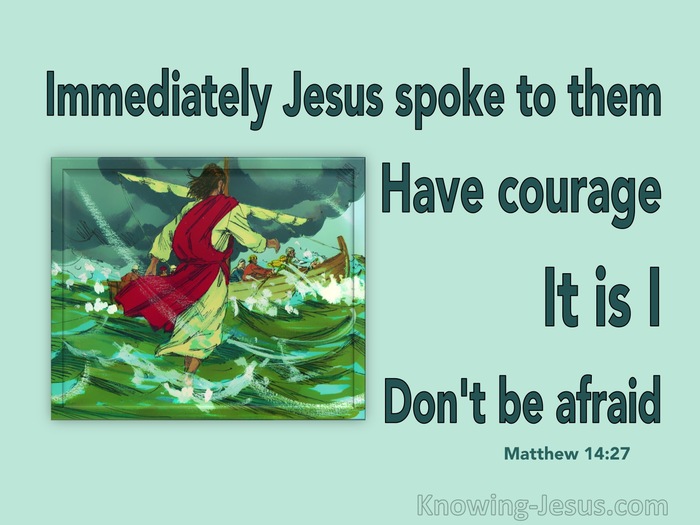
The metaphor of a ship lost at sea aptly captures the essence of superstitious beliefs. One may grasp at various talismans and rites like a mariner clutching at driftwood amidst a storm, seemingly offering salvation. Yet, true sanctuary lies in the fixed point of the divine—anchored in Scripture, where the surging tides of doubt can be calmed. Faith, unlike superstition, provides not only hope but also direction. Superstition, with its fickle nature, may flicker like a distant lighthouse, but it is faith that guides the ship safely to harbor.
In conclusion, the Bible’s discourse on superstitious beliefs transcends mere admonition; it invites believers into a profound relationship with the divine. It presents a life of faith that stands resilient against the gales of superstition, illuminating the path with clarity and purpose. Through narratives and teachings, it beckons the faithful to embrace a reality grounded in truth rather than shadows, for it is in the heart of unwavering faith that souls find ultimate solace.

