

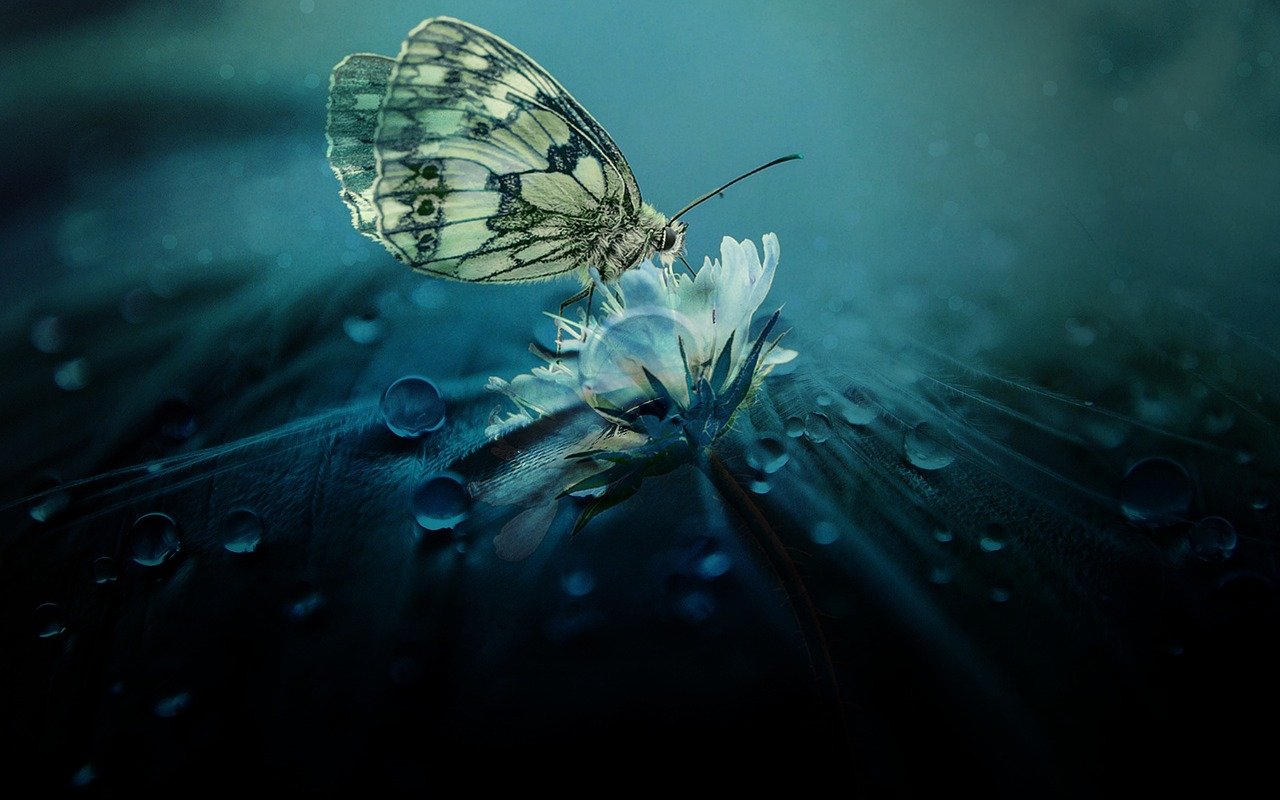
The butterfly, an ethereal creature often associated with transformation and beauty, carries profound significance within the context of biblical symbolism. Through the lens of Christianity, the butterfly may be interpreted as a representation of resurrection, hope, and the transformative power of faith. This article delves into the multifaceted meanings embedded in the butterfly’s symbolism as we explore various biblical narratives and themes that inform this delicate representation.
Firstly, the metamorphosis of a butterfly from a caterpillar to a magnificent being serves as an allegory for spiritual rebirth. This transformation parallels the resurrection of Jesus Christ, who triumphed over death, offering believers new life. In Romans 6:4, it is stated, “We were therefore buried with him through baptism into death in order that, just as Christ was raised from the dead through the glory of the Father, we too may live a new life.” Just as the caterpillar undergoes a profound change to emerge as a butterfly, so too does a Christian experience this spiritual rebirth upon embracing faith in Christ, emerging renewed and vital.
In addition to resurrection, butterflies evoke the essence of the soul’s journey. The ephemeral nature of a butterfly emphasizes the transient aspects of life on earth. In the biblical text of James 4:14, it poignantly states, “You are a mist that appears for a little while and then vanishes.” This fleeting quality echoes the butterfly’s brief existence, reminding believers to cherish their time in this world, cultivate their faith, and strive for an eternal legacy. The butterfly thus symbolizes the delicate balance between the temporal and the eternal, encouraging Christians to look towards the everlasting promises of God.
Moreover, the visually stunning appearance of butterflies rich in color can also symbolize the joy and beauty found in a life led by faith. Galatians 5:22-23 speaks of the “fruit of the Spirit,” which includes love, joy, peace, and kindness. Just as butterflies captivate the eye, a life attuned to the values espoused by these fruits radiates an intrinsic beauty that can touch the lives of others. The vibrant hues of a butterfly can be seen as a reflection of hope and the joy that springs forth from a relationship with God, reinforcing the notion that spirituality can illuminate even the darkest corners of our existence.
The butterfly’s journey also serves as a metaphor for perseverance in the face of adversity. Much like the struggle the caterpillar endures within its chrysalis, believers are often required to confront trials and tribulations. James 1:2-4 encourages followers to “consider it pure joy…whenever you face trials of many kinds.” This notion aligns with the concept that through challenges, one can emerge stronger and more resilient, akin to a butterfly finally breaking free to soar into the sky. In this light, the butterfly not only symbolizes transformation but also resilience and tenacity, underscoring the message that through faith, one can triumph over life’s challenges.
In a broader context, the biblical imagery of butterflies can also serve as a reminder of God’s creation and the profound interconnectedness of life. In Psalm 104:24-25, the psalmist marvels at the wonders of creation, which includes these splendid creatures. The intricate design and flight of butterflies remind humanity of the artistry and intentionality of God’s handiwork, nudging believers to appreciate the world around them and to acknowledge the divine presence in all living things.
In conclusion, the butterfly stands as a rich symbol within the biblical narrative, encompassing themes of transformation, renewal, beauty, perseverance, and divine creation. For believers, the delicate butterfly is not merely a creature of the earth but a vivid emblem of spiritual awakening and hope. Through understanding these symbols, one can glean profound insights into the nature of faith and the divine workings in the lives of believers, beckoning them to embrace the wondrous journey of life in its fullest form.

