

The study of biblical symbolism presents a captivating tapestry of meanings and insights, each thread woven with intentionality and depth. Among the diverse array of symbols found in the Scriptures, the donkey emerges as a compelling figure, embodying much more than mere beast of burden. To appreciate the multifaceted significance of the donkey in the Bible, one must embark on a journey through ancient narratives, cultural contexts, and spiritual lessons.
To begin with, the early passages of the Bible introduce the donkey as a humble yet integral companion in the lives of the patriarchs. In the Book of Genesis, we encounter various instances where donkeys facilitate pivotal moments in the narratives. Abraham sent his servant to procure a bride for Isaac, and the journey was marked by the steadfast nature of the donkey, symbolizing fidelity and trust. This foundational role underscores the donkey’s association with service and dedication, prompting readers to ponder how these attributes resonate in their own lives.
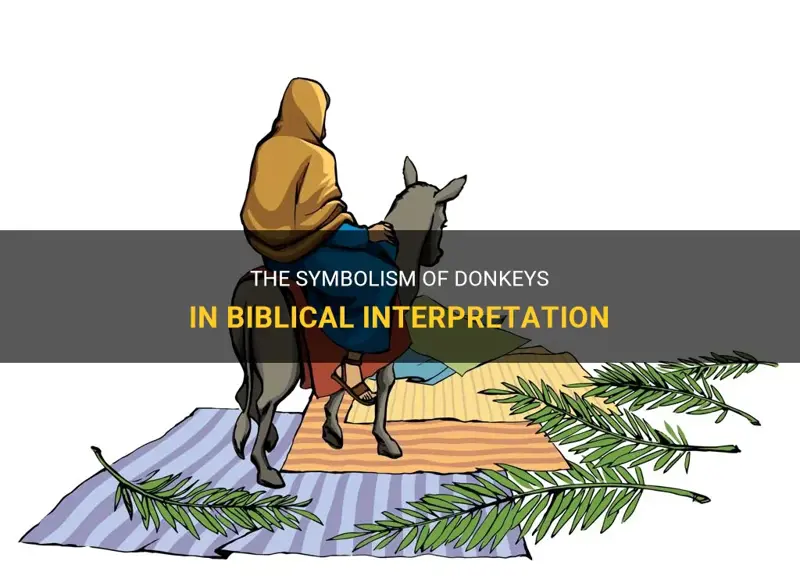
Delving deeper into scripture, the donkey assumes a rich representation of humility juxtaposed against nobility. The prophetic imagery surrounding the arrival of Jesus into Jerusalem captures this duality brilliantly. Riding a donkey, as foretold in Zechariah 9:9, Jesus epitomizes the concept of a peaceful king, contrasting sharply with the regal yet aggressive stallions often associated with conquest. This choice of transport invites reflection on the nature of leadership, prompting believers to consider the transformative power of humility and gentleness in a world often dominated by pride and aggression.
A notable incident involving a donkey unfolds in the story of Balaam, where a seemingly mundane creature plays a pivotal role in divine intervention. Balaam’s donkey, endowed with the capacity to see beyond the physical realm, becomes a profound messenger of God. This narrative not only illuminates the capacity for animals and the least likely of servants to convey wisdom but also challenges the reader to explore the notion of divine guidance in unexpected places. Could it be that we overlook the subtle nudges of wisdom offered through our daily lives?
The symbolism of the donkey extends into themes of burden and alleviation. In Matthew 11:28-30, the message of Christ resonates deeply with the imagery of rest and relief from burdens. The imagery of Jesus inviting the weary to find solace in Him may draw parallels with the donkey’s enduring spirit, carrying loads yet gracefully navigating the terrain of life’s challenges. This invocation prompts contemplation of one’s personal burdens and the sources of solace available in times of distress.
Throughout the Scriptures, the donkey represents a profound confluence of humility, service, and prophetic fulfillment, inviting readers to expand their theological lenses. This seemingly unassuming animal encapsulates lessons about leadership, the divine workings of the everyday, and the essence of burdens in the human experience. As we traverse faith narratives, recognizing the symbolic weight of the donkey compels us to engage in a deeper appreciation of the small yet significant elements of our spiritual journey.
Ultimately, the donkey in biblical context beckons us to reconsider the overlooked and the humble aspects of life that may, in fact, be conduits of great significance. Could it be that the answers we seek lie within the narratives of the everyday? This shift in perspective challenges us to remain curious, attentive, and open to the myriad ways through which wisdom and understanding may manifest in our lives.

