

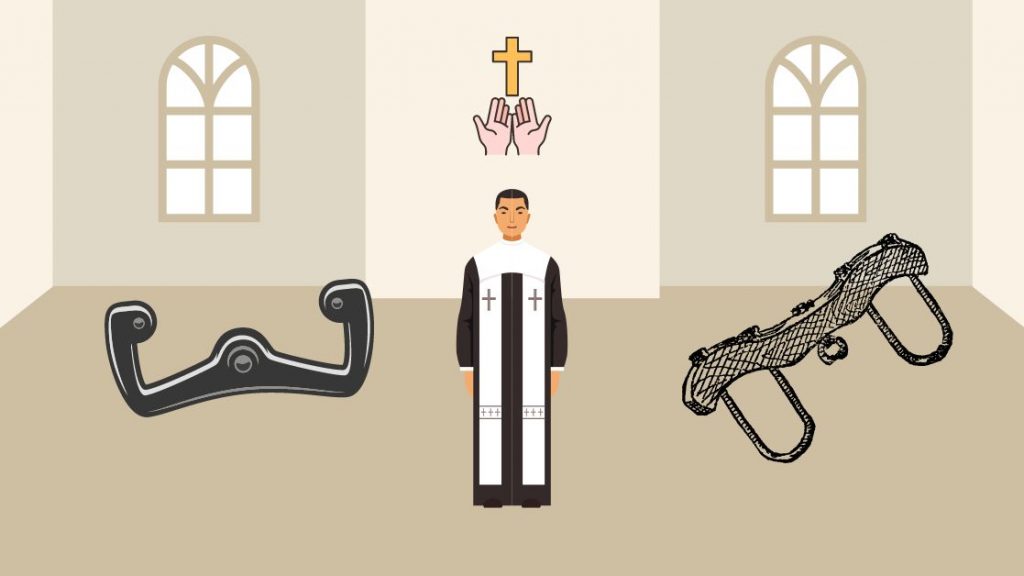
The yoke, a seemingly innocuous implement traditionally associated with agricultural practices, transcends mere functionality in its biblical context. What does it mean to be “yoked” in spiritual terms? Is it a metaphor for bondage, or might it actually suggest a deeper union with divine purpose? These questions offer a compelling challenge to ponder.
In the ancient world, a yoke served as a wooden beam connecting pairs of oxen, enabling them to work together harmoniously in plowing fields. The symbolism of such an instrument is profound in its implications for human life and our relationship with God. A yoke, in biblical literature, can represent the burden of law, the weight of sin, or the blessings of alignment with Christ.
One of the most cited references comes from Matthew 11:28-30, where Jesus invites the weary and burdened to come to Him. “Take My yoke upon you,” He proclaims, “for My yoke is easy and My burden is light.” In this context, the yoke transforms into a symbol of discipleship, suggesting that rather than burdensome laws and regulations, what is required is a deeper relational synergy with Him. But do we dare to lift such an inviting yoke?
The Apostle Paul further elucidates the concept in Galatians 5:1, which stresses freedom from the bondage of the law. Here, the yoke represents the weight of legalism that sometimes ensnares believers. Paul’s assertion encourages a life of grace, inviting reflection on what it means to walk in the liberty of faith rather than in the stringent constructs of ritual. Are we carrying burdens not meant for us?
Contrasting the freedom found in Christ with the oppressive yokes of the past raises a provocative question: Are we aware of the yokes we freely choose to wear today? Many modern believers find themselves shackled, whether through unhealthy relationships, societal expectations, or personal ambitions that pull them away from their genuine calling. The spiritual yoke invites an examination of how ones’ life choices reflect either a commitment to God’s guidance or a capitulation to external pressures.
Furthermore, the yoke also emphasizes partnership. When oxen are yoked together, they each contribute to the labor, sharing the weight of their responsibilities. Similarly, believers are called to be partners in Christ’s work, uniting in fellowship and purpose. This interplay of shared burdens and collaborative efforts forms a tapestry of community, illustrating how believers can support one another in their spiritual journeys. Are we actively participating in this divine partnership?
Ultimately, the metaphor of the yoke calls attention to the choices we make in our spiritual lives. It urges us to seek alignment with God’s will and invites us to relinquish burdens that do not serve our authentic selves. What do we hold onto tightly that may not be designed for us?
Embracing the yoke of Christ means relinquishing the weight of worldly obligations that pull us into despair. It calls for courage to accept a yoke that may reshape our entire being, leading to a life marked by ease and fulfillment through communion with the Savior. As we traverse the intricate paths of faith, we are reminded that true fulfillment lies not in autonomy but in divine companionship. Are we ready to embrace this transformative yoke?
In summary, the yoke within the biblical narrative serves as a multi-faceted symbol, suggesting both divine invitation and a call to introspection. It beckons believers to discern the yokes they bear and encourages them to embrace a partnership that promotes freedom, purpose, and community. Ultimately, it challenges one to consider: what kind of burden are we willing to carry in our pursuit of spiritual harmony?

