

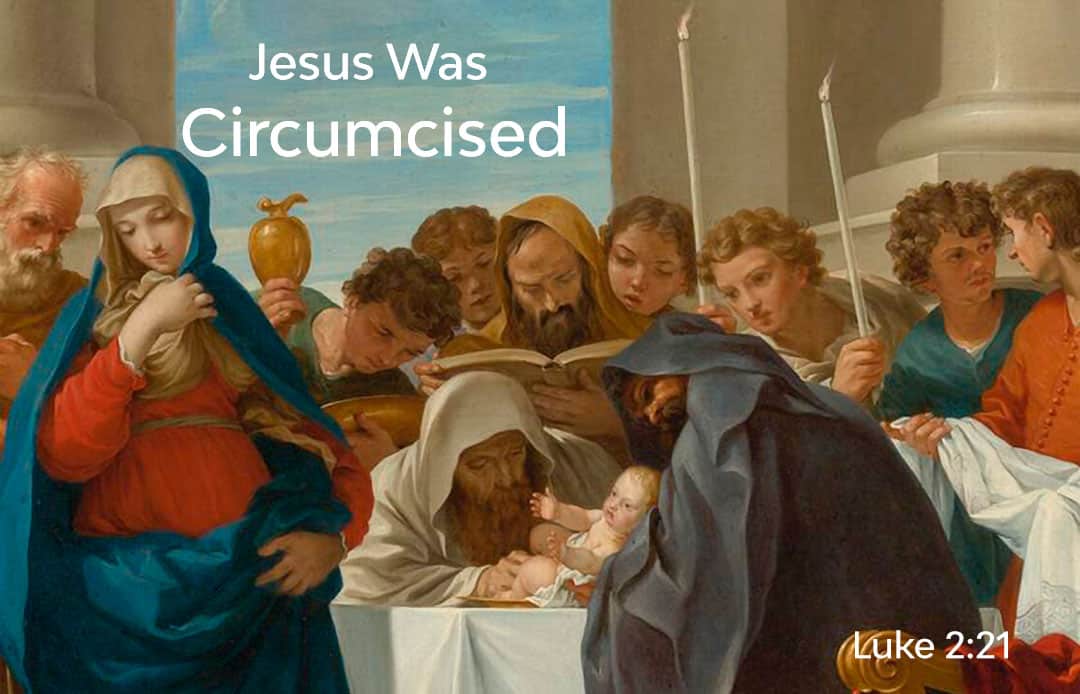
The term “uncircumcised” often evokes visceral reactions and complex interpretations within the tapestry of biblical literature. In the ancient world, the practice of circumcision was not merely a physical rite but a profound symbol imbued with spiritual and cultural significance. Within the Bible, this concept is woven intricately into narratives, laws, and theological discourse, revealing a rich tapestry that challenges modern readers to fathom its depths.
At its core, the act of circumcision was a covenantal rite established by God as a sign of His everlasting promise to Abraham and his descendants. It delineated the Israelites as a people set apart, chosen to exhibit their devotion and fidelity to the divine. In this light, “uncircumcised” becomes a metaphorical designation—representing not just a lack of physical alteration but also a deficiency in spiritual alignment and covenantal obedience. As the Israelites journeyed through the wilderness, the label of “uncircumcised” presaged moral and spiritual disarray, indicative of a nation grappling with its identity and purpose.
Furthermore, the notion of circumcision transcends the physical realm, symbolizing an inner transformation requisite for a genuine relationship with the Divine. The prophets, especially Jeremiah and Ezekiel, delved into this duality, urging a circumcision of the heart rather than merely the flesh. Such calls for internal renewal underscore a pivotal theme in biblical theology: true fidelity to God is manifested not solely through external observances but through an authentic and profound internal commitment. Metaphorically, the “heart” serves as the crucible where divine truths are either embraced or rejected.
In the annals of biblical history, the Philistines stood as a glaring epitome of the “uncircumcised,” often cast as antithetical to the covenantal people of Israel. The archetypal conflict between David and Goliath showcases this symbolic struggle: Goliath, the formidable champion of the Philistines, albeit physically imposing, is ensconced in the realm of the uncircumcised. This portrayal is not merely about physical domination; it represents a cosmic battle between opposing spiritual ideologies. David’s victorious emergence from this clash drew attention to the folly of relying solely on human might, instead affirming the sovereignty of God in the face of immense adversity.
The New Testament introduces a radical reconfiguration of the understanding of circumcision. Paul, in his epistles, argued that faith supersedes cultural markers such as circumcision, inviting the Gentiles into the fold of divine grace without the necessity of the physical rite. This theological pivot illuminates the expansive inclusivity of early Christianity, where the terms “circumcised” and “uncircumcised” shifted from ethnic and religious delineations to realms of belief and faithfulness. The overarching narrative becomes one of embracing unity amidst diversity, drawing in individuals from myriad backgrounds while inviting them to partake in the transformative grace of God.
Thus, the term “uncircumcised” pulsates with multifaceted meanings, embodying the dichotomy between external adherence to law and internal authenticity of faith. It encapsulates the plight of humanity navigating the intricate landscapes of sin, redemption, and divine grace. As our understanding of these ancient truths deepens, we uncover the perennial relevance of this biblical designation, beckoning us all to cultivate hearts attuned to divine whispers, irrespective of our historical or cultural origins. In embracing this metaphor, we transcend the archaic contours of past definitions, allowing the timeless truths to resonate with our contemporary quests for identity and belonging within the vast narrative of humanity.

