

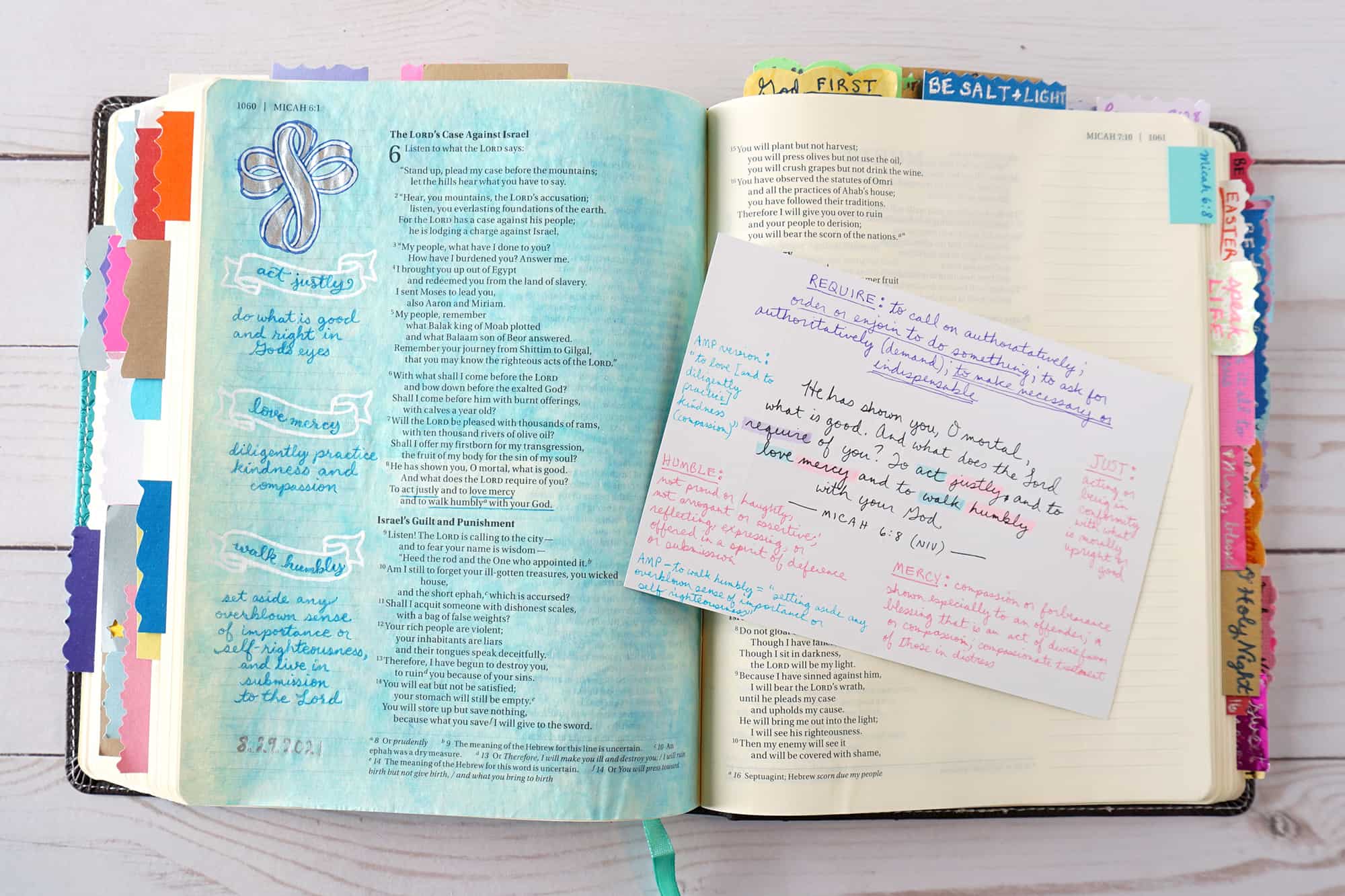
Bible journaling is a deeply personal and creative practice that combines the spiritual discipline of engaging with Scripture and the artistic expression of creativity. This multifaceted endeavor offers a unique avenue for individuals to meditate on biblical texts, allowing them to explore various forms of content while enriching their faith journey.
At its core, Bible journaling is more than mere note-taking; it intertwines art, writing, and spirituality into a cohesive and engaging experience. Participants often begin by selecting a particular passage or verse that resonates with them. This selection may be inspired by personal experiences, theological contemplation, or community discussions. Once a passage is chosen, the real journey commences, guiding individuals through an array of creative avenues.
One prevalent format within Bible journaling is the use of visual art. This may include illustration, painting, or mixed media collages. Utilizing a range of materials—from watercolors to colored pencils—journals become a vibrant tapestry of visual responses to specific scriptural messages. Many journaling practitioners create imagery that reflects their interpretation of the text, incorporating symbols and motifs that resonate deeply with their faith. For instance, depicting a shepherd for the Psalm 23 verse evokes feelings of guidance and protection.
Another engaging element of Bible journaling is creative lettering and typography. Beautifully crafted letters not only enhance the aesthetic appeal of the pages but also serve as a meditative practice in itself. Calligraphy and hand-lettering allow for the scribing of verses in a way that invites contemplation. The fluid motion of writing can mirror the reflective process of internalizing scripture, turning the act of writing into an art form that celebrates the Word.
Bible journaling also encourages the integration of personal reflections, prayers, and insights. Many individuals opt to incorporate journaling prompts or guided entries that provoke thought and introspection. These entries serve as a forum for expressing gratitude, detailing struggles, or exploring questions about faith. By documenting such reflections, journaling becomes a historical record of a spiritual journey, capturing the ebb and flow of commitment and understanding over time.
Furthermore, the practice can benefit from incorporating various types of decorative elements, such as stickers, washi tape, and stencils. These embellishments may not only accentuate the visual storytelling but also add layers of meaning to the pages. Each decorative choice serves as a tactile reminder of the emotions and inspiration at play within one’s spiritual life. They often reflect the personal style of the writer while enhancing the overall experience of Bible journaling.
Many enthusiasts benefit from community involvement, sharing their journaling techniques and insights with peers through workshops, social media platforms, and blogs. These communal exchanges provide a wealth of resources, including tutorial videos, tips for beginners, and inspiration from fellow artists. By engaging with a community of like-minded individuals, the journey of Bible journaling can become a collaborative and enriching experience.
In essence, Bible journaling is a transformative exercise that encourages creativity and spiritual growth in equal measure. Through a variety of artistic expressions, personal reflections, and community interactions, practitioners cultivate a nuanced understanding of faith. This increasingly popular form of expression does more than adorn the pages of a Bible; it breathes life into the practice of devotion, bridging the realms of art and spirituality.

