

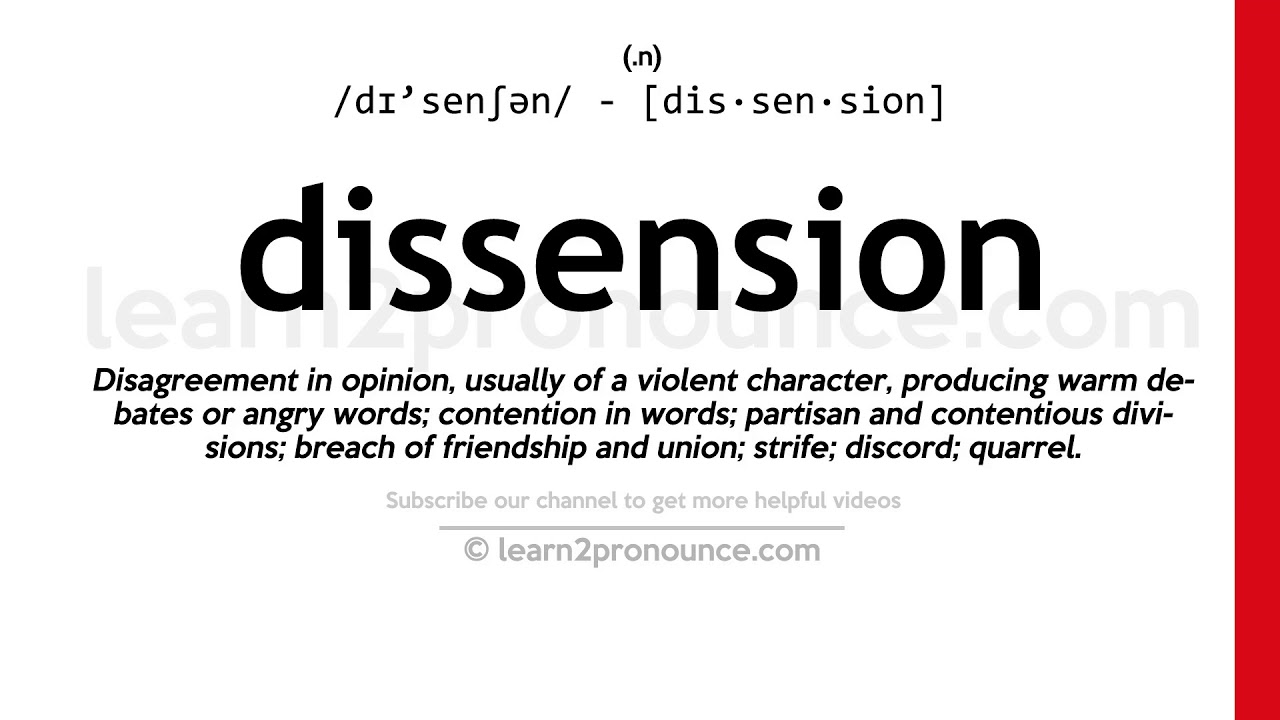
In the intricate tapestry of Biblical teachings, the concept of dissensions emerges as a profound and multifaceted theme. Defined broadly, dissensions refer to disagreements or disputes that arise among individuals, often leading to discord and strife. The Bible offers various explicit references and implicit lessons concerning this subject, revealing the implications of dissensions on personal relationships, community integrity, and spiritual well-being.
The term “dissensions” is prominently featured in the New Testament, particularly within the Epistles. It is often categorized among the “works of the flesh,” a list presented by the Apostle Paul in Galatians 5:19-21. Here, dissensions are illustrated as obstacles to achieving communal harmony and spiritual fulfillment. The Greek word used, “dichostasia”, conveys a sense of division and conflict, emphasizing the disruptive effects that such disagreements can have on the body of Christ—the Church.
One of the most prevalent types of dissensions highlighted in Biblical scripture involves doctrinal disputes. These disagreements often arise from varying interpretations of theological principles. For example, the early Church grappled with contentious debates regarding circumcision and adherence to Jewish law, illustrated poignantly in the Jerusalem Council described in Acts 15. The resolution of these doctrinal divisions through dialogue and consensus underscores the importance of unity amid diversity in belief.
Beyond doctrinal disputes, personal conflicts also manifest as dissensions within Biblical narratives. The accounts of Paul and Barnabas provide a vivid illustration of this. Their disagreement over John Mark’s involvement in missionary work resulted in a significant rift, ultimately leading to their separation. This narrative serves to remind readers that even the most diligent servants of God are susceptible to human quarrels, highlighting the folly of pride and the necessity for humility in resolving conflicts.
Moreover, the Old Testament offers various insights into the nature of dissensions. The saga of David and Absalom is notoriously emblematic of familial dissension. Absalom’s rebellion against his father King David not only depicted a toxic rift but also showcased the catastrophic ramifications of unresolved grievances and power struggles. The aftermath of this conflict is a sober reminder of how personal animosities can spiral into significant discord impacting communities at large.
In addressing dissensions, Biblical wisdom encourages the pursuit of reconciliation and peace. The teachings of Jesus in the Gospels advocate for conflict resolution through humility, empathy, and open dialogue. In Matthew 18:15-17, Jesus outlines a process for addressing grievances directly with the offending party, urging believers to prioritize restoration over animosity. This model serves not only to mend broken relationships but also to fortify the community against future discord.
In contemporary contexts, the lessons gleaned from Biblical dissensions remain relevant. Issues of division manifest in various forms—including theological schisms, cultural disagreements, and personal conflicts—within congregations today. It is crucial for faith communities to cultivate an ethos of understanding and collaboration, drawing wisdom from scriptural teachings to navigate the complexities of internal disputes.
Ultimately, the examination of dissensions in the Bible implores individuals to reflect on their own interpersonal dynamics. It serves as a potent reminder that while differences are inevitable, the manner in which they are addressed can either uplift or tarnish the sanctity of community life. With a commitment to fostering unity and embracing dialogue, believers can transform dissensions from sources of division into opportunities for growth and deeper relational authenticity.

